




Crush Your USA Road Trip Dreams Without Crushing Your Wallet
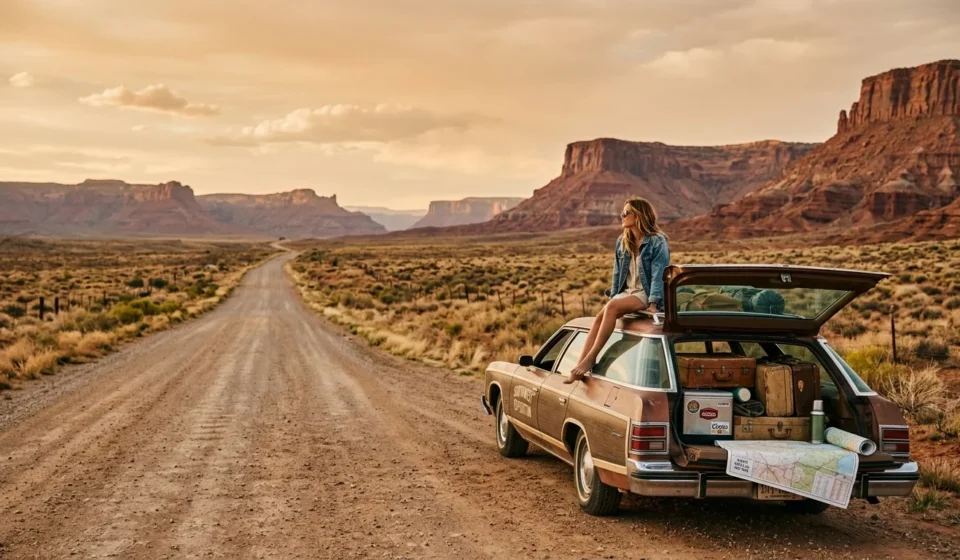
The open road, endless horizons, and the promise of discovery – a cross-country road trip through the United States is a quintessential adventure. But let’s be honest, the thought of budgeting for gas, accommodation, food, and attractions across thousands of miles can feel daunting. I’ve logged countless miles across this incredible country, from bustling cityscapes to remote desert trails, often on a shoestring budget. And I’m here to tell you: an unforgettable, budget-friendly US road trip is absolutely within reach, no matter your experience level.
Table Of Content
- Crush Your USA Road Trip Dreams Without Crushing Your Wallet
- The Blueprint: Smart Planning & Mindset for Your Budget Adventure
- Timing is Everything: Embrace the Shoulder Season
- Realistic Budgeting: What to Expect Daily
- Route & Duration: Embrace Slow Travel
- Mastering the Art of Budget-Friendly Road Travel
- Cheap Accommodation USA: Your Best Bets
- Fueling Up & Eating Smart
- Activities & Attractions: National Parks & Free Fun
- On the Road: Logistics, Safety & Local Immersion
- Navigation & Connectivity
- Packing Smart for the Open Road
- Safety & Cultural Etiquette
- Sustainable Travel Practices
- Beyond the Obvious: Hidden Gems USA Examples
- Your Adventure Awaits!
- Frequently Asked Questions
- What is the best time to travel for a budget-friendly US road trip?
- How can I save money on accommodation during my US road trip?
- What is a realistic daily budget for a US road trip?
- How long should my US road trip be to avoid burnout and overspending?
- What are some benefits of slow travel during a US road trip?
Forget generic “top 10” lists. This isn’t about cutting corners on experiences; it’s about smart planning, savvy choices, and knowing where to find the magic without overspending. We’re going to dive deep into how to plan your itinerary, manage your finances, find local gems, and travel responsibly, ensuring you get the most out of your adventure. Let’s hit the road!
The Blueprint: Smart Planning & Mindset for Your Budget Adventure
Before you even think about packing, the most critical step is laying down a solid road trip planning blueprint. This is where you set the stage for success, both financially and experientially. It’s not about rigid adherence, but about having a framework that guides your decisions.
Timing is Everything: Embrace the Shoulder Season
Choosing the right time to travel can save you hundreds, if not thousands, of dollars. My golden rule for budget travel USA is to target the shoulder season. This refers to the travel periods just before or after the peak tourist season. In the US, this generally means April-May and September-October. You’ll encounter fewer crowds, more moderate weather (avoiding extreme summer heat or winter cold), and significantly lower prices on accommodation, car rentals, and even some activities. For example, lodging near popular national parks like Zion or the Grand Canyon can be half the price in October compared to July.
Realistic Budgeting: What to Expect Daily
Let’s talk numbers. A USA road trip budget can vary wildly, but for an individual or a couple committed to frugality, here’s a realistic breakdown per person per day:
- Accommodation: $20-40 (camping, hostels, budget motels, dispersed camping)
- Food: $20-30 (groceries, cooking, occasional cheap eat)
- Fuel/Transport: $15-25 (shared costs for fuel, car maintenance fund)
- Activities/Miscellaneous: $10-20 (national park fees, small attractions, buffer)
This puts a comfortable daily budget at around $65-115 per person. To be fair, this requires active effort to save, but it’s completely achievable. For a more relaxed experience, aim for $120-150. Remember, these are averages; some days will be cheaper (free camping!), some more expensive (a splurge meal).
Route & Duration: Embrace Slow Travel
Don’t try to see the entire country in two weeks. That’s a recipe for burnout and overspending. Instead, focus on a region or a specific theme (e.g., National Parks of the Southwest, East Coast history). Slow travel means taking your time in each destination, getting to know it deeper, and reducing the stress and cost of constant movement. For a comprehensive cross-country trip (e.g., coast-to-coast), I’d recommend a minimum of 3-4 weeks. If you have only 2 weeks, pick one region, like the Pacific Northwest or the Rocky Mountains, and explore it thoroughly. This also allows for flexibility, which is crucial for finding spontaneous budget opportunities.
Mastering the Art of Budget-Friendly Road Travel
Now that your blueprint is in place, let’s talk about the practical strategies to keep those costs down on the ground. This is where experience truly pays off, and I’ve got some tried-and-true tactics for you.
Cheap Accommodation USA: Your Best Bets
Accommodation is often the biggest expense. Here’s how to slash it:
- Camping: This is your ultimate budget hack. National Park Service campgrounds (reservations essential for popular spots, often $20-35/night) and State Parks ($15-40/night) offer incredible value. For truly free stays, look into dispersed camping on Bureau of Land Management (BLM) land or in National Forests. Dispersed camping means camping outside of designated campgrounds, often with no facilities, but it’s free and offers solitude. Apps like iOverlander or websites like FreeCampsites.net are invaluable resources. For example, I’ve often found fantastic free spots in the Dixie National Forest (general coordinates: 37.6000° N, 112.1800° W) when exploring near Bryce Canyon, saving me $30-40 a night.
- Hostels: Great for solo travelers or couples, especially in cities. Expect $25-50/night for a dorm bed, sometimes private rooms are available for $60-100. They often have shared kitchens, too!
- Budget Motels: Chains like Motel 6, Super 8, or independent motels, especially off major highways, can offer rooms for $60-90/night in shoulder season. Always check reviews, though!
- Car Camping: If your vehicle allows, sleeping in your car (safely and legally!) can eliminate accommodation costs entirely. Many Walmart parking lots allow overnight stays, but always confirm with store management.
Fueling Up & Eating Smart
Gas is another major expense. Use apps like GasBuddy to find the cheapest fuel along your route. Vehicle maintenance before you go is also key – a breakdown is far more expensive than a pre-trip oil change and tire check. As for food, the biggest saver is to cook your own meals. Pack a cooler (electric ones are game-changers!), a portable stove, and basic cooking supplies. Stock up at grocery stores like Walmart, Aldi, or local markets. Picnics at scenic overlooks become gourmet experiences. Limit restaurant meals to once every few days, opting for local diners or food trucks for a more authentic, cheaper experience than chain restaurants.
Honestly, I’ve eaten some of my best road trip meals cooking pasta by a lake or grilling burgers at a campsite, far from any expensive restaurant. It’s part of the adventure!
Activities & Attractions: National Parks & Free Fun
The USA’s greatest treasures are often its natural ones. An America the Beautiful Pass ($80/year) grants you access to all National Parks and federal recreation sites for a full year. If you plan to visit three or more parks, it pays for itself. Beyond that, seek out free activities: hiking state park trails (many have no entrance fee), exploring charming small towns, visiting free museums, or simply enjoying scenic drives. Many cities offer free walking tours or have free attractions. Don’t underestimate the joy of a simple sunset or stargazing in a remote area – those experiences are priceless.
On the Road: Logistics, Safety & Local Immersion
So far we’ve covered the crucial planning and budgeting. Now let’s get to the really critical point: staying safe, navigating effectively, and truly experiencing the soul of America.
Navigation & Connectivity
While Google Maps is fantastic, cell service can be spotty in remote areas. Download offline maps (Google Maps, Maps.me, or Gaia GPS) for your entire route. A physical map is also a great backup. Invest in a car charger for your devices. Honestly, getting a little lost can sometimes lead to the best discoveries, but not when you’re low on fuel and daylight!
Packing Smart for the Open Road
Less is more. Pack versatile layers, as temperatures can fluctuate dramatically across regions and even within a single day. Think quick-dry clothing, a good pair of hiking shoes, and basic toiletries. Don’t forget an emergency kit for your car: jumper cables, a first-aid kit, a flashlight, water, and some non-perishable food. In my opinion, a small cooler and a refillable water bottle are essential.
Safety & Cultural Etiquette
Always let someone know your general itinerary. Be aware of your surroundings, especially when camping alone. Don’t leave valuables visible in your car. When interacting with locals, remember that the US is incredibly diverse. Cultural etiquette varies from region to region – a friendly wave in the Midwest might be different from city interactions on the East Coast. Generally, a polite attitude, respectful curiosity, and a willingness to listen will serve you well.
For example, imagine this situation: you’re driving through a small town in the South and see a local festival. Instead of just observing from afar, pull over, ask a local about it, and you might find yourself invited to sample some amazing homemade pie. These are the moments that truly enrich your journey.
Sustainable Travel Practices
The beauty of the US is a privilege. Practice Leave No Trace principles: pack out everything you pack in, dispose of waste properly, respect wildlife, and stay on designated trails. Use reusable water bottles and coffee cups. Support local businesses that prioritize sustainability. Our collective actions ensure these incredible places remain for future wanderers.
Beyond the Obvious: Hidden Gems USA Examples
To truly experience America on a budget and avoid tourist traps, you need to go beyond the postcard views. Look for state parks instead of just national parks, explore small towns, and embrace local eateries.
- Accommodation Example: Instead of pricey hotels in downtown New Orleans, consider a charming Airbnb or guest house in the Bywater neighborhood for around $70-90/night (shoulder season), offering a more authentic feel and often a kitchen. Or, when near the Grand Canyon, explore campgrounds in Kaibab National Forest (general coordinates: 36.1600° N, 112.1300° W) for cheaper alternatives to the park’s own crowded sites.
- Food Example: Skip the chain restaurants. In Austin, TX, explore the food truck scene for incredible, cheap eats (e.g., Torchy’s Tacos, various trucks on South Congress for under $15 a meal). In the Pacific Northwest, look for local farmer’s markets for fresh produce to cook yourself.
- Activity Example: Instead of only visiting Yellowstone, explore the lesser-known but equally stunning Grand Teton National Park (just south of Yellowstone) for equally dramatic scenery with fewer crowds, especially in the shoulder season. Or, for a true hidden gem, check out the Valley of Fire State Park in Nevada, just an hour from Las Vegas. Its fiery red Aztec sandstone outcrops are mesmerizing, and it costs a fraction of what you’d spend on a show in Vegas (entrance fee ~$10-15 per vehicle).
Your Adventure Awaits!
Planning a budget-friendly road trip across the US isn’t just about saving money; it’s about unlocking a different, often more authentic, way to travel. It’s about the freedom of the open road, the unexpected discoveries, and the memories forged by smart choices and a spirit of adventure. By embracing the shoulder season, getting creative with accommodation and food, and seeking out the natural wonders and local experiences, you’re not just taking a trip; you’re crafting an unforgettable journey.
So, what are you waiting for? Grab your maps, pack your bags, and start dreaming up your perfect USA road trip. The American road is calling, and with these tips from Destination Wanderer, you’re ready to answer.
Frequently Asked Questions
What is the best time to travel for a budget-friendly US road trip?
The best time to travel for a budget-friendly US road trip is during the shoulder season, which refers to the travel periods just before or after the peak tourist season. This generally means April-May and September-October, when you'll encounter fewer crowds, more moderate weather, and significantly lower prices on accommodation, car rentals, and activities.
How can I save money on accommodation during my US road trip?
One of the best ways to save money on accommodation during your US road trip is to consider camping, which is a great budget hack. You can also look into budget motels, hostels, and dispersed camping options. Additionally, lodging prices can be significantly lower during the shoulder season, so it's worth planning your trip accordingly.
What is a realistic daily budget for a US road trip?
A realistic daily budget for a US road trip can vary, but for an individual or a couple committed to frugality, a comfortable daily budget is around $65-115 per person. This includes costs for accommodation, food, fuel, and activities. However, this requires active effort to save and be mindful of expenses, and some days may be cheaper or more expensive than others.
How long should my US road trip be to avoid burnout and overspending?
To avoid burnout and overspending, it's recommended to focus on a specific region or theme for your US road trip, rather than trying to see the entire country in a short amount of time. For a comprehensive cross-country trip, a minimum of 3-4 weeks is recommended, while 2 weeks is better suited for exploring a single region, such as the Pacific Northwest or the Rocky Mountains.
What are some benefits of slow travel during a US road trip?
Slow travel during a US road trip allows you to take your time in each destination, get to know it deeper, and reduce the stress and cost of constant movement. This approach also provides flexibility, which is crucial for finding spontaneous budget opportunities and making the most of your adventure. By slowing down, you can have a more immersive and enjoyable experience, without breaking the bank.