Welcome to the Culinary Heart of the North: Why Northern Thailand's Street Food is a Must-Experience
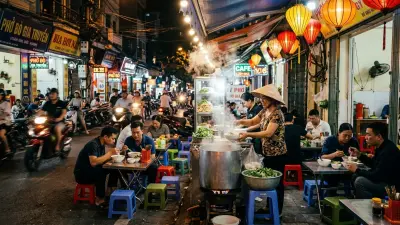
Picture this: you’ve just spent a day exploring ancient temples in Chiang Mai, the sun beginning its lazy descent, painting the sky in fiery hues. Your stomach rumbles, not for another generic meal, but for something truly local, truly authentic. You’ve had your fair share of Pad Thai and green curry – delicious, no doubt – but you’re ready to venture deeper. This is where Northern Thailand’s street food scene truly shines, inviting you to peel back the layers of familiar flavors and discover a culinary landscape utterly distinct from the rest of the country.
Having crisscrossed Thailand on countless local buses and rusty motorbikes for over a decade, I can tell you that the North, with its rich Lanna heritage, offers a food journey unlike any other. This region's cuisine, often characterized by a milder heat, more prominent use of herbs, and unique sour or fermented notes, is deeply intertwined with Burmese and Laotian influences, creating a symphony of flavors that will awaken your taste buds. It’s an experience that’s not just about eating, but about connecting with local culture, understanding history through taste, and embracing the philosophy of what we call slow travel – savoring every moment and every bite.
My first true dive into Northern Thai street food wasn't at a famous night market, but in a tiny, nameless stall in a back alley of Chiang Rai, where an elderly woman served me a bowl of something so fragrant and complex, it instantly became my new obsession. This isn't just about finding food; it's about uncovering edible hidden gems, often served with a warm smile and a story. Forget the tourist traps; we're going to explore where the locals eat, what they eat, and how you can join them in this incredible culinary adventure, transforming your trip into a truly unforgettable exploration of taste.
The Lanna Culinary Landscape: A Taste of History and Influence
What makes Northern Thai food so unique, you ask? The answer lies deep in its history and geography. The ancient Lanna Kingdom, which once encompassed much of present-day Northern Thailand, shared borders and cultural ties with Burma (Myanmar) and Laos. This close proximity led to a fascinating culinary fusion, resulting in dishes that stand apart from the central and southern Thai kitchens.
Unlike the fiery curries and coconut-rich stews of the south, Northern Thai cuisine often employs a more subtle approach to heat, relying heavily on fresh herbs like lemongrass, galangal, kaffir lime leaves, and coriander for its aromatic foundation. Fermentation plays a significant role, contributing tangy, complex notes that are both refreshing and intriguing. Think less sugar, more sour and savory depth. It's a flavor profile that truly reflects the mountainous, forested landscape and the agrarian lifestyle of the region, emphasizing fresh, locally sourced ingredients and time-honored cooking techniques.
Understanding this heritage is key to appreciating the food. When you bite into a piece of sai oua, you’re tasting centuries of culinary tradition, a recipe passed down through generations. When you slurp khao soi, you’re experiencing the echo of Burmese traders traversing ancient routes. It's more than just sustenance; it's a living museum on a plate, offering a delicious window into the heart and soul of the Lanna people. So, let’s peel back those layers and explore the unsung heroes of this incredible gastronomic scene.
Essential Bites & Where to Find Them: Beyond the Usual Suspects
Alright, let's talk about the real stars of the show – the dishes that define Northern Thai cuisine and will make you forget all about that Pad Thai for a while. These aren't just meals; they're experiences, each with its own story and a blend of flavors that will linger long after your last bite. Get ready to expand your culinary vocabulary and discover some truly incredible local specialties.
Khao Soi: The Golden Noodle Embrace
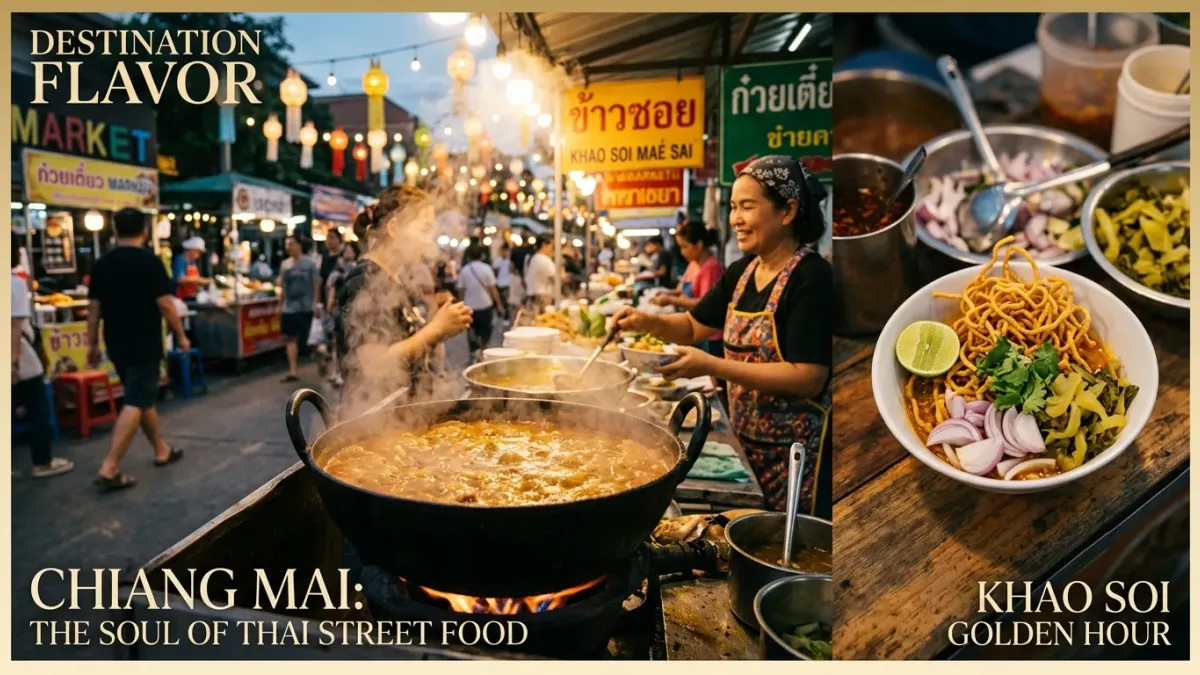
If there's one dish that epitomizes Northern Thailand, it's Khao Soi. This isn't just a noodle soup; it's a creamy, aromatic masterpiece. Imagine a rich, coconut milk-based curry broth, infused with a complex blend of turmeric, ginger, and other warming spices, served over both soft egg noodles and crispy fried noodles. Typically, you'll find it with tender braised chicken (Khao Soi Gai) or succulent beef (Khao Soi Neua), though pork versions exist. It's usually garnished with pickled mustard greens, shallots, lime, and a sprinkle of chili oil, allowing you to customize its sweet, sour, spicy, and savory balance. The beauty of Khao Soi lies in its textural contrasts and the depth of its flavors – a true testament to the region's culinary prowess.
You'll find it practically everywhere, from humble street carts to renowned local eateries. A fantastic, authentic spot to try it is at Khao Soi Khun Yai (Grandma's Khao Soi) in Chiang Mai, near Wat Khuan Khama (GPS: 18.7942, 98.9866), usually bustling with locals and open only until early afternoon. Expect to pay around 40-60 THB for a bowl. Another fantastic, slightly more upscale but still incredibly local option is Khao Soi Mae Sai (GPS: 18.7997, 98.9877), just north of the Old City, famous for its rich broth and generous portions. These places are usually packed for a reason!
Sai Oua & Naem: Sausages with Serious Flavor
Northern Thailand takes its sausages seriously, and Sai Oua, or Chiang Mai sausage, is a vibrant explosion of flavor. Made from minced pork, it's heavily seasoned with a fragrant blend of red curry paste, lemongrass, kaffir lime leaves, galangal, and fresh chilies. It’s typically grilled until juicy and slightly charred, offering a delightful chewiness and an irresistible herbal, spicy kick. You’ll often find it served with sticky rice (khao niew) and fresh vegetables, making for a perfect snack or a light meal, usually priced around 50-100 THB per piece/serving.
Another must-try is Naem, a fermented pork sausage with a distinctly sour taste. It's usually eaten raw or lightly grilled and is incredibly refreshing and tangy, often wrapped in banana leaves. Both Sai Oua and Naem are staples at any Northern Thai market. Look for stalls where they're grilling fresh batches right in front of you – the aroma alone will guide you. My personal favorite place to grab some fresh Sai Oua is at Warorot Market in Chiang Mai (GPS: 18.7903, 99.0016), where several vendors offer their own unique, secret recipes, often letting you sample before you buy. You can also find incredible versions at the Sunday Walking Street market.
Gaeng Hung Lay: A Burmese-Influenced Curry Dream
Stepping away from noodles and sausages, Gaeng Hung Lay is a rich, complex pork belly curry that showcases the strong Burmese influence in Lanna cuisine. This isn't your typical thin, spicy Thai curry. Instead, it’s a thick, savory, slightly sweet, and tangy curry, slow-cooked with tender chunks of pork belly, ginger, tamarind, and peanuts. It’s often milder in heat than other Thai curries but bursts with aromatic spices like cardamom, cinnamon, and star anise. It's a comforting, hearty dish best enjoyed with a generous helping of sticky rice, allowing you to soak up every last drop of the flavorful sauce. Prices typically range from 60-120 THB.
For an authentic experience, seek out a local restaurant or market stall that specializes in curries. The Chiang Mai Night Bazaar food court (GPS: 18.7865, 99.0019) has several vendors, but for a truly local taste, explore the smaller eateries around the Old City or even the food stalls at the San Pa Khoi Market (GPS: 18.7885, 99.0065) during lunchtime. Don't be shy to point and smile; most vendors are incredibly friendly and happy to serve.
Tam Khanun & Larb Kua: Unique Salads and Mincemeat Magic
Beyond the more famous dishes, Northern Thailand offers incredible salads that are far from dull. Tam Khanun, or young jackfruit salad, is a revelation for many. Boiled and shredded young jackfruit is pounded with a savory chili paste, tomatoes, and herbs, often mixed with minced pork or cracklings. It’s earthy, tangy, and surprisingly satisfying. Similarly, Larb Kua is the Northern Thai take on larb, distinct from its northeastern Lao-influenced cousin. Instead of being fresh and raw, Larb Kua is stir-fried (kua means fried) with an aromatic blend of dried chilies, herbs, and blood, giving it a deeper, spicier, and more pungent flavor profile. Often served with raw vegetables and sticky rice, these dishes showcase the region's love for bold, herbaceous flavors.
These specialized dishes are best found in local markets or smaller, family-run eateries rather than general tourist restaurants. The street food vendors around Kad Suan Kaew Shopping Centre (GPS: 18.7963, 98.9806) in Chiang Mai often have stalls specializing in these traditional Lanna dishes, especially during the evening. Don't let the "salad" label fool you; these are robust, full-flavored meals.
Navigating the Northern Thai Food Scene: Practical Tips for the Savvy Traveler
Embarking on a culinary journey through Northern Thailand is incredibly rewarding, but a few practical tips can elevate your experience from good to unforgettable. From timing your visit to understanding local transport and etiquette, here’s how to eat like a true local.
Best Time to Visit & Weather Expectations
The ideal time to visit Northern Thailand for street food exploration, and general comfortable travel, is during the cool and dry season, which runs from November to February. During these months, temperatures are pleasant (20-30°C / 68-86°F), humidity is low, and the skies are generally clear – perfect for wandering markets and sitting at outdoor stalls. This is also peak tourist season, so expect more crowds and slightly higher prices for accommodation.
The hot season (March-May) can be intense, with temperatures soaring above 35°C (95°F), and often coincides with the "burning season," where agricultural burning can create hazy air. The rainy season (June-October) brings lush greenery and fewer tourists, but sudden downpours can interrupt your street food plans. However, the rain often clears quickly, leaving a fresh atmosphere, and vendors still operate under awnings. If you don't mind a little heat or rain, the shoulder seasons (March, October) can offer a good balance of fewer crowds and decent weather.
Realistic Daily Budgets: Eating, Sleeping, Moving
One of the joys of Northern Thailand is how incredibly affordable it can be, especially if you embrace street food. For a budget traveler, a realistic daily budget would look something like this:
- Accommodation: Expect to pay 250-500 THB ($7-14 USD) for a clean, private room in a guesthouse or hostel. For a mid-range hotel, 800-1500 THB ($22-42 USD) will get you more amenities.
- Food: This is where you save big. A delicious street food meal or noodle soup will cost you 40-80 THB ($1-2 USD). Even a more substantial meal at a local eatery won't exceed 150-200 THB. Budget 300-500 THB ($8-14 USD) per day for food, allowing for multiple meals and snacks.
- Transport: Within cities like Chiang Mai, local songthaews (red pickup trucks acting as shared taxis) cost 30-60 THB per ride. Grab (Southeast Asia's version of Uber/Lyft) is also readily available, with rides typically 70-150 THB. For inter-city travel, comfortable local buses cost 150-300 THB ($4-8 USD).
Overall, a budget-conscious traveler focusing on street food and guesthouses can comfortably get by on 1000-1500 THB ($30-45 USD) per day, excluding major activities or long-distance travel. This budget allows for a truly immersive and delicious experience without breaking the bank.
Recommended Stay Durations & Transportation
To truly savor the street food scene, I recommend at least 5-7 days in Chiang Mai. This allows you to explore the Old City, visit various markets, take a cooking class, and venture out to nearby areas without feeling rushed. For Chiang Rai, 2-3 days is sufficient to explore its unique temples and vibrant night bazaar. If you plan to visit Pai, factor in another 2-3 days. Remember, this is slow travel, so don't try to cram too much in.
For getting around, walking is the best way to stumble upon hidden food gems, especially within the Old City areas of Chiang Mai and Chiang Rai. Beyond that, songthaews are economical and plentiful; just flag one down, state your destination, and agree on a price (usually 30-60 THB within city limits). For convenience, Grab is excellent, offering fixed prices and easier communication. For longer distances between cities, comfortable air-conditioned public buses are reliable and cheap, offering a glimpse into local life.
Finding Authentic Stalls & Cultural Etiquette
The golden rule for finding great street food: follow the locals! A stall bustling with Thai families, especially older generations, is almost always a sign of quality and authenticity. Don’t be swayed by flashy signs; often, the best food comes from the most unassuming carts. Look for visible cooking, fresh ingredients, and high turnover, which also indicates food safety.
When it comes to cultural etiquette, remember to be respectful. While you’ll often eat with a spoon and fork, some dishes like sticky rice are traditionally eaten with your right hand. Sharing dishes is common, so order a variety and pass them around. And a friendly "Sawadee krap/ka" (hello) and "Kob kun krap/ka" (thank you) go a long way. Most importantly, simply enjoy the experience – it’s a feast for all your senses!
Crafting Your Own Culinary Adventure: Planning Your Trip
Ready to pack your bags and your appetite? Here’s how to integrate Northern Thailand’s street food into your travel plans, ensuring you get the most out of this delicious region.
Chiang Mai: The Epicenter of Lanna Flavors
Chiang Mai is undeniably the best starting point for a Northern Thai food adventure. Its Old City, surrounded by ancient moats and walls, is a treasure trove of street food. Beyond the famous night bazaars, explore the markets. Warorot Market (Kad Luang) is a bustling day market where you can find everything from fresh produce to local snacks like khanom krok (coconut pancakes) and endless varieties of Sai Oua. For evenings, head to the North Gate (Chang Puak Gate) Night Market (GPS: 18.7942, 98.9850), famous for "Cowgirl Hat Lady" and her delicious pork leg stew, but also brimming with other fantastic choices like various curries and grilled meats. For accommodation, I recommend a charming family-run guesthouse like Baan Boo Loo Guesthouse (GPS: 18.7890, 98.9860) within the Old City, often available for around 400 THB/night, offering an authentic and comfortable base.
Chiang Rai: A Smaller Gem with Big Flavors
Often overlooked in favor of its larger neighbor, Chiang Rai offers a more laid-back street food scene that’s equally rewarding. The Chiang Rai Night Bazaar (GPS: 19.9048, 99.8288) is a fantastic spot, with a large food court offering a wide array of Northern Thai dishes, often accompanied by live music. Don't miss the local morning markets like Kad Luang Chiang Rai (GPS: 19.9090, 99.8310) for fresh produce and breakfast items. Seek out the local delicacy Nam Phrik Ong (a rich, tomato-based chili dip with minced pork) served with fresh vegetables. For a comfortable stay, consider Baan Jaru (GPS: 19.9026, 99.8255), a quaint guesthouse near the city center, priced around 500 THB/night.
Sustainable Eating and Safety Practices
As conscious travelers, it's important to practice sustainable eating. Opt for stalls that use reusable plates and cutlery where possible, or bring your own reusable cutlery set. Minimize plastic bag use by bringing a reusable shopping bag for market purchases. Support local vendors directly, as this channels money directly into the community. From a safety perspective, always choose stalls that look clean, have a high customer turnover (indicating fresh food), and where food is cooked to order. Trust your gut instinct. And remember to stay hydrated, especially in the heat, by drinking plenty of bottled water or refilling a reusable bottle at your accommodation.
Sample Culinary Itinerary Snippet
Imagine this: Arrive in Chiang Mai, settle into your guesthouse.
Day 1: Explore the Old City, grab Khao Soi Khun Yai for lunch, then wander through Warorot Market in the afternoon for snacks like Sai Oua and fresh fruit. Dinner at North Gate Night Market, trying various grilled skewers and a plate of Gaeng Hung Lay.
Day 2: Morning cooking class to learn to make your favorite dishes. Afternoon exploring temples. Evening food tour focusing on hidden street food alleys.
Day 3: Day trip to an ethical elephant sanctuary, then back to the city for a local favorite, Khanom Jeen Nam Ngiao (rice noodles with spicy pork rib soup), perhaps at a stall near the university, popular with students.
This approach allows you to taste a wide variety of dishes, understand the culture behind them, and connect with the heart of Northern Thailand. It’s a journey for your palate, your mind, and your soul.
Conclusion
Stepping beyond the ubiquitous Pad Thai and green curry opens up a world of culinary delights in Northern Thailand. From the creamy depths of Khao Soi to the spicy kick of Sai Oua and the comforting embrace of Gaeng Hung Lay, the Lanna region offers a unique tapestry of flavors shaped by history, geography, and a deep respect for local ingredients. This isn't just about filling your stomach; it's about connecting with a vibrant culture, understanding the rhythm of local life, and discovering edible hidden gems that will make your travel stories truly unforgettable.
So, pack your bags, bring an adventurous spirit, and prepare your taste buds for an extraordinary journey. Northern Thailand’s street food scene isn't just a meal; it's an experience waiting to be savored, one delicious, authentic bite at a time. Go forth and explore, my fellow wanderers – your next favorite dish is just around the corner.