






Why Go Beyond the Bestsellers? Unearthing Palawan’s Secret Side
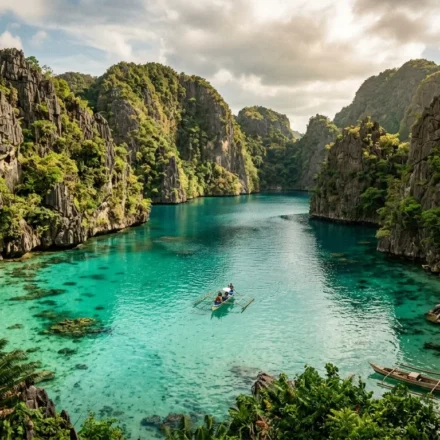
You’ve seen the postcards: towering limestone karsts, emerald lagoons, and sunsets that paint the sky in fiery hues. That’s Palawan, alright, but often, those images are from the well-trodden paths of El Nido and Coron. While undeniably beautiful, these popular spots can sometimes feel less like an adventure and more like a curated experience, complete with crowded boat tours and bustling beaches. But what if you crave something more? What if you desire the kind of paradise where your footprints are among the first on a deserted shore?
Table Of Content
- Why Go Beyond the Bestsellers? Unearthing Palawan’s Secret Side
- The Allure of Authenticity: What You’ll Find
- When to Visit for the Best Experience (and fewer crowds)
- Crafting Your Itinerary: The Lesser-Known Palawan Islands
- Port Barton: The Laid-Back Gateway
- Balabac Archipelago: The Southern Frontier
- Linapacan & Northern Palawan’s Untouched Corners
- Navigating the Archipelago: Transport, Logistics, and Local Life
- Getting There: Flights, Buses, and Boats
- Island Hopping Like a Local: Private vs. Group Tours
- Realistic Budgeting for Your Adventure
- Responsible Roaming: Safety, Culture, and Sustainable Practices
- Staying Safe and Respecting Local Customs
- Leaving No Trace: sustainable travel in Paradise
- Frequently Asked Questions
- What makes Palawan's lesser-known islands unique?
- When is the best time to visit Palawan's hidden islands?
- What is slow travel, and how does it apply to Palawan?
- What are some must-visit hidden gems in Palawan?
- How can I plan my itinerary for exploring Palawan's lesser-known islands?
Palawan, in its heart of hearts, is still an explorer’s dream, brimming with lesser-known islands waiting to be discovered. Here at Destination Wanderer, we believe the true magic unfolds when you step away from the well-trodden path. This guide isn’t about skipping El Nido entirely, but about showing you the incredible depth of Palawan, inviting you to explore its quieter, more authentic corners. It’s about experiencing the Philippines as it was meant to be: raw, vibrant, and utterly captivating.
The Allure of Authenticity: What You’ll Find
When you venture into Palawan’s hidden gems, you’re not just finding fewer people; you’re discovering a different rhythm of life. Imagine waking up to the gentle lapping of waves on a beach where local children play, or sharing a freshly caught seafood meal with a family who just pulled it from the ocean. You’ll encounter pristine coral reefs untouched by mass tourism, secret waterfalls cascading into jade pools, and endless stretches of sand where your only companions are the coconut trees. This is where slow travel comes alive—the concept of taking your time to explore a destination deeply, rather than rushing through many places. It’s about immersion, connection, and truly soaking in the local culture.
When to Visit for the Best Experience (and fewer crowds)
Timing is everything when chasing paradise. While Palawan is generally lovely year-round, hitting the sweet spot means avoiding both peak crowds and heavy rains. I highly recommend aiming for the shoulder season—the travel period between the peak and off-peak seasons, offering a balance of good weather and fewer crowds. For Palawan’s lesser-known islands, that means March to May, when the weather is dry and sunny but the influx of tourists hasn’t reached its peak. Another excellent window is October to November, as the rainy season tapers off, leaving the landscapes lush and the seas calmer, yet the crowds are still manageable.
Crafting Your Itinerary: The Lesser-Known Palawan Islands
So, you’re convinced to explore beyond the usual suspects. But where exactly do you begin? Palawan is a vast province, and its hidden gems are scattered. Based on my experience, a strategic approach allows for both discovery and comfort. Here are my top picks for truly getting off the beaten path.
Port Barton: The Laid-Back Gateway
Often overshadowed by its famous northern neighbors, Port Barton is a tranquil coastal village that embodies the chill, slow pace of old Palawan. It’s a perfect base for acclimatizing to island life and is easily accessible. The vibe here is wonderfully relaxed; think hammocks, local eateries, and a stunning long beach perfect for sunset strolls. It’s also incredibly affordable.
- Recommended Stay: 3-5 days.
- Realistic Daily Budget: $30-50 (accommodation, food, local transport, one island tour).
- Accommodation Example: Stay at A-Line Cottages for around $25-35/night for a basic, clean fan room near the beach. For a slight upgrade, check out Deep Moon Resort.
- Hidden Gem Activity: A day trip to Pamuayan Waterfall (ask a local for directions or hire a motorbike driver for P200-300). For island hopping, focus on destinations like German Island, Exotic Island, and the incredible snorkeling at Twin Reef. A full day island hopping tour typically costs around P1200-1500 ($20-30) per person, including lunch.
Balabac Archipelago: The Southern Frontier
Now, if you want to truly push the boundaries of exploration, the Balabac Archipelago in the far south of Palawan is your holy grail. This is where you’ll find the Philippines’ answer to the Maldives: countless unspoiled islands, blinding white sandbars that emerge from turquoise seas, and a truly remote feel. Getting here requires commitment and planning, but the reward is unparalleled.
- Recommended Stay: 4-6 days (typically as part of an organized multi-day tour).
- Realistic Daily Budget: $70-100+ (primarily for guided tours, as independent travel here is challenging).
- Logistics: You’ll need to travel from Puerto Princesa to Rio Tuba (a 4-5 hour van ride, ~P500), then catch a boat to Balabac town. From there, reputable local tour operators (which are essential for safety and navigation) will take you deeper into the archipelago.
- Hidden Gems: Canibungan Island, famous for its incredible sandbar; Punta Sebaring, with its miles of pristine white beach; and the incredible sand-spit of Patawan Island. Since GPS coordinates can be unreliable for dynamic sandbars, your best bet is to go with a highly recommended local guide who knows the tides and the best spots. I’ve found that joining a small group tour from Puerto Princesa or directly from Balabac town is the most practical and safest way to experience this region.
Linapacan & Northern Palawan’s Untouched Corners
Nestled between El Nido and Coron, the Linapacan group of islands is a forgotten paradise. Most tourists simply sail past them on their way to more famous destinations. But Linapacan boasts some of the clearest waters in the world, teeming with marine life, and islands so pristine you’ll feel like Robinson Crusoe. It requires a bit more effort to reach, often by private boat charter from El Nido or Coron, or by joining specialized expedition tours.
- Recommended Stay: 2-4 days (often as part of a multi-day boat expedition).
- Accommodation: Expect basic beach huts, homestays, or camping under the stars.
- Activity: Snorkeling, diving, swimming in lagoons, and simply enjoying the solitude. This is a place for true adventurers, willing to forgo luxury for unparalleled natural beauty.
Navigating the Archipelago: Transport, Logistics, and Local Life
So far we’ve covered the “where.” Now let’s get to the really critical point: the “how.” Traveling to Palawan’s lesser-known spots requires a blend of flexibility, patience, and a willingness to embrace local modes of transport. This isn’t just about getting from A to B; it’s part of the adventure.
Getting There: Flights, Buses, and Boats
Your journey will likely begin with a flight into Puerto Princesa (PPS) or, less commonly for these destinations, El Nido (ENI). From Puerto Princesa, you have several options:
- To Port Barton: Regular air-conditioned vans depart from the airport or San Jose terminal (near Robinsons Place) throughout the day. The journey takes approximately 3-4 hours and costs around P500-700 ($9-13). It’s a comfortable ride, giving you a taste of Palawan’s interior.
- To Balabac: This is a longer journey. First, a van from Puerto Princesa to Rio Tuba (4-5 hours, P500-700). From Rio Tuba, you’ll need to catch a local boat to Balabac town. This leg can be unpredictable regarding schedules, so be prepared for potential delays. This is where overlanding—self-reliant travel to remote destinations where the journey itself is the primary goal—truly begins to apply.
- To Linapacan: Typically accessed via multi-day boat expeditions departing from El Nido or Coron. These aren’t your standard day tours; they often involve sleeping on the boat or camping on deserted islands.
Island Hopping Like a Local: Private vs. Group Tours
Once you’re in your chosen hidden gem location, island hopping is the main event. In places like Port Barton, you’ll find plenty of local boatmen offering standard group tours, which are a fantastic and affordable way to see the main sights. For example, a group tour to Port Barton’s highlights (Exotic Island, German Island, Starfish Island, Twin Reef) costs about P1200-1500 per person and includes lunch. However, if you’re with a group or prefer a more personalized experience, you can charter a private boat. This allows you to customize your itinerary, spend more time at spots you love, and even discover your own secret coves. Prices vary but expect to pay P2500-4000 for a full day, depending on the boat size and destinations.
Realistic Budgeting for Your Adventure
One of the perks of exploring lesser-known Palawan is that your money stretches further. Here’s a general breakdown:
- Accommodation: $20-50 per night for clean, comfortable guesthouses or beach huts.
- Food: $15-30 per day. Eating at local “carinderias” (small, family-run eateries) will keep costs down (P100-200 per meal), while tourist-oriented restaurants might be P300-500. Fresh seafood is always a great, affordable option.
- Transport: $10-30 per day, depending on if you’re taking long-distance vans or just local tricycles and boats.
- Activities: $20-50 per day for island hopping tours or other excursions. Balabac tours will be a higher lump sum.
Overall, a comfortable but still budget-conscious daily spend for these areas (excluding flights to Palawan) would be around $50-80 per person. This allows for comfortable accommodation, delicious food, and plenty of exploration without breaking the bank.
Responsible Roaming: Safety, Culture, and Sustainable Practices
Venturing off the grid means taking extra responsibility. These untouched places are gifts, and it’s up to us to protect them. Honestly, the beauty of these islands lies in their unspoiled nature, so let’s keep it that way.
Staying Safe and Respecting Local Customs
Safety starts with awareness. Always inform your guesthouse or a trusted local of your plans, especially if you’re exploring solo. A reliable power bank is essential, as electricity can be intermittent in remote areas. Stay hydrated, protect yourself from the sun, and always wear reef-safe sunscreen to protect the delicate marine ecosystem. Culturally, Filipinos are incredibly welcoming. A few phrases like “Salamat” (Thank you) go a long way. Dress modestly when in villages, especially if visiting places of worship, and always ask permission before taking photos of people. Remember, you are a guest in their home.
Leaving No Trace: sustainable travel in Paradise
This is non-negotiable. These islands are pristine because they haven’t been overwhelmed by tourism, and we must do our part to keep them that way.
- Reduce Plastic: Bring a reusable water bottle and fill it up (many guesthouses offer refills). Decline plastic straws.
- Pack It In, Pack It Out: Whatever you bring to an island, take it back with you. Don’t leave any trash behind.
- Protect Marine Life: Never touch corals or marine animals. Avoid using harsh chemicals like bug spray before swimming.
- Support Local: Choose local guides, homestays, and eateries. Your money directly benefits the communities that call these islands home.
For example, imagine this situation: You’ve just finished a stunning picnic lunch on a deserted beach, supplied by your local boatman. Instead of leaving behind plastic water bottles and food wrappers, meticulously gather everything into your reusable bag to dispose of properly later. It’s a small act, but collectively, it makes a monumental difference. Wouldn’t you want future travelers, and more importantly, the local communities, to experience the same untouched beauty you did?
Palawan’s lesser-known islands offer an adventure that goes beyond pretty pictures—it’s an opportunity for genuine connection, profound discovery, and a deep appreciation for nature. These aren’t just destinations; they’re experiences that will reshape your understanding of paradise. So, pack your sense of adventure, leave your expectations behind, and prepare to uncover the true, untouched heart of Palawan. The secret islands are calling, and your unforgettable journey awaits.
Frequently Asked Questions
What makes Palawan's lesser-known islands unique?
Palawan's lesser-known islands offer a different rhythm of life, with pristine coral reefs, secret waterfalls, and endless stretches of sand. These islands provide an authentic experience, allowing visitors to immerse themselves in the local culture and connect with the community. By venturing into these hidden gems, travelers can escape the crowds and experience the Philippines in its raw, vibrant, and captivating form.
When is the best time to visit Palawan's hidden islands?
The best time to visit Palawan's hidden islands is during the shoulder season, which falls in March to May or October to November. These periods offer a balance of good weather and fewer crowds, making it ideal for exploring the islands without the peak tourist season chaos. The dry and sunny weather during these months allows for comfortable travel and outdoor activities.
What is slow travel, and how does it apply to Palawan?
Slow travel is the concept of taking your time to explore a destination deeply, rather than rushing through many places. In Palawan, slow travel comes alive by immersing yourself in the local culture, connecting with the community, and truly soaking in the island life. This approach allows travelers to experience the authentic rhythm of the islands, from waking up to the sound of waves to sharing meals with local families.
What are some must-visit hidden gems in Palawan?
Some must-visit hidden gems in Palawan include Port Barton, a tranquil coastal village with a laid-back atmosphere, and the Balabac Archipelago, located in the southern part of the province. These destinations offer a range of activities, from island hopping and snorkeling to exploring waterfalls and pristine beaches. Port Barton is an ideal base for acclimatizing to island life, with affordable accommodation options and a relaxed vibe.
How can I plan my itinerary for exploring Palawan's lesser-known islands?
To plan your itinerary for exploring Palawan's lesser-known islands, consider a strategic approach that balances discovery and comfort. Start by selecting a base location, such as Port Barton, and then plan day trips to nearby islands and attractions. Research affordable accommodation options, local transport, and island hopping tours to create a realistic daily budget. With some planning, you can experience the authentic beauty of Palawan's hidden gems without breaking the bank.