




Hey there, fellow wanderers! If you’re reading this, chances are you’ve got that itch to trade your cubicle for a beachfront cafe or a mountain-view balcony. The world of digital nomads – individuals who use technology to earn a living remotely, often while traveling – is booming, and 2025 promises even more opportunities for global adventures.
Table Of Content
As someone who’s spent over 15 years chasing Wi-Fi signals in far-flung corners, I know the drill: you need reliable internet, a welcoming community, a reasonable cost of living, and, crucially, a way to legally stay put. Forget those generic “top 10” lists! I’m here to give you the actionable, boots-on-the-ground intel on some of the best cities for digital nomads in 2025, covering everything from daily budgets to visa specifics.
What Makes a Great Digital Nomad City?
Before we dive into specifics, let’s talk about the pillars of a great digital nomad hub:
- Internet & Infrastructure: Fast, reliable internet is non-negotiable. Beyond that, access to good healthcare, banks, and transport helps.
- Cost of Living: Affordability for accommodation, food, and daily expenses.
- Visa Accessibility: The ease of obtaining a visa that allows extended stays, ideally a digital nomad visa (a specific visa category designed for remote workers).
- Community & Lifestyle: A thriving expat or digital nomad scene, co-working spaces, and a stimulating local culture.
- Safety & Stability: A secure environment where you can focus on your work and enjoy your surroundings.
Top Digital Nomad Cities for 2025
1. Lisbon, Portugal
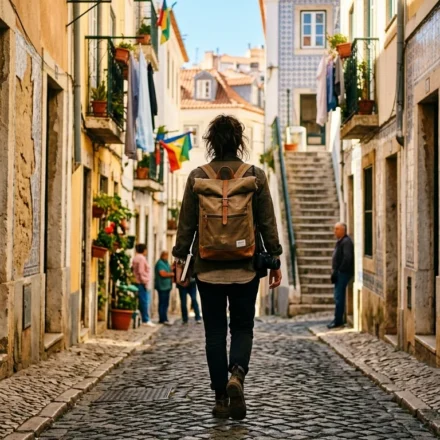
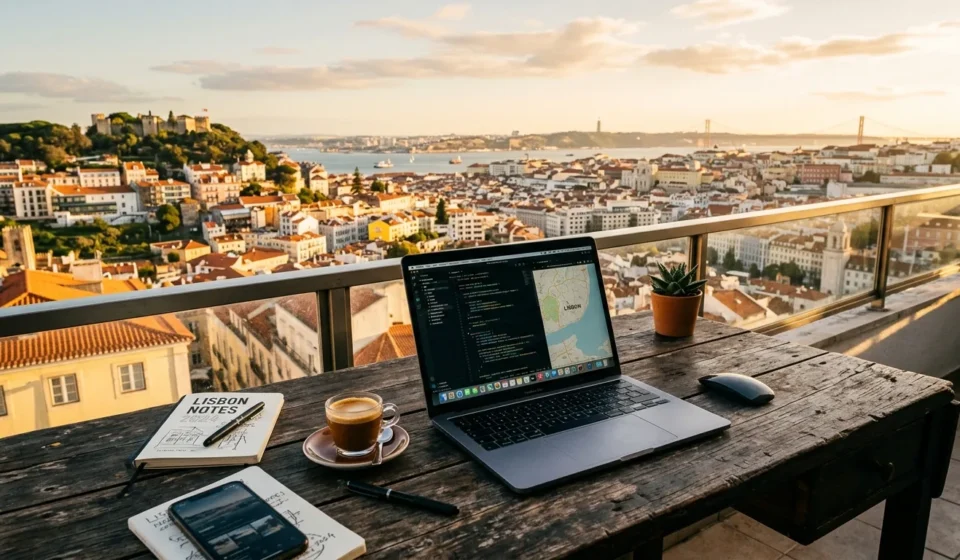
Lisbon continues to captivate remote workers with its sunny disposition, rich history, and vibrant atmosphere. It’s a European gem that balances modern amenities with old-world charm.
- Best Time to Visit: Shoulder season (April-May or September-October) offers pleasant weather (18-25°C) and fewer crowds than peak summer.
- Realistic Daily Budget: €50-€80 (approx. $55-$90 USD) for a comfortable lifestyle. Accommodation can be €800-€1200/month for a decent apartment, or €40-€60/night for a guesthouse. Local meals are €10-€15, co-working memberships €150-€250/month.
- Recommended Stay: 3-6 months to truly immerse yourself.
- Visa: Portugal has a well-established Digital Nomad Visa (D8 Visa). It requires proof of income (at least 4x the Portuguese minimum wage, roughly €3,040/month in 2024), a clean criminal record, and health insurance. It allows for a temporary stay or even residency.
- Co-working Spaces: Abundant! Check out Second Home Lisboa (riverside views) or Outsite Lisbon for a community vibe. Many cafes also welcome laptop warriors.
- Transportation: Excellent public transport (metro, tram, bus) with a monthly pass for around €40. Taxis/ride-shares are also affordable.
- Hidden Gems & Local Life: Beyond the main tourist spots, explore the LX Factory for unique shops and eateries, or take a tram to the less-trodden streets of Alfama after dark to hear Fado music.
- Safety & Culture: Generally safe, but be mindful of pickpockets in crowded areas. Portuguese culture is warm and family-oriented; a simple “Olá” and “Obrigado/a” go a long way.
2. Medellín, Colombia
Once infamous, Medellín has transformed into a vibrant, innovative city known as the “City of Eternal Spring” for its perfect climate. It offers incredible value for money and a lively culture.
- Best Time to Visit: Any time! Its tropical mountain climate means consistent temperatures (22-28°C) year-round. Avoid October-November for slightly heavier rains.
- Realistic Daily Budget: $30-$50 USD for a comfortable life. A mid-range apartment in El Poblado or Laureles can be $500-$800/month, or a guesthouse for $20-$30/night. Delicious local “menú del día” meals are $3-$5. Co-working is $100-$180/month.
- Recommended Stay: 2-4 months to get a feel for the different neighborhoods.
- Visa: Colombia introduced its Digital Nomad Visa in 2022. It requires proof of income of at least 3x the Colombian minimum wage (approx. $700-$800 USD/month in 2024), a valid passport, and health insurance. It allows stays up to two years.
- Co-working Spaces: Selina Medellín (co-work and co-live), Impact Hub Medellín, and Coworking EAFIT are popular choices, especially in El Poblado and Laureles.
- Transportation: Medellín has an excellent, clean, and safe metro system (approx. $1 per ride). Taxis and ride-shares (Uber, Didi) are also very affordable.
- Hidden Gems & Local Life: Explore Comuna 13 for its vibrant street art and incredible transformation story. Head to Envigado for a more local feel and delicious food, away from the main tourist hubs.
- Safety & Culture: Medellín is much safer than its past, but common sense applies, especially at night. Colombians are incredibly friendly and welcoming; mastering some basic Spanish will greatly enhance your experience.
3. Chiang Mai, Thailand
The original digital nomad hub, Chiang Mai continues to be a magnet for remote workers, especially those seeking an affordable, relaxed lifestyle steeped in rich Buddhist culture and incredible food.
- Best Time to Visit: November to February offers cooler, dry weather (15-28°C). Avoid March-April due to “burning season” haze and high temperatures.
- Realistic Daily Budget: $25-$40 USD. A comfortable apartment can be $300-$500/month, or guesthouses for $15-$25/night. Street food is incredibly cheap, often $1-$3 per meal. Co-working spaces average $80-$150/month.
- Recommended Stay: 1-3 months, with options to extend or do visa runs.
- Visa: As of writing, Thailand is actively working on a long-term Digital Nomad Visa or “Long-Term Resident (LTR) Visa” which could be a game-changer for 2025. Currently, most nomads use a 60-day tourist visa (extendable once for another 30 days) or a 90-day Non-Immigrant B visa if they have a local employer or educational purpose.
- Co-working Spaces: Chiang Mai is packed with them! Punspace (various locations), CAMP at Maya Mall (free with a coffee purchase), and countless cafes with strong Wi-Fi.
- Transportation: Red songthaews (shared taxis) are ubiquitous and cheap ($1-$2 per ride). Grab (ride-hailing app) is also very popular. Many rent scooters, but always wear a helmet and have appropriate insurance.
- Hidden Gems & Local Life: Skip the crowded Sunday Walking Street and explore the lesser-known Warorot Market for authentic Thai snacks and goods. Take a cooking class or volunteer at an elephant sanctuary.
- Safety & Culture: Chiang Mai is very safe. Thai culture is deeply rooted in Buddhism; always be respectful, especially at temples (cover shoulders and knees). Remove shoes before entering homes or temples.
General Tips for Aspiring Digital Nomads
No matter where you choose, a few universal truths apply:
- Reliable Internet is Key: Always check reviews for Wi-Fi quality at accommodation and co-working spaces. Consider a local SIM card with a generous data plan.
- Health Insurance: Do not travel without it. Look for international health insurance specifically designed for long-term travelers and digital nomads.
- Build Your Community: Join local digital nomad Facebook groups, attend meetups, or participate in co-living arrangements. Loneliness can be a real challenge.
- Practice Sustainable Travel: As guests in these beautiful places, it’s our responsibility to minimize our impact. Choose eco-friendly accommodations, reduce plastic waste, support local businesses, and respect local customs and environments. At Destination Wanderer, we believe responsible travel makes for richer experiences.
- Backup Everything: Your work, your documents, your photos. Cloud storage is your best friend.
The world is your oyster, and 2025 is shaping up to be an incredible year for those ready to embrace the digital nomad lifestyle. Whether you’re drawn to European charm, Latin American vibrancy, or Southeast Asian tranquility, there’s a perfect base waiting for you. Pack your bags, charge your laptop, and get ready for the adventure of a lifetime!