




Igniting Your Engine: The Dream of an Americas Road Trip
Picture this: you’re behind the wheel, the Pan-American Highway stretching endlessly before you, connecting two vast continents, 19 countries, and countless cultures. From the icy tundras of Alaska to the windswept plains of Patagonia, an ultimate road trip across the Americas isn’t just a journey; it’s a life-altering expedition. It’s a challenge, a marvel, and a masterclass in slow travel, letting you truly immerse yourself in the landscapes and people along the way.
Table Of Content
- Igniting Your Engine: The Dream of an Americas Road Trip
- Phase 1: Laying the Foundation – Vision, Vehicle, and Vitals
- Defining Your Epic Journey & Budget
- Your Trusty Steed: Choosing Your Overlanding Vehicle
- Phase 2: Navigating Bureaucracy & Gear Up
- Passport, Visas, and Vehicle Paperwork
- Packing Smart: Gear for Every Climate
- Phase 3: On the Road – Borders, Safety, and Immersion
- Mastering Border Crossings & Road Safety
- Embracing Culture and Sustainable Travel
- Phase 4: The Art of Uncovering Hidden Gems
- Your Journey Awaits: Hit the Road!
Honestly, this isn’t a trip you just wake up and do. It requires meticulous planning, a flexible mindset, and a deep desire for adventure. As someone who’s navigated everything from dusty Patagonian backroads to bustling Central American border towns, I can tell you that while the dream is grand, the details are what make it achievable. So, let’s break down how to turn that audacious vision into your asphalt reality.
Phase 1: Laying the Foundation – Vision, Vehicle, and Vitals
Defining Your Epic Journey & Budget
First things first: what kind of road trip do you envision? Are you racing against the clock, or are you embracing the true spirit of Destination Wanderer by opting for slow travel, lingering in places that capture your heart? This isn’t a weekend getaway; it’s potentially a multi-year commitment. You’ll need to decide on your general route (North to South is most common due to climate and visa progression, but South to North is also viable), your pace, and your must-see destinations. This clarity will inform every subsequent decision.
Now, let’s talk money – the big elephant in the room for any grand adventure. A trip of this magnitude requires a substantial budget, but it’s more achievable than you might think. Based on my experience and countless travelers I’ve met on the road, a realistic daily budget for two people overlanding through the Americas can range from $50 to $100+ USD per day. This covers fuel, basic groceries, campsite fees, and occasional cheap guesthouses. This excludes your initial vehicle purchase and major repairs. Remember, Central America and much of South America can be incredibly affordable, especially if you cook your own meals and opt for wild camping or budget-friendly hostels (think $15-35/night for a private room in places like Nicaragua or Bolivia). In contrast, parts of North America will be significantly pricier.
Your Trusty Steed: Choosing Your Overlanding Vehicle
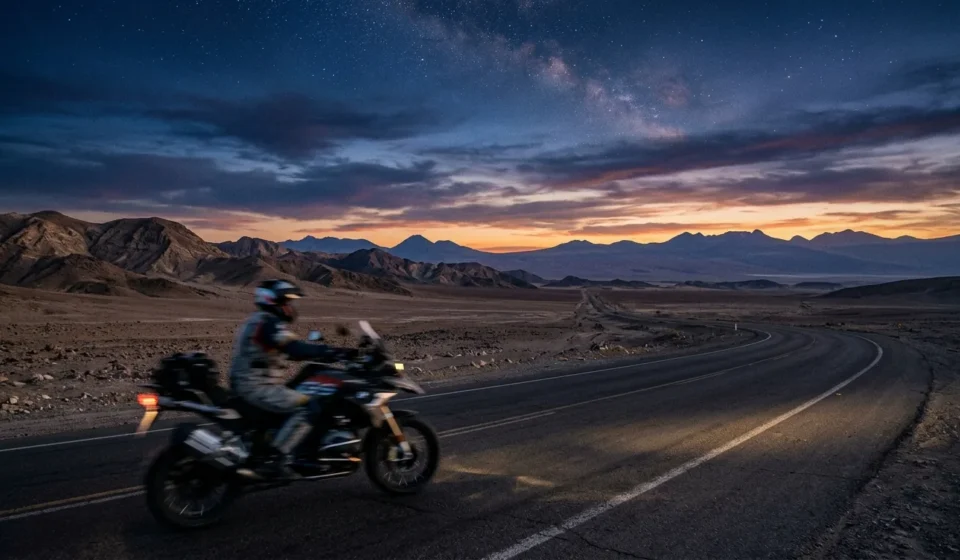
This is arguably the most critical decision you’ll make. Your vehicle is more than transport; it’s your home, your office, and your lifeline. When we talk about an “Americas road trip,” we’re really talking about overlanding: self-reliant adventure travel to remote destinations where the journey is the primary goal. What kind of vehicle suits your style? Do you want a rugged 4×4, a converted van, or even a motorcycle?
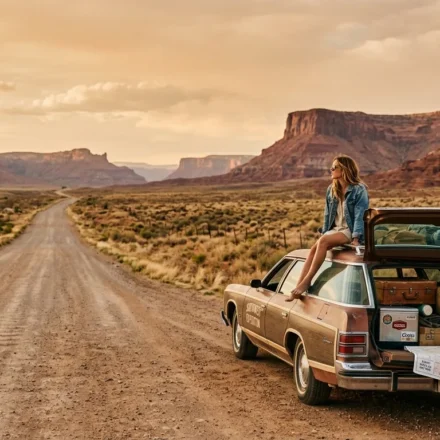
Each has its pros and cons. A 4×4 with a rooftop tent (like a Toyota Land Cruiser or Tacoma) offers unparalleled off-road capability and security, often costing between $15,000 – $35,000 for a well-prepped used model. A converted van (like a Sprinter or Ford Transit) provides more interior space and comfort but might limit access to truly remote spots, running anywhere from $10,000 for a basic setup to $50,000+ for a custom build. Consider fuel efficiency, reliability, parts availability in remote areas, and your comfort level with vehicle maintenance. Seriously, learn how to change a tire and check your fluids!
Phase 2: Navigating Bureaucracy & Gear Up
Passport, Visas, and Vehicle Paperwork
Get ready for paperwork. Your passport is step one, of course, but you’ll need to research visa requirements for every country on your route. Many Central and South American countries offer visa-free entry for tourists from Western nations for 30-90 days, but rules change, so always check official embassy websites. For your vehicle, you’ll need the original title, registration, and a power of attorney if it’s not registered in your name. You’ll also encounter temporary import permits (TIPs) at almost every border, which allow your vehicle to enter a country temporarily. These can range from free to around $50-100 USD per country and typically require a copy of your passport, driver’s license, and vehicle documents.
For some South American countries, particularly Argentina and Brazil, a Carnet de Passages en Douane (CPD) might be required, though this is becoming less common for personal vehicles and more for commercial goods. It’s essentially a customs document guaranteeing you’ll re-export your vehicle, preventing you from selling it illegally. Research this thoroughly for your specific route; it involves a significant bond. Don’t forget international driving permits (IDP), which translate your home license and are required in many countries.
Packing Smart: Gear for Every Climate
From Alaskan snow to Patagonian winds, and the humid tropics in between, you’re going to encounter every kind of weather imaginable. Packing smart is key. Think layers, quick-drying fabrics, and versatile items. My go-to list always includes: a good quality waterproof and windproof jacket, sturdy hiking boots, sandals, a wide-brimmed hat, and a reliable water filter or purification tablets. Don’t forget a first-aid kit, emergency roadside tools, and a basic spare parts kit for your vehicle (e.g., fuses, belts, fluids).
For example, imagine this situation: you’ve just crossed into Peru, the sun is blazing down, but you’re heading into the Andes where nights drop below freezing. If you packed only for the beach, you’re in for a miserable night. Bring a good sleeping bag rated for various temperatures, or at least a warm blanket. And for the love of all that is holy, invest in a quality cooler or fridge for food, especially if you plan to cook often – it’ll save you a fortune and keep you healthier.
Phase 3: On the Road – Borders, Safety, and Immersion
Mastering Border Crossings & Road Safety
Border crossings can be intimidating, but with patience and preparation, they become part of the adventure. The key is to be polite, organized, and aware. Always have multiple copies of all your documents. Don’t let touts “help” you for a fee unless you’ve confirmed they’re official and you understand the costs. Always assume you’ll pay a small fee here or there, but push back on anything exorbitant or unofficial. Mexico’s FMM (Forma Migratoria Múltiple) and vehicle import permit, for instance, are straightforward if you follow the signs to the Banjército bank within the border complex.
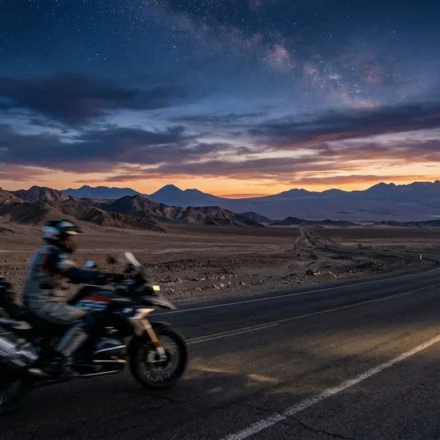
Safety is paramount. Research current advisories for each country. Avoid driving at night, especially in rural areas or known risk zones. Secure your vehicle, use reputable campsites or guesthouses, and blend in. In my opinion, the biggest safety net is often simply being aware of your surroundings and trusting your gut. As for road conditions, expect everything from pristine highways to unpaved, pothole-ridden tracks. Always carry extra fuel, especially in remote parts of Mexico, Central America, or the Atacama Desert in Chile.
Embracing Culture and Sustainable Travel
This journey isn’t just about the miles; it’s about the moments. Immerse yourself in the local culture. Eat street food (carefully!), learn a few phrases of Spanish (it’s invaluable), and seek out local markets. Instead of just passing through, spend a few days in a small town like Salento, Colombia, or a mountain village in Oaxaca, Mexico. Find a family-run guesthouse for $25-40/night and chat with the owners. These are the “hidden gems” that GPS coordinates can’t fully capture – they’re about human connection.
Remember to practice sustainable travel. Minimize your waste, avoid single-use plastics, and respect local customs. Support local businesses, ask before taking photos of people, and leave no trace. This isn’t just a trip for you; it’s an interaction with the homes and livelihoods of countless communities. Your journey across the Americas can be a force for good, if done thoughtfully.
Phase 4: The Art of Uncovering Hidden Gems
The beauty of a road trip this vast is the freedom to deviate. While main attractions are great, the true magic lies in the detours. How do you find these spots? Talk to locals! Ask guesthouse owners, shopkeepers, or fellow travelers for their favorite local spots. Don’t just rely on popular blogs or travel guides. For instance, instead of only visiting Machu Picchu, also explore the lesser-known ruins of Kuelap in northern Peru, often reached by a spectacular cable car and offering a glimpse into pre-Incan Chachapoya culture. Or, instead of just the main tourist beaches in Costa Rica, head to the sleepy Osa Peninsula for raw, untouched nature.
Sometimes, a simple turn down a dirt road can lead to an unforgettable experience – a secluded hot spring, an incredible viewpoint, or a tiny village celebrating a local festival. Be open, be curious, and be prepared for the unexpected. That’s where the real stories are made, and where your journey truly becomes your own. This isn’t about collecting stamps; it’s about collecting experiences.
Your Journey Awaits: Hit the Road!
Planning an ultimate road trip across the Americas is a monumental undertaking, yes, but it’s also one of the most rewarding adventures you can ever embark on. From the initial spark of an idea to the final triumphant mile, every step is part of the story. Don’t let the scale overwhelm you; break it down into manageable steps, just like we’ve done here. Research, prepare, stay flexible, and most importantly, embrace the unknown.
The open road is calling. Your vehicle is ready, your documents are in order, and your spirit of adventure is primed. Go forth, explore, and create memories that will last a lifetime. This isn’t just a trip; it’s an education, a transformation, and an unforgettable chapter in your life. What are you waiting for?