

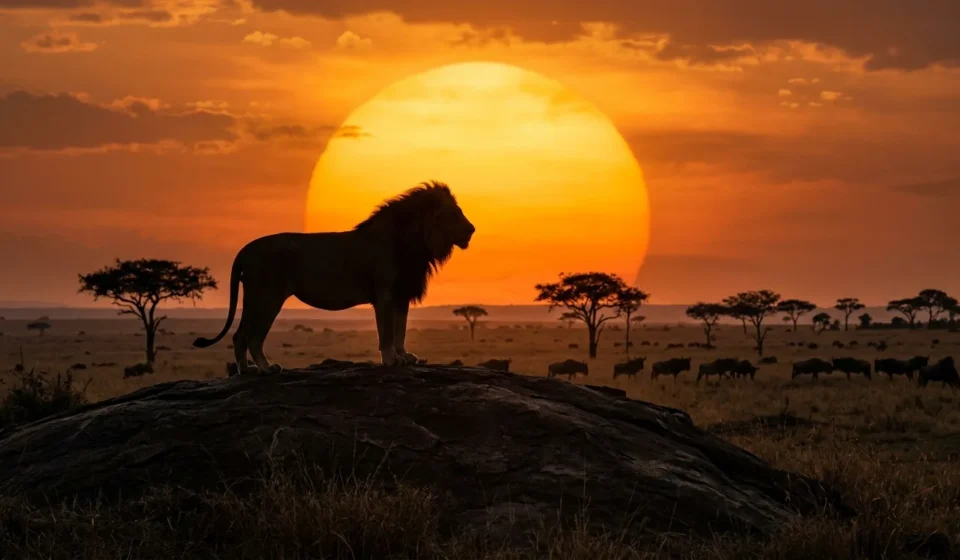

Your Ultimate African Safari Guide: What to Expect, What It Costs & When to Go
For over 15 years, I’ve chased sunsets across continents and tracked footprints through remote wildernesses. But if there’s one adventure that consistently delivers a profound, soul-stirring experience, it’s the African safari. It’s more than just seeing animals; it’s about connecting with the raw pulse of nature, waking to the roar of a lion, and witnessing the circle of life unfold before your very eyes. If you’re dreaming of embarking on this incredible journey, you’ve come to the right place. Let’s break down what you need to know to plan your unforgettable African safari.
Table Of Content
What to Expect on an African Safari
Forget the glossy brochures for a moment. A safari is an immersive experience that engages all your senses.
- The Daily Rhythm: Expect early mornings! Most safaris begin before dawn to catch the wildlife at its most active. You’ll head out on a game drive (a guided excursion in an open-sided vehicle to spot animals) as the sun rises, returning for a hearty breakfast. Afternoons often involve relaxation, perhaps a swim, or another game drive as temperatures cool. Evenings are for sundowners (drinks enjoyed as the sun sets), dinner, and sharing stories around a campfire under a blanket of stars.
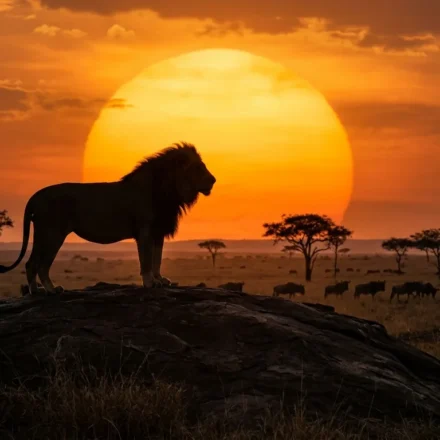
- Wildlife Encounters: Prepare for awe. You’ll likely see the “Big Five” (lion, leopard, elephant, rhino, buffalo), but also countless other species – giraffes, zebras, hippos, wildebeest, and a spectacular array of birds. Your experienced ranger or guide will be your eyes and ears, spotting animals you’d never see on your own and sharing fascinating insights.
- Accommodation: Options range from luxurious lodges with infinity pools overlooking watering holes to comfortable tented camps (often with en-suite bathrooms and proper beds, far from basic camping!) and more rustic, budget-friendly campsites. The choice depends on your budget and desired level of immersion.
- Beyond Game Drives: Many safaris offer walking safaris (guided walks to learn about smaller creatures and flora), night drives, boat safaris (in places like Botswana’s Okavango Delta), or even hot air balloon rides for a bird’s-eye view of the plains.
What It Costs: Realistic Safari Budgets
Safari prices vary wildly depending on the country, length of stay, level of luxury, and time of year. Here’s a rough breakdown of daily costs per person (excluding international flights):
- Budget Safari ($200 – $350 per person/day): Typically involves group camping safaris, often in Tanzania or Kenya. You’ll share basic dome tents, participate in camp chores, and have a cook prepare meals. An example might be a 7-day budget camping safari in Tanzania’s Serengeti and Ngorongoro for around $1,500-$2,500 per person.
- Mid-Range Safari ($400 – $800 per person/day): This is where most travelers find excellent value. You’ll stay in comfortable tented camps or lodges, often with private bathrooms and amenities. Meals, game drives, and park fees are usually included. A 5-day safari in Kenya’s Maasai Mara, staying at a well-regarded tented camp like Mara Leisure Camp, could cost $2,000-$4,000.
- Luxury Safari ($900+ per person/day): Expect exclusive, all-inclusive lodges in private conservancies, often with private plunge pools, gourmet dining, and personalized service. Destinations like Botswana, Zambia, or South Africa’s private reserves (e.g., &Beyond Ngala Safari Lodge in Timbavati) fall into this category. Bush flights between camps are common.
Key Cost Factors:
- Park Fees: These can be substantial, often $70-$100+ per person per day in popular parks.
- Transportation: Road transfers, internal flights, and safari vehicles.
- Guides & Staff: Their expertise is invaluable.
- Seasonality: Peak season prices are higher.
When to Go: Timing Your African Adventure
The best time to visit depends on your desired experience and the region.
- Dry Season (Peak Season): Generally June to October in East Africa (Kenya, Tanzania) and May to October in Southern Africa (South Africa, Botswana, Zambia).
- Pros: Wildlife congregates around dwindling water sources, making animals easier to spot. Vegetation is sparser. Cooler temperatures, less humidity, and fewer mosquitoes. Ideal for witnessing the Great Migration river crossings in East Africa (July-September).
- Cons: Higher prices, more crowded, dustier conditions.
- Wet Season / Green Season (Low Season): Generally November to May in East Africa and November to April in Southern Africa.
- Pros: Lush, green landscapes perfect for photography. Birthing season, so you’ll see many young animals. Excellent for birdwatching as migratory birds arrive. Fewer tourists and lower prices. Witness the Great Migration calving season in the Southern Serengeti (January-March).
- Cons: Thicker vegetation can make wildlife harder to spot. Occasional heavy rains may impact road conditions. More mosquitoes.
- Shoulder Season: These are the months bordering the peak and low seasons (e.g., May and November in East Africa). Shoulder season offers a fantastic balance – decent weather, good wildlife viewing, fewer crowds, and often better prices than peak season.
Practical Tips for Your Safari
- Packing: Think layers! Mornings and evenings are cool, while midday can be hot. Pack neutral colors (khaki, tan, olive) to blend in and avoid attracting insects. A wide-brimmed hat, sunglasses, binoculars, a good camera with a zoom lens, and insect repellent are essential.
- Safety: Always listen to your guide. They are experts in wildlife behavior. Never approach animals on foot unless on a guided walking safari. Keep a respectful distance and never feed wildlife.
- Health: Consult your doctor about required vaccinations (e.g., Yellow Fever) and malaria prophylaxis. Bring any personal medications.
- Cultural Etiquette & Sustainable Travel:
- Ask permission before photographing local people.
- Support local communities by buying crafts directly from artisans.
- Choose reputable safari operators committed to conservation and ethical wildlife tourism. Avoid any interactions that exploit animals (e.g., riding elephants, petting lions).
- Minimize your waste and leave no trace. Many camps have strict recycling policies.
Hidden Gems & Off-the-Beaten-Path Safari Experiences
While Serengeti and Maasai Mara are incredible, consider lesser-known parks for a more exclusive feel:
- Ruaha National Park, Tanzania: Tanzania’s largest park, known for its huge elephant herds and wild dog populations. It offers a truly remote experience compared to its northern counterparts. You can often find camps like Kigelia Ruaha offering an intimate, luxury tented experience in this vast wilderness.
- Liuwa Plain National Park, Zambia: Famous for its massive wildebeest migration (second only to the Serengeti) and abundant birdlife, especially during the green season. It’s truly off-grid, with limited camps, offering a raw, adventurous safari.
An African safari is an investment, not just of money, but of time and anticipation. But believe me, the rewards are immeasurable. From the thrill of spotting a leopard in a tree to the quiet majesty of an elephant herd, these are memories that will stay with you forever. Start planning your adventure with Destination Wanderer today!