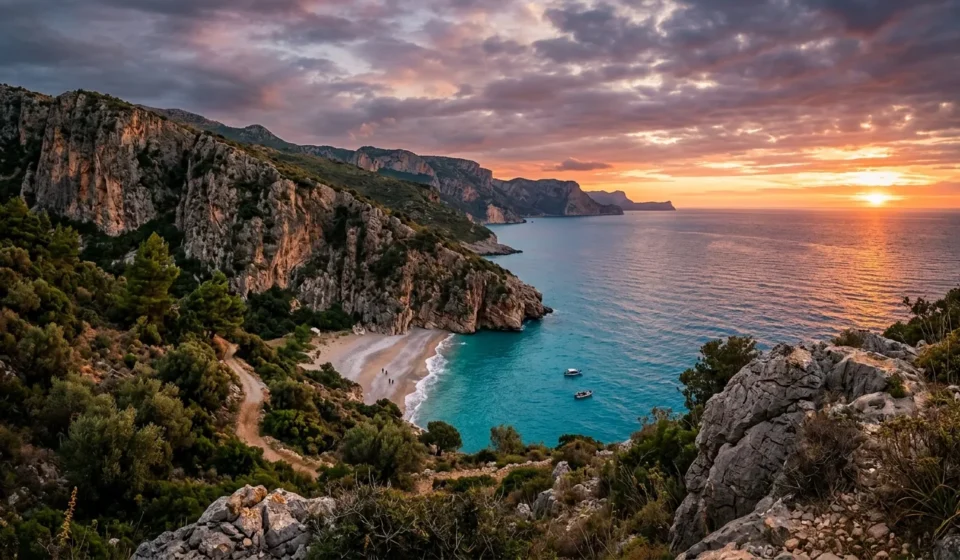

Unlocking Albania: The Last Frontier of European Adventure
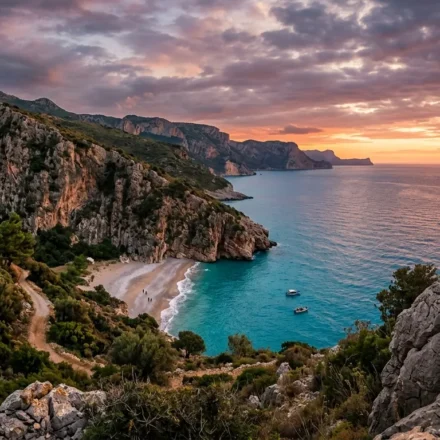
For years, I’ve chased whispers of places untouched by mass tourism, destinations that still hold a raw, authentic charm. And then, there was Albania. Tucked between the Adriatic and Ionian seas, this Balkan nation feels like a carefully guarded secret, a place where ancient history, dramatic landscapes, and genuine hospitality converge.
Table Of Content
- Unlocking Albania: The Last Frontier of European Adventure
- When to Answer Albania’s Call: Best Time to Visit
- Your Budget for Balkan Bliss: Realistic Daily Costs
- How Long to Stay? Crafting Your Albanian Itinerary
- Navigating the Landscape: Transportation in Albania
- Beyond the Postcards: Albania’s True Hidden Gems
- Safety, Etiquette & Traveling Responsibly
It’s not just a country; it’s an experience. Forget the well-trodden paths of Western Europe; Albania offers something different. Something bolder. Something… real. From snow-capped peaks in the north to the shimmering turquoise waters of its southern riviera, Albania is slowly, wonderfully, revealing itself to those willing to look a little closer.
When to Answer Albania’s Call: Best Time to Visit
Timing is everything when exploring a country with such diverse geography. For the best of both worlds – hiking in the mountains and swimming in the sea – aim for the shoulder seasons.
- May-June: The weather is warm and pleasant across the country. Wildflowers bloom in the mountains, and the sea is inviting but not yet packed. Temperatures average 20-25°C (68-77°F).
- September-October: The summer crowds have thinned, but the water remains warm enough for swimming. The autumn light makes the landscapes even more dramatic. Expect similar temperatures to late spring.
- July-August: Peak season, especially along the coast. It gets hot (up to 35°C/95°F) and busy, but if you’re solely focused on beach holidays, this is your window.November-April: Colder and wetter, especially in the mountains where snow is common. Great for exploring cities like Tirana or Berat without tourists, but many coastal towns and mountain guesthouses close down.
Your Budget for Balkan Bliss: Realistic Daily Costs
Albania is a budget traveler’s dream. It’s significantly more affordable than its Western European counterparts, offering incredible value without sacrificing experience.
- Accommodation: Expect to pay €15-30 for a hostel dorm, €25-50 for a private room in a guesthouse (like the charming, family-run Guesthouse Mangalemi in Berat, offering stunning castle views for around €40/night), and €50-80 for a mid-range hotel.
- Food: A delicious traditional meal (think tavë kosi or fresh seafood) in a local restaurant will set you back €5-10. Street food like byrek is €1-2. Groceries are also very cheap if you prefer to cook.
- Transport: Local buses or furgons (shared minibuses, the backbone of Albanian travel) cost €3-15 for intercity routes, depending on distance. A taxi within a city is usually €3-5.
A realistic daily budget for a comfortable traveler hovers around €30-50 per person, excluding major excursions or splurges.
How Long to Stay? Crafting Your Albanian Itinerary
To truly get a feel for the country, I recommend at least 10-14 days. This allows you to explore the vibrant capital, Tirana, delve into the UNESCO cities of Berat and Gjirokastër, relax on the Riviera, and even venture into the dramatic Albanian Alps.
- One Week: Focus on Tirana, Berat, and a quick hop to the coast (e.g., Durrës or Vlorë).
- Two Weeks: Expand to include Gjirokastër, the stunning beaches of Ksamil or Himarë, and a multi-day trek in the Valbona Valley and Theth National Park.
- Three Weeks+: Perfect for slow travel – settling into a village for a few days, exploring the northern lakes (Shkodër), or even crossing into neighboring Montenegro or North Macedonia.
Navigating the Landscape: Transportation in Albania
The most authentic way to travel is by furgon. These privately owned minibuses run frequent routes between cities and towns. There aren’t fixed schedules online; you just show up at the local bus station (or often, a specific street corner) and wait for one to fill up. It’s chaotic, yes, but efficient and wonderfully local. Ask your guesthouse for departure points.
- Intercity Buses: Larger buses connect major cities, offering a bit more comfort than furgons. Look for them at designated bus terminals. Prices are similar to furgons.
- Car Rental: Offers maximum flexibility, especially for exploring remote areas like the Llogara Pass or the Riviera’s hidden coves. Roads can be challenging, though, especially in mountainous regions. Expect €25-40/day for a basic car.
- Ferries: Essential for reaching the beautiful Koman Lake, which is often part of the journey to Valbona Valley. The ferry ride itself is a sight to behold.
Beyond the Postcards: Albania’s True Hidden Gems
While Berat and Gjirokastër are must-sees, here are a couple of spots that truly capture Albania’s untamed spirit:
- Theth National Park (Albanian Alps): Accessible via a challenging but rewarding drive from Shkodër, or the iconic Koman Lake ferry + furgon route. The village of Theth (approx. coordinates: 42.4042° N, 19.7719° E) is a haven for hikers. Stay at a local guesthouse like Guesthouse Marashi for around €25-35/night, including home-cooked breakfast and dinner. Hike to the Blue Eye of Theth, Valbona Pass, or the Grunas Waterfall. It’s raw, it’s beautiful, and it’s where you truly feel the besa – the Albanian code of honor and hospitality.
- Osumi Canyon: Often called the “Grand Canyon of Albania,” this stunning natural wonder near Çorovodë offers incredible rafting opportunities (seasonal, usually spring) or simply breathtaking views from above. It’s less touristy than the coastal areas and provides a glimpse into Albania’s rugged interior.
- Zvernec Island Monastery: A serene 13th-century Byzantine monastery nestled on a small island in Narta Lagoon, near Vlorë. A long, wooden pedestrian bridge connects it to the mainland. It’s a peaceful escape and a fantastic spot for photography, especially at sunset. Not many guidebooks feature it prominently, making it feel like a personal discovery.
Safety, Etiquette & Traveling Responsibly
Albania is generally safe, but common sense prevails. Petty crime can occur in crowded areas. Always keep an eye on your belongings. One counterintuitive tip? Don’t be surprised by the countless concrete bunkers scattered across the landscape. They’re a relic of the communist era, a stark reminder of its isolationist past, and now largely harmless, often painted or repurposed.
- Cultural Etiquette: Albanians are incredibly hospitable. A simple “Përshëndetje” (hello) and “Faleminderit” (thank you) go a long way. Dress modestly when visiting religious sites. Tipping isn’t mandatory but appreciated for good service.
- Sustainable Travel: Support local businesses, especially guesthouses and restaurants. Minimize plastic use. If you’re hiking, pack out everything you pack in. Albania’s natural beauty is its greatest asset; let’s help preserve it.
Albania might be Europe’s last secret, but it won’t stay that way forever. Its charm lies in its rawness, its history, and the genuine warmth of its people. Are you ready to discover a side of Europe you never knew existed? What hidden corners will you uncover?