





Forget the rush. Forget the crowded tour buses. If you’re dreaming of a Portuguese escape that truly nourishes the soul, where the journey is as captivating as the destination, then a slow travel adventure through the Douro Valley by train is calling your name. This isn’t just about seeing sights; it’s about savoring moments, connecting with the land, and letting the world slow down to the rhythm of a historic railway line.
Table Of Content
- Why the Douro Valley by Train is Your Next Slow Travel Adventure
- Best Time to Visit & Recommended Duration
- Planning Your Douro Train Journey: Logistics and Budget
- Key Stops & Hidden Gems Along the Douro Line
- Peso da Régua: The Gateway to the Douro
- Pinhão: The Heart of the Vineyards
- Pocinho: The End of the Line
- Savoring the Douro: Wine, Food, and Culture
- Wine Tastings and Quinta Experiences
- Local Flavors: Beyond the Wine
- Responsible Travel in the Douro and Final Tips
- Frequently Asked Questions
- What is slow travel and how does it relate to the Douro Valley?
- What is the best time to visit the Douro Valley?
- How long should I spend in the Douro Valley for a proper slow travel experience?
- How do I plan my train journey to the Douro Valley?
- What is a realistic daily budget for a trip to the Douro Valley?
I’ve explored countless corners of this planet, but few places have captured my heart quite like the Douro. The way the terraced vineyards cascade down to the river, the scent of grapes hanging heavy in the air, the genuine warmth of the locals – it’s pure magic. And honestly, there’s no better way to experience it than from the window of a train, watching the landscape unfold at a leisurely pace. Ready to swap your usual itinerary for an unforgettable journey into Portugal’s liquid gold country?
Why the Douro Valley by Train is Your Next Slow Travel Adventure
Let’s talk about slow travel first, a term you’ll hear me use a lot here at Destination Wanderer. It’s more than just taking your time; it’s a philosophy. It means immersing yourself in a destination, connecting with local culture, reducing your environmental footprint, and prioritizing genuine experiences over ticking off a checklist of attractions. And for the Douro, the train is the ultimate enabler of this philosophy.
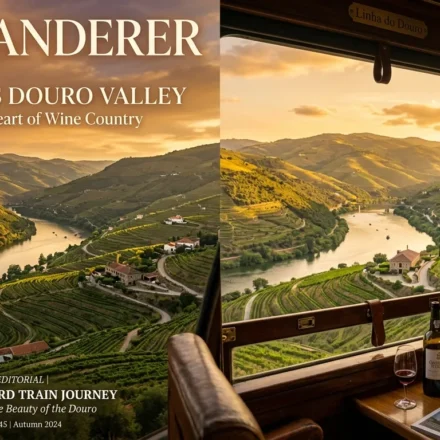
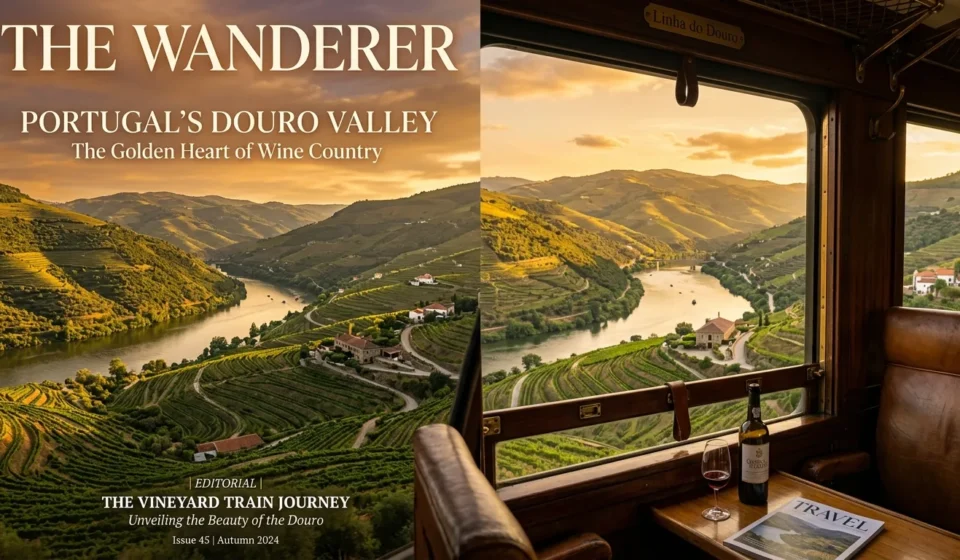
The Linha do Douro, the railway line that hugs the river from Porto (specifically Campanhã station) all the way to Pocinho, offers unparalleled views that you simply won’t get from a car. Imagine gazing out at UNESCO World Heritage-listed landscapes, where centuries-old terraced vineyards cling to steep hillsides, interrupted only by charming villages and the shimmering Douro River below. No need to navigate winding roads or worry about parking; just sit back and let the scenery wash over you. It’s an opportunity to truly disconnect and appreciate the beauty around you, making it one of the most scenic train journeys in Europe.
Best Time to Visit & Recommended Duration
Timing is everything for a truly authentic Douro experience. I firmly believe the shoulder seasons (April-May and September-October) are ideal. In spring, the valley bursts with wildflowers, and the vines are a vibrant green, promising pleasant temperatures without the intense summer heat or crowds. Come autumn, you’ll witness the magic of the grape harvest (vindima), with bustling activity in the vineyards and the leaves turning glorious shades of gold and crimson.
Regarding duration, for a proper slow travel experience, I recommend spending at least 3 to 5 full days in the Douro Valley. A single day trip from Porto is possible, but it barely scratches the surface. To truly immerse yourself, you need time to explore a couple of towns, visit a few quintas (wine estates), and simply relax by the river. This allows for deeper cultural engagement and more spontaneous discoveries, which is what slow travel is all about.
Planning Your Douro Train Journey: Logistics and Budget
Getting to the Douro Valley by train is surprisingly straightforward. The main starting point is Porto’s Campanhã station, easily accessible from the city center. You’ll be taking regional trains (CP – Comboios de Portugal) along the Linha do Douro. While you can buy tickets on the day, I’d suggest purchasing them a day or two in advance, especially during peak shoulder season, to guarantee your spot on preferred trains.
Realistic Daily Budget (per person):
- Accommodation: Expect to pay €60-€100 per night for a charming guesthouse or a mid-range quinta stay. More luxurious options can go higher, but for value, aim for family-run places.
- Food: €30-€50 per day. This includes delicious local lunches (often a fixed-price prato do dia) and dinners with a glass or two of local wine.
- Transport: Train tickets from Porto to Pinhão or Pocinho are incredibly affordable, usually between €10-€15 one-way, depending on your destination. Factor in a few euros for local taxis or transfers if visiting specific quintas away from the stations.
- Activities: Wine tastings and quinta tours typically range from €15-€30 per person. Boat trips (rabelo boats) are around €10-€20.
This puts a comfortable slow travel budget at roughly €100-€150 per person per day, allowing for good food, comfortable stays, and enjoyable activities without feeling like you’re constantly counting pennies. You can certainly do it for less if you opt for picnics and simpler accommodations.
Key Stops & Hidden Gems Along the Douro Line
While the entire Linha do Douro is a scenic marvel, certain stops are essential for any slow traveler. Let’s delve into a few must-sees and some lesser-known spots.
Peso da Régua: The Gateway to the Douro
Régua, as it’s commonly known, is often considered the “capital” of the Douro wine region. It’s a bustling town and a great first stop to understand the valley’s history. Visit the Douro Museum (Museu do Douro) to grasp the region’s rich viticultural heritage. It’s a fantastic introduction before you dive deeper into wine tasting. I remember spending a fascinating afternoon there, learning about the arduous process of cultivating port wine – it really made me appreciate every sip later on!
Pinhão: The Heart of the Vineyards
This is arguably the most picturesque stop on the line. Pinhão station itself is a gem, adorned with beautiful azulejo tiles depicting scenes of the Douro harvest. From here, you’re perfectly positioned to explore. Many quintas are within walking distance or a short taxi ride. Consider staying at a place like Casa de Gouvães (GPS: 41.1718, -7.5925), a charming, rustic guesthouse just outside Pinhão offering incredible views and a true taste of local hospitality for around €80/night.
For a hidden gem, take a short, scenic walk (about 30-40 minutes uphill from Pinhão center) to the Casal de Loivos Viewpoint (Miradouro de Casal de Loivos, GPS: 41.1603, -7.5758). The panoramic views of the Douro River winding through terraced vineyards are absolutely breathtaking, especially at sunset. It’s usually less crowded than some of the more famous viewpoints and offers a moment of serene reflection.
Pocinho: The End of the Line
While Pocinho itself isn’t a major tourist hub, reaching the end of the Linha do Douro is an achievement in itself. From here, you can consider exploring more remote areas by bus or taxi if you’re truly seeking untouched villages, or simply enjoy the feeling of having traversed the entire line. The journey there is the reward.
Savoring the Douro: Wine, Food, and Culture
Of course, a trip to the Douro wouldn’t be complete without indulging in its namesake: port wine! But it’s also about so much more. This region boasts incredible gastronomy, deeply rooted in its agricultural heritage.
Wine Tastings and Quinta Experiences
In Pinhão, I highly recommend visiting Quinta do Bomfim, owned by the Symington family, for a comprehensive tour and tasting. It’s well-organized and offers stunning river views. For a more intimate, family-run experience, look for smaller quintas further afield. Many offer not just tastings but also traditional lunches. For example, Quinta da Pacheca, near Régua, offers excellent tours and even accommodation, but book ahead as it’s popular.
Remember, when visiting a quinta, it’s polite to book in advance, even if it’s just an hour or two before. This shows respect for their schedule and allows them to prepare for your visit. Always try to support smaller, local producers where possible – it’s a core tenet of responsible travel and often leads to more authentic encounters.
Local Flavors: Beyond the Wine
The Douro’s cuisine is hearty and delicious. Don’t miss trying Bacalhau à Brás (shredded cod with onions, potatoes, and scrambled eggs) or the regional specialty, Cabrito Assado (roasted kid goat). For a simpler, more local experience, seek out a small tavern for a Francesinha, a famous Porto sandwich, though admittedly very rich! For example, imagine this situation: you’ve just finished a delightful wine tasting at a quinta. Instead of heading to a fancy restaurant, you spot a tiny, unassuming eatery with a handwritten menu. Venture in! You might discover the best Alheira de Mirandela (smoked game sausage) of your life, served with a genuine smile and a glass of local table wine for a fraction of the price of a tourist trap.
Responsible Travel in the Douro and Final Tips
As seasoned wanderers, we know the importance of leaving a place better than we found it. In the Douro, this means a few things:
- Support Local: Choose independent guesthouses, dine at family-run restaurants, and buy crafts or produce directly from local markets.
- Respect the Environment: The Douro is a fragile ecosystem. Stick to marked paths, dispose of your waste properly, and minimize plastic use. Tap water is generally safe to drink, so carry a reusable bottle.
- Cultural Etiquette: Greet locals with a polite “Olá” or “Bom dia/Boa tarde.” A simple “Obrigado/Obrigada” (thank you, male/female) goes a long way. The pace of life here is slower; embrace it. Don’t rush conversations or expect instant service.
My final piece of advice? Embrace the unexpected. The Douro Valley is not a place to rush through. Let yourself be guided by the river, by the railway, and by the friendly faces you meet. Strike up a conversation with a fellow passenger on the train, ask a local for their favorite hidden spot, or simply sit on a bench overlooking the vineyards and watch the world go by. That, my friends, is where the real magic of slow travel unfolds.
So, what are you waiting for? Start planning your Douro Valley train adventure. Let the majestic landscapes, the exquisite wines, and the warm Portuguese hospitality create memories that will linger long after you’ve returned home. This isn’t just a trip; it’s an experience that will redefine your idea of travel. Safe journeys, and enjoy every breathtaking moment!
Frequently Asked Questions
What is slow travel and how does it relate to the Douro Valley?
Slow travel is a philosophy that involves immersing yourself in a destination, connecting with local culture, reducing your environmental footprint, and prioritizing genuine experiences over ticking off a checklist of attractions. The Douro Valley is an ideal destination for slow travel, with its scenic train journey and opportunities to connect with local culture and appreciate the natural beauty of the area.
What is the best time to visit the Douro Valley?
The best time to visit the Douro Valley is during the shoulder seasons, which are April-May and September-October. During these periods, the valley is less crowded, and the weather is pleasant, with wildflowers blooming in the spring and the grape harvest taking place in the autumn.
How long should I spend in the Douro Valley for a proper slow travel experience?
To truly immerse yourself in the Douro Valley, it's recommended to spend at least 3 to 5 full days in the area. This allows for deeper cultural engagement, visiting a few quintas, and simply relaxing by the river, which is what slow travel is all about.
How do I plan my train journey to the Douro Valley?
The main starting point for the train journey is Porto's Campanhã station, which is easily accessible from the city center. You can take regional trains along the Linha do Douro, and it's recommended to purchase tickets a day or two in advance, especially during peak shoulder season, to guarantee your spot on preferred trains.
What is a realistic daily budget for a trip to the Douro Valley?
A realistic daily budget for a trip to the Douro Valley can include accommodation costs of €60-€100 per night for a charming guesthouse or mid-range quinta stay, food costs of €30-€50 per day, and transport costs of €10-€15 one-way for train tickets from Porto to Pinhão or Pocinho.