





Unveiling the Underwater Wonders of the Caribbean
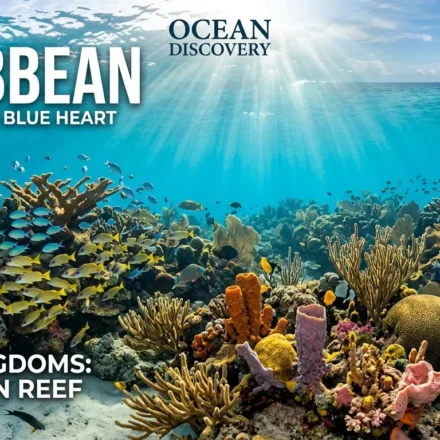
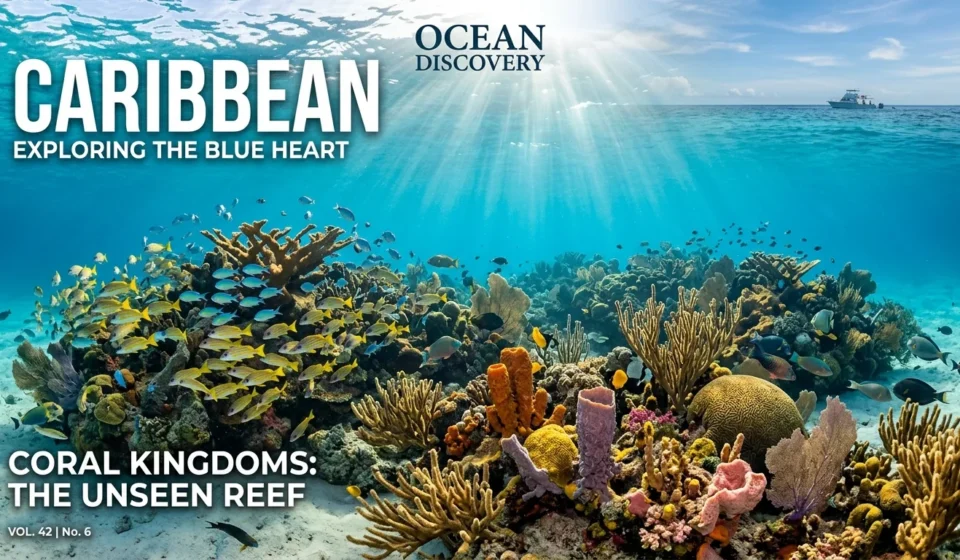
Imagine this: you slip into the warm, turquoise embrace of the Caribbean Sea, and suddenly, a whole new world explodes before your eyes. Schools of iridescent fish dart through technicolor coral gardens, a majestic sea turtle glides past with serene grace, and sunlight filters through the water, illuminating ancient shipwrecks. This isn’t a dream, my friend; it’s the everyday reality of exploring the Caribbean’s underwater realm. As a seasoned wanderer who’s spent countless hours beneath these waves, I can tell you that for snorkelers and divers alike, this region is an absolute treasure chest of marine biodiversity.
Table Of Content
- Unveiling the Underwater Wonders of the Caribbean
- Choosing Your Underwater Playground: Best Time and Top Spots
- Beginner-Friendly Snorkeling Havens
- Thrilling Scuba Diving Meccas
- Planning Your Underwater Escape: Budgets, Logistics & Responsible Travel
- Realistic Budgets & Stays
- Getting Around & Booking Your Dives
- Safety, Etiquette, and Sustainable Practices
- Beyond the Reef: Cultural Immersion & Local Flavors
- Ready to Take the Plunge?
But with so many islands, how do you choose? Which spots offer the best chances for encountering elusive marine life, and which are perfect for a beginner’s first fin kick? Don’t worry, I’ve got you covered. Forget those generic “top 10 lists.” We’re going deeper, uncovering the practicalities, the hidden gems, and the responsible ways to experience this underwater paradise without breaking the bank or harming its delicate ecosystems. Let’s find your perfect splashdown spot.
Choosing Your Underwater Playground: Best Time and Top Spots
The Caribbean is a year-round destination, but for optimal diving and snorkeling conditions, aim for the dry season, which typically runs from December to May. During these months, you’ll find calmer seas, excellent visibility (often 60-100 feet or more!), and fewer mosquitos. The air temperatures are comfortably warm (mid-70s to low 80s Fahrenheit), and the water temperature hovers around a delightful 78-82°F (25-28°C). If you’re looking to snag better deals and avoid peak crowds, consider the “shoulder season” – May-June and November. Just be aware that November still carries a slight risk of lingering tropical storms, but it can be a fantastic time for budget travelers.
Beginner-Friendly Snorkeling Havens
If you’re new to the underwater world or just prefer the simplicity of snorkeling, certain islands offer incredibly accessible and vibrant shallow reefs. My personal pick? Bonaire. It’s often touted as the “Diver’s Paradise,” but its calm, clear waters and abundant shore entry points make it a snorkeler’s dream too. You can literally walk into the water from many beaches and be greeted by parrotfish, angelfish, and even octopus. For an unforgettable experience, head to Lac Bay on Bonaire’s east coast (GPS: 12.1121° N, 68.2393° W). While famous for windsurfing, the protected southern part of the bay, especially near Sorobon Beach, offers shallow, crystal-clear water perfect for spotting baby reef fish and even juvenile barracuda in the seagrass beds and mangroves. No need for a boat, just grab your gear and wade in!
Another fantastic option for snorkelers is the Cayman Islands, particularly Grand Cayman’s famous Stingray City. While popular, the interaction with friendly southern stingrays in their natural habitat is truly unique. For something less crowded, try the barrier reef off Ambergris Caye in Belize. The Hol Chan Marine Reserve is breathtaking, but for a quieter experience, explore the shallower patches further north, often accessible directly from resorts or with short boat trips.
Thrilling Scuba Diving Meccas
For certified divers, the Caribbean opens up a whole new level of adventure. Bonaire, again, is simply unparalleled for shore diving. Imagine pulling up to a yellow rock marked “Hilma Hooker” (GPS: 12.0673° N, 68.2872° W), gearing up, and swimming out to a magnificent shipwreck teeming with life, all on your own schedule. Dive shops like Buddy Dive Resort or Dive Friends Bonaire offer drive-and-dive packages where you get a rental truck and unlimited tanks, making exploration incredibly flexible. Expect to pay around $80-150 for a two-tank boat dive, or significantly less per dive if you’re shore diving with your own tanks.
For dramatic topography and volcanic vents, Dominica is a hidden gem. Known as the “Nature Isle,” its underwater landscape mirrors its rugged surface. Champagne Reef (GPS: 15.2285° N, 61.3789° W) is a must-see for both divers and snorkelers, where volcanic vents release warm bubbles, creating an otherworldly effervescent experience. For more advanced divers, the pinnacles and walls around Scotts Head offer exhilarating drift dives and encounters with larger pelagics. I remember staying at the family-run Castle Comfort Dive Lodge in Dominica for about $120/night, which included breakfast and easy access to their dive boat – a perfect base for exploration.
And then there’s Tobago, a smaller, less-trafficked gem. The northeast coast around Speyside village is a diver’s paradise, home to some of the healthiest reefs in the Caribbean. Here, you can experience the thrilling drift dives of the Japanese Gardens or Kelleston Drain, where the currents bring in schooling fish and often giant manta rays. I once had a dive off Speyside where a curious eagle ray circled me for a good five minutes – an unforgettable encounter! You’ll find excellent dive operations like Blue Waters Inn Dive ‘n’ Tour and World of Watersports, with two-tank dives costing around $100-120. A charming, family-run guesthouse in Speyside, like the one I stayed at years ago for about $60/night, offers incredible value and local flavor.
Planning Your Underwater Escape: Budgets, Logistics & Responsible Travel
Now that your wanderlust is officially sparked, let’s talk practicalities. As we always say at Destination Wanderer, planning smart means more amazing experiences.
Realistic Budgets & Stays
A realistic daily budget for a comfortable, mid-range Caribbean diving/snorkeling trip, excluding flights, could be anywhere from $150 to $250 per person. This typically breaks down like this:
- Accommodation: Guesthouses or self-catering apartments can be found for $70-120/night. Mid-range hotels or smaller dive lodges might run $120-200/night.
- Food: Eating at local eateries (“roti shops,” “cook shops”) will cost $10-20 per meal. Dining at tourist-oriented restaurants can easily be $30-50+ per meal. Buying groceries and cooking some of your meals can significantly cut costs.
- Diving/Snorkeling: A two-tank boat dive is usually $80-150. Snorkel gear rental is about $10-20/day, or you can buy your own set for $50-100.
- Transport: Local buses are cheap ($1-5). Taxis can add up quickly ($10-30 for short trips). Renting a car (especially in Bonaire) is often economical if you plan to do a lot of shore diving or exploring, averaging $40-60/day.
For a truly immersive experience, I recommend a stay duration of 7-10 days. This gives you enough time to get in multiple dives or snorkeling sessions, explore the island’s topside attractions, and truly soak in the local culture without feeling rushed. Remember, this isn’t a race; it’s an adventure!
Getting Around & Booking Your Dives
Inter-island travel in the Caribbean is often by regional flights (like with LIAT or small charters), which can be pricey. Within islands, shared taxis, local buses, or rental cars are your best bet. For diving, especially in more remote spots, it’s wise to book your dive trips a few days in advance, especially during peak season. Always choose dive operators with strong safety records and positive reviews. Look for PADI or SSI certified centers, and don’t hesitate to ask about their equipment maintenance and safety protocols.
Safety, Etiquette, and Sustainable Practices
Your safety is paramount. Always dive or snorkel with a buddy, stay within your certification limits, and never touch marine life. Currents can be unpredictable, so pay attention to your dive guide’s briefings. Stay hydrated and be aware of boat traffic, especially in busy areas. For cultural etiquette, remember you’re a guest. Dress modestly when in towns, especially if visiting religious sites, and a simple “hello” or “good morning” in the local language (e.g., Papiamento in Bonaire, English with a local accent in Dominica/Tobago) goes a long way.
On the sustainability front, please use reef-safe sunscreen (free of oxybenzone and octinoxate). Never touch, stand on, or take anything from the reef – “take only pictures, leave only bubbles.” Support local businesses, minimize your waste, and dispose of trash properly. Our reefs are precious, and it’s our collective responsibility to protect them for future generations of Destination Wanderers.
Beyond the Reef: Cultural Immersion & Local Flavors
While the underwater world is undoubtedly the main draw, don’t forget the vibrant cultures and delicious food waiting on land. After a day of exploring coral gardens, there’s nothing quite like savoring a fresh catch at a beachside shack, sampling a spicy jerk chicken, or enjoying a local rum punch as the sun dips below the horizon. In Dominica, explore the rainforests and waterfalls; in Bonaire, visit the salt pans and flamingos; in Tobago, hike through the Main Ridge Forest Reserve, the oldest protected rainforest in the Western Hemisphere.
These experiences provide a holistic view of the Caribbean, blending adventure with authentic cultural encounters. Honestly, that’s where the real magic happens – the blend of the incredible natural world with the warmth of the local people.
Ready to Take the Plunge?
The Caribbean truly is an unparalleled destination for anyone captivated by the ocean’s depths. Whether you’re a first-time snorkeler or a seasoned diver, there’s a perfect spot waiting for you, brimming with life and adventure. From the vibrant shore dives of Bonaire to the volcanic wonders of Dominica and the manta ray encounters off Tobago, each island offers a unique underwater story. So, what are you waiting for? Grab your mask, pack your bags, and prepare to discover a world beneath the waves that will undoubtedly leave you breathless. The Caribbean’s underwater wonders are calling – answer that call responsibly, respectfully, and with an open heart for adventure.