




The Heartbeat of Mexico: Why Local Markets Matter
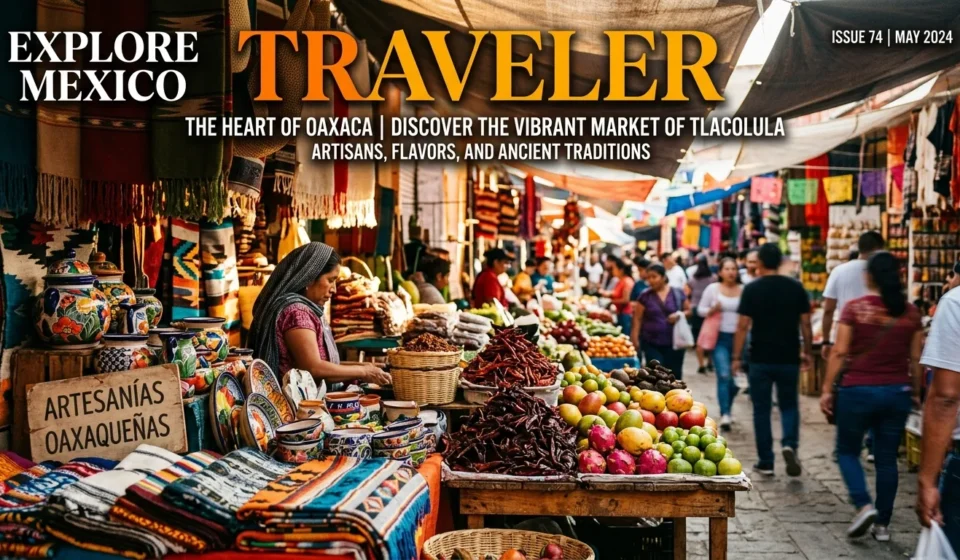
Stepping into a Mexican market isn’t just a shopping trip; it’s an immersion into the country’s very soul. Forget the sterile supermarket aisles; here, every sense comes alive. You’ll hear the lively chatter of vendors calling out their wares, the sizzle of *carnitas* on a griddle, and the rhythmic thwack of tortillas being pressed. The air is thick with the scent of fresh cilantro, exotic fruits, roasting chilies, and sweet pastries. This, my friend, is where real life happens in Mexico.
Table Of Content
- The Heartbeat of Mexico: Why Local Markets Matter
- Understanding Mexico’s Market Landscape
- What to Feast On: A Culinary Adventure
- Street Food Staples You Can’t Miss
- Exotic Fruits & Local Delights
- Beyond the Bites: What to Buy & Bring Home
- Artisanal Crafts & Souvenirs
- Everyday Essentials (and Hidden Treasures)
- Navigating Like a Pro: Tips for an Authentic Experience
- Best Time to Visit & Budgeting
- Safety, Etiquette & Sustainable Travel
- Finding the “Hidden Gems”: Specific Market Examples
For over 15 years, I’ve crisscrossed Mexico, and I can tell you firsthand: the markets are where you truly connect with local culture, taste authentic flavors, and find unique treasures. They are the arteries of community, commerce, and culinary tradition. But what makes these markets so special? Beyond the sheer abundance, it’s the unfiltered authenticity – a vibrant, chaotic, and utterly charming reflection of Mexican life.
Understanding Mexico’s Market Landscape
Before you dive in, it helps to know what kind of market you’re stepping into. The two main types you’ll encounter are the Mercado Municipal and the Tianguis. A Mercado Municipal (municipal market) is a permanent, indoor structure, typically open daily. Think of it as a community hub where you can find everything from fresh produce, meats, and spices to household goods and prepared foods. They’re often organized by sections, making them a little easier to navigate for first-timers.
Then there are the Tianguis (tee-AHN-gees). This term refers to traditional open-air, temporary markets that often pop up on specific days of the week in various neighborhoods. They’re usually sprawling, dynamic, and perhaps a bit more overwhelming but incredibly rewarding. Here, you’ll find a wider array of artisanal goods, used items, and a truly local vibe. In my opinion, the *tianguis* offer the most authentic experience, giving you a glimpse into the everyday rhythm of Mexican life.
What to Feast On: A Culinary Adventure
Honestly, half the reason to visit a Mexican market is for the food. You could spend an entire day just sampling the incredible array of snacks, meals, and drinks. This is where you taste Mexico beyond the resort buffets and tourist-trap restaurants. Get ready to awaken your taste buds!
Street Food Staples You Can’t Miss
Prepare for a parade of flavors. You absolutely must try the tacos, of course, but go beyond the familiar. Look for *tacos de canasta* (basket tacos), *tacos al pastor* (spit-roasted pork with pineapple), or *tacos de suadero* (a thin cut of beef). Another essential is a *quesadilla* – often made with fresh, hand-pressed tortillas and filled with squash blossoms (*flor de calabaza*), huitlacoche (corn smut, a delicacy!), or mushrooms, not just cheese. Don’t forget the *sopes* (thick corn tortillas with toppings) and *tlacoyos* (oval-shaped masa cakes, often filled with beans or cheese).
For a refreshing treat, grab an *agua fresca* – fresh fruit waters in flavors like *horchata* (rice milk), *jamaica* (hibiscus), or *tamarindo*. And for something truly unique, try *esquites* (roasted corn kernels served in a cup with mayonnaise, cheese, chili, and lime). A quick word on hygiene: always observe where the locals are eating. Look for stalls with high turnover and clean surfaces. If a vendor is busy, it’s usually a good sign that their food is fresh and delicious.
Exotic Fruits & Local Delights
Beyond the cooked food, the produce sections are a kaleidoscope of colors and scents. You’ll find familiar fruits alongside incredible tropical varieties you might never have seen. Don’t be shy – ask to try a slice! Look for *mamey* (a sweet, creamy fruit tasting like sweet potato and almond), *guanabana* (soursop, with a tangy, citrusy flavor), or the vibrant pink *pitaya* (dragon fruit). You’ll also see bundles of *nopales* (cactus paddles), which are delicious grilled or stewed.
Anecdote: I remember my first time at Mercado de Coyoacán in Mexico City. I saw a stall piled high with what looked like small, reddish bugs. “Chapulines!” the vendor chirped, offering me a sample. These toasted grasshoppers, seasoned with chili and lime, were crunchy, salty, and surprisingly delicious. It was a moment of pure culinary adventure, a reminder that the best market experiences push you out of your comfort zone and reward you with unforgettable flavors.
Beyond the Bites: What to Buy & Bring Home
Once your belly is full, it’s time to explore the non-edible treasures. Mexican markets are a fantastic place to find authentic, handmade souvenirs and practical goods that tell a story.
Artisanal Crafts & Souvenirs
From vibrant textiles to intricate pottery, Mexico’s artisan traditions are rich and varied. Look for hand-embroidered blouses (*huipiles*), woven blankets, and colorful tapestries. Pottery ranges from practical kitchenware to decorative Talavera tiles. Silver jewelry, especially from places like Taxco, is also a popular buy. Leather goods, like sandals and bags, are often of excellent quality and much more affordable than back home. Remember, these are often small businesses or individual artisans, so your purchase directly supports local communities.
Everyday Essentials (and Hidden Treasures)
Don’t overlook the everyday items. The spice stalls are a feast for the eyes and nose, offering everything from dried chilies in every conceivable variety to vanilla beans and local herbs. Coffee from Oaxaca or Chiapas is often available directly from small producers. You might even stumble upon unique remedies or traditional medicines. To be fair, some markets are better for crafts (like Mercado de Artesanías de Coyoacán in CDMX), while others are more focused on food or household goods. But you’ll almost always find something delightful.
When it comes to prices, here’s a crucial tip: bargaining is expected, but do it respectfully. Start by offering about 10-20% less than the asking price, especially for larger purchases. Keep a friendly demeanor, and if you’re buying multiple items from the same vendor, you’ll often get a better deal. Don’t haggle over a few pesos for a taco, though; that’s just rude. The general rule is: if it has a sticker price, it’s usually fixed. If it doesn’t, you can politely negotiate.
Navigating Like a Pro: Tips for an Authentic Experience
So far we’ve covered the delicious eats and the beautiful buys. Now let’s get to the really critical point: how to navigate these bustling hubs with confidence and respect, ensuring you have a safe, enjoyable, and truly authentic experience.
Best Time to Visit & Budgeting
The best time to visit most Mexican markets is in the morning, ideally between 8:00 AM and 11:00 AM. This is when the produce is freshest, the crowds are usually manageable, and the vendors are just setting up, often more open to a friendly chat. By afternoon, some stalls might start packing up, and the freshest items might be gone. As for budgeting, markets are incredibly wallet-friendly. You can easily eat a full, delicious meal for $3-5 USD, and if you stick to market food, you could realistically spend only $10-15 USD a day on food and drinks. For crafts, set a budget for yourself, but be prepared to be tempted!
Safety, Etiquette & Sustainable Travel
Safety first: markets can be crowded, making them prime spots for pickpockets. Carry your money in a secure, hidden pouch or front pocket. Avoid flashing expensive cameras or jewelry. Keep your bag zipped and close to your body. As for etiquette, always ask permission before taking photos of vendors or their stalls. A simple “¿Puedo tomar una foto?” (Poo-EH-doh toh-MAR oon-ah FOH-toh?) goes a long way. A few basic Spanish phrases like “Hola” (hello), “Gracias” (thank you), and “Cuánto cuesta?” (How much does it cost?) will enhance your interactions greatly.
For those of us at Destination Wanderer who prioritize responsible travel, remember your reusable shopping bags! Many vendors still use single-use plastic bags. Bringing your own helps reduce waste. Try to minimize food waste by only buying what you’ll eat. Support local by purchasing directly from small farmers and artisans. This isn’t just about being eco-friendly; it’s about being a respectful guest in someone else’s community.
Finding the “Hidden Gems”: Specific Market Examples
While many markets are well-known, the true “hidden gems” are often specific stalls or unique items within them, or the smaller, less touristy *tianguis*. For a taste of the truly exotic, head to Mercado de San Juan in Mexico City (Google Maps link). It’s famous for wild game, insects, and other unusual delicacies. Don’t be afraid to try the *chinicuiles* (maguey worms) or even lion meat if you’re feeling adventurous!
For artisanal crafts, Mercado de Artesanías de Coyoacán, also in Mexico City, is fantastic. It’s across from the main square in Coyoacán. Look for a stall selling hand-painted wooden alebrijes – the mythical, colorful creatures. For a more authentic daily experience outside of CDMX, I highly recommend visiting the Mercado Benito Juárez in Oaxaca. While busy, the true gem is often found by simply wandering and letting your nose guide you to a local *fonda* (small eatery) inside, where you can get a *tlayuda* (Oaxacan pizza) grilled right in front of you for about $4 USD. Just ask locals for “the best tlayuda stall!” – they’ll point you to their favorite. The best markets are often found by simply asking locals in smaller towns “¿Dónde está el tianguis hoy?” (Where is the market today?).
The beauty of Mexican markets lies in their vibrant chaos and endless discoveries. Each visit is a unique adventure. So, arm yourself with a few Spanish phrases, an open mind, and an empty stomach, and prepare to discover the true flavor and spirit of Mexico. Trust me, it’s an experience you won’t soon forget.