





Embrace the World Solo: Your Safety Toolkit for Unforgettable Adventures
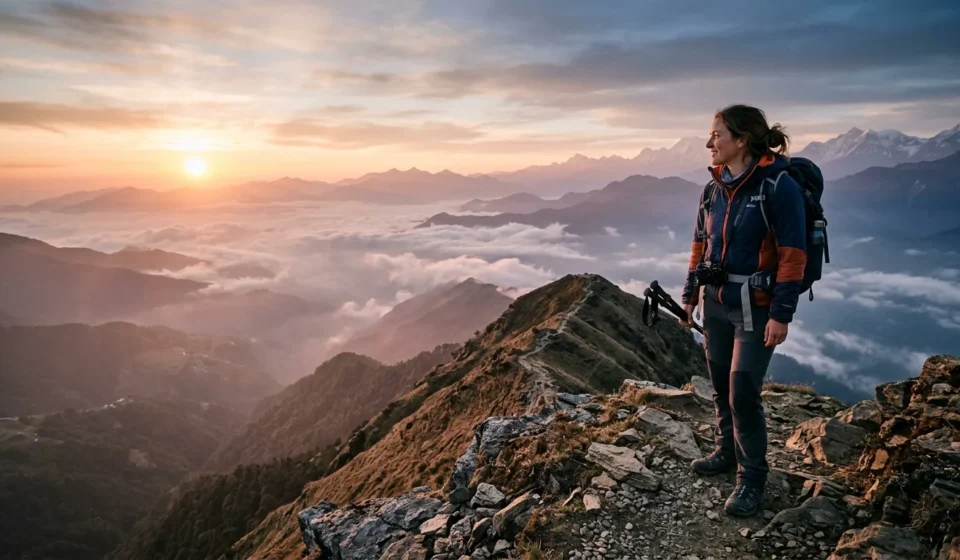
There’s a unique thrill that comes with striking out on your own, a freedom that only Solo Travel can truly offer. For women, the thought of exploring distant lands alone often comes with an added layer of consideration: safety. I get it. Over 15 years of Backpacking through bustling souks, remote mountain villages, and sprawling metropolises have taught me that while the world is overwhelmingly good, being prepared and proactive is your best travel companion. This isn’t about fear; it’s about empowerment. It’s about giving you the tools to travel confidently, knowing you’ve got your own back.
Table Of Content
So, you’re dreaming of that first solo trip, or perhaps you’re a seasoned wanderer looking to refine your safety strategies. Either way, you’re in the right place. Forget generic advice; we’re diving deep into practical, actionable insights gathered from countless miles on the road. Let’s make sure your solo adventures are not just memorable, but also incredibly secure.
The Power of Preparation: Knowledge is Your Best Defense
Before you even pack your first sock, the real journey begins with research. This is where you lay the foundation for a safe and enjoyable trip. Start by thoroughly researching your destination. Look beyond the main tourist attractions; dive into local forums, expat groups, and blogs written by other solo female travelers. Understand the general safety climate, common scams, and any specific areas to avoid. What are the local customs regarding dress and interaction? Knowing these details helps you blend in and avoid unintentional cultural missteps.
Furthermore, prepare your essential documents. Always have digital copies of your passport, visa, flight bookings, and travel insurance details stored securely in the cloud (e.g., Google Drive, Dropbox) and on your phone. Email a copy to a trusted friend or family member back home. It’s also wise to carry a physical photocopy separate from your main documents. This way, if your bag goes missing, you still have proof of identity and important numbers at your fingertips. Honestly, this simple step has saved me headaches more times than I can count.
Finally, establish a communication plan. Share your itinerary, including flight details and accommodation bookings, with a few trusted people back home. Agree on a check-in schedule – maybe a quick text every couple of days or a weekly video call. Let them know if your plans change. This isn’t about being controlled; it’s about having a safety net. Imagine this situation: you’re exploring a remote area with limited signal, and your family back home knows your general whereabouts and when to expect your next update. This peace of mind is invaluable, both for you and for them.
On the Ground: Navigating Your Surroundings Safely
Once you arrive, your awareness becomes your superpower. Situational awareness means being constantly alert to your environment and the people around you, without being paranoid. This includes noticing who is walking behind you, observing body language, and being aware of exits in crowded places. Trust your gut feeling – if a situation or a person feels off, it probably is. Don’t second-guess yourself; remove yourself from the situation. Your intuition is a powerful tool cultivated over millennia, and it’s especially sharp when you’re solo.
Choosing your transportation wisely is another critical aspect. When arriving in a new city, especially at night, pre-arrange airport transfers or use official, reputable taxi services. Avoid unmarked cabs or offers for rides from strangers. For local transport, research common scams and preferred methods. For example, in many Southeast Asian cities, ride-sharing apps like Grab are often safer and more transparent than haggling with local tuk-tuk drivers, as they provide driver details and track your journey. Always ensure the driver knows your destination and that you confirm it with the app before getting in. And don’t be afraid to keep your phone open to the map, even if you know where you’re going; it sends a clear signal that you’re paying attention.
Your accommodation is your sanctuary, so choose it carefully. Always read recent reviews from other solo female travelers. Look for places with 24-hour reception, good security, and central locations that are well-lit and not too isolated. When booking through sites like Booking.com or Hostelworld, pay attention to detailed comments about safety, neighborhood vibes, and staff helpfulness. In my opinion, spending a little extra for a highly-rated, secure guesthouse (like that wonderful family-run guesthouse in the hills above Chefchaouen that cost me about $35/night, but felt like a fortress) is always worth it for peace of mind. Once checked in, make sure your room door locks properly, and use any additional security features like chain locks or door wedges you might carry.
Empowering Yourself: Tools & Mindset for Solo Exploration
Beyond external precautions, cultivating an empowered mindset and carrying a few personal safety items can make a huge difference. Consider carrying a personal safety alarm – a small device that emits a piercing sound when activated. While not a weapon, it can startle an attacker and draw attention, which is often enough to deter. Learning a few basic self-defense moves can also boost your confidence significantly, even if you hope never to use them. Knowing you have the ability to react can change your whole demeanor.
Confidence and assertiveness are your allies. Don’t be afraid to say “no” firmly and clearly to unwanted attention, aggressive vendors, or offers that make you uncomfortable. You don’t owe anyone an explanation. Maintain confident body language – walk with purpose, make eye contact when appropriate, and avoid looking lost (even if you are, discretely check your map on your phone). To be fair, blending in is also key. Observe how local women dress and try to adapt your attire to respect cultural norms. This reduces unwanted attention and shows respect for the community you’re visiting.
Let me add something here: while it’s fantastic to be open to new experiences, not every offer of help or friendship is genuine. It’s okay to be discerning. If someone is being overly friendly or insistent, especially when trying to guide you somewhere or sell you something, maintain a healthy skepticism. Politely decline and move on. Your safety always comes first, and it’s okay to prioritize your well-being over being polite.
Handling the Unexpected: When Things Go Wrong
Even with the best preparation, unexpected situations can arise. Knowing how to react calmly and effectively is crucial. Before you leave, save important emergency contacts on your phone, including the local emergency number (e.g., 911 in the US, 112 in Europe, 999 in UK/Singapore/Malaysia), and the contact details for your country’s embassy or consulate in your destination. Keep a physical note of these numbers too, in case your phone dies or is lost. This is not about expecting trouble, but being ready for it. What would you do in this situation if your phone suddenly died and you needed immediate assistance?
In the unfortunate event of theft or loss, report it immediately to the local police. While it might feel like a hassle, a police report is often essential for insurance claims and replacing documents. Have a plan for accessing emergency funds; this might involve a separate debit card, an emergency credit card, or knowing how to use services like Western Union for a trusted person to send you money. I always carry a small amount of emergency cash in a hidden pouch, just in case my main wallet gets lost or stolen.
Finally, prioritize your health. Travel insurance is non-negotiable for solo female travelers. Ensure your policy covers medical emergencies, evacuation, and trip cancellations. Carry a small, well-stocked first-aid kit with essentials like pain relievers, bandages, antiseptic wipes, any personal medications, and possibly rehydration salts. Know the names of reputable clinics or hospitals near your accommodation. Taking care of your physical well-being ensures you have the energy and resilience to navigate any challenges that come your way.
Traveling solo as a woman is one of the most enriching, empowering experiences you can have. It pushes your boundaries, builds incredible confidence, and opens your eyes to the world in a way nothing else can. By taking these practical steps, from thorough preparation to on-the-ground awareness and a confident mindset, you’re not just hoping for a safe trip – you’re actively creating one. So, go ahead, plan that adventure you’ve been dreaming of. The world is waiting, and with these tips from Destination Wanderer, you’re more than ready to explore it safely and confidently, one incredible journey at a time.