





Laying the Groundwork: Smart Planning for a Safe Trip
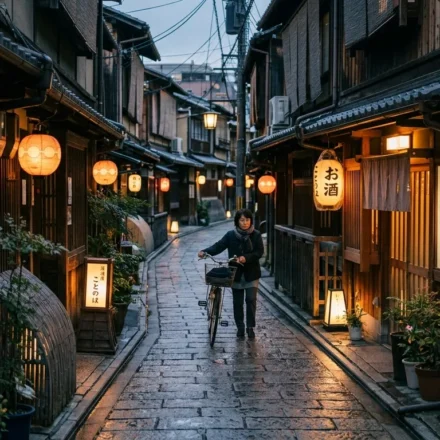
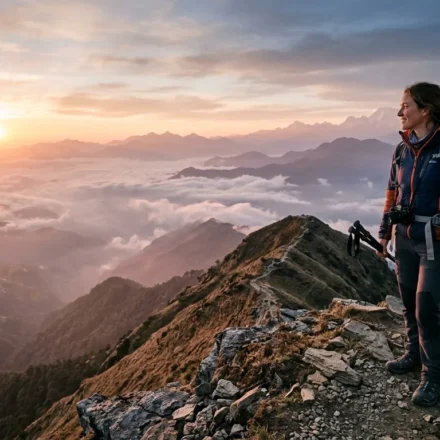
Thinking about solo female travel in South America? Excellent! It’s a continent of incredible beauty, vibrant cultures, and unforgettable adventures. From the bustling markets of Peru to the majestic peaks of Patagonia, there’s so much to explore. But let’s be honest, the idea of venturing out alone, especially as a woman, can spark a bit of apprehension. That’s perfectly natural. The good news is, with smart planning and a healthy dose of street smarts, you can absolutely have an empowering, safe, and truly magical experience. I’ve spent years backpacking through these lands, and I’m here to share the tried-and-true strategies that will keep you safe and confident.
Table Of Content
- Laying the Groundwork: Smart Planning for a Safe Trip
- Research is Your Superpower
- The Essentials: Documents, Insurance & Connectivity
- Pack Smart, Not Heavy
- On the Move: Navigating South America with Confidence
- Choosing Your Ride: Buses, Taxis & Ride-Shares
- Finding Your Sanctuary: Accommodation Choices
- Street Smarts: Day & Night
- Money Matters & Valuables
- Embracing Culture: Respect, Awareness & Setting Boundaries
- Understanding Local Norms (and Machismo)
- Trusting Your Gut & Setting Boundaries
- Connecting Safely
- Staying Prepared: Because Life Happens
- Communication & Emergency Plans
- Common Scams & How to Dodge Them
- Responsible Travel: A Quick Note
- Embrace Your Adventure, Fearlessly
Research is Your Superpower
Before you even book your flight, dive deep into researching your chosen destinations. While South America is generally welcoming, safety can vary significantly from city to city, and even neighborhood to neighborhood. Look up current local news, check government travel advisories (like your home country’s foreign office), and read recent traveler forums.
For example, if you’re planning a trip to Colombia, you’ll learn that while Medellín has transformed, certain areas are still best avoided, especially at night. Similarly, some parts of major cities like Rio de Janeiro or Lima might have higher rates of petty crime. Knowing which areas to avoid or exercise extra caution in is your first line of defense. Focus on understanding specific risks, not just general fear-mongering.
The Essentials: Documents, Insurance & Connectivity
Never underestimate the importance of being prepared with your paperwork and a backup plan. Make digital copies of your passport, visa, flight tickets, and travel insurance details, and store them securely online (e.g., in a cloud service or encrypted email) and on your phone. Keep a physical copy separate from your originals too. Travel insurance isn’t just a suggestion; it’s a non-negotiable for solo travel, covering everything from medical emergencies to stolen belongings.
Upon arrival, consider getting a local SIM card. Being able to access maps, translate, and make calls can be invaluable. Claro, Movistar, and Personal are common providers across different countries. Having data ensures you can use ride-sharing apps, look up directions, or quickly contact someone if needed. Believe me, a dead phone in a new city can quickly turn a minor inconvenience into a stressful situation.
Pack Smart, Not Heavy
When it comes to your gear, think practical and inconspicuous. Avoid flashy jewelry, designer bags, or anything that screams “tourist with valuables.” Blending in is a key safety strategy in many places. A simple cross-body bag worn under your jacket or an internal money belt can deter pickpockets.
For clothing, versatile, comfortable layers are your best friend. Many South American cultures are more conservative than Western ones, especially outside of major metropolitan areas. Packing modest clothing (think long shorts, skirts, or trousers, and tops that cover shoulders) shows respect and can help you avoid unwanted attention, particularly in rural or religious settings. Plus, you’ll be ready for anything, from a hike in the Andes to a stroll through a colonial town.
On the Move: Navigating South America with Confidence
So, you’ve done your homework, packed smart, and you’re ready to explore. Now, what happens when your boots hit the ground? Getting around safely and efficiently is crucial for any solo traveler, and South America offers a variety of transport options.
Choosing Your Ride: Buses, Taxis & Ride-Shares
Long-distance buses are the backbone of South American travel – they’re affordable, efficient, and often surprisingly comfortable (think “cama” or “semi-cama” seats that recline almost flat!). Always book with reputable bus companies from official terminals; avoid informal roadside touts. For shorter distances, ride-sharing apps like Uber, Cabify, or Didi are often available in major cities and are generally safer than hailing a taxi on the street, as they track your journey and driver details. If you must take a taxi, use official taxi stands, ask your accommodation to call one, or look for vehicles with proper company branding and meters. Always confirm the fare or agree on a price before getting in.
Let me give you a concrete example: I was once in Lima and needed a taxi to the airport. Instead of just hailing one, I asked the hostel reception to call a trusted service. The driver knew exactly where he was going, the car was clean, and I felt much more secure than I would have in a random street taxi, especially with all my luggage. That small extra cost was well worth the peace of mind.
Finding Your Sanctuary: Accommodation Choices
Where you lay your head down at night plays a huge role in your safety. When booking hostels, look for ones with good reviews from other solo female travelers. Women-only dorms are increasingly common and offer an added layer of comfort and security. Many hostels also have private rooms that can be a great option if you need a break from dorm life without breaking the bank.
For guesthouses or hotels, check for secure entrances, 24-hour reception, and good lighting. Reading reviews about the neighborhood safety is paramount. I once stayed at a charming, family-run guesthouse in the hills above Chefchaouen (not South America, but the principle applies) for $35/night, and while it was a bit further out, the hosts were incredibly kind, the area felt extremely safe, and they even walked me to the bus stop. Look for places that prioritize guest safety and have a welcoming vibe.
Street Smarts: Day & Night
This is where your situational awareness comes into play. “Situational awareness” simply means being alert to your surroundings – who’s around you, what’s happening, and recognizing potential threats. During the day, walk confidently and purposefully, even if you’re a bit lost (pretend you know where you’re going and duck into a cafe to check your map). Keep your phone out of sight unless you absolutely need it. At night, especially, avoid walking alone in poorly lit or deserted areas. If you’re out socializing, stick to well-populated streets, consider taking a ride-share directly to your door, and always let someone know where you’re going.
Honestly, a simple rule of thumb: if a street feels off, it probably is. Trust that gut feeling. Better to take a longer, well-lit route or pay a bit extra for a taxi than to put yourself in a risky situation.
Money Matters & Valuables
Never carry all your cash and cards in one place. Diversify! Keep some cash in your wallet, some in a money belt, and a spare card separate from your main wallet. Only carry what you need for the day. Use ATMs inside banks or in well-lit, busy areas, and be mindful of anyone watching you. Avoid walking around with large amounts of cash. If you have a hotel safe, use it for passports, extra cash, and other non-essential valuables. Minimizing what you carry reduces the impact if you do unfortunately encounter a pickpocket.
Embracing Culture: Respect, Awareness & Setting Boundaries
Part of the magic of South America is its rich cultural tapestry. Engaging with locals respectfully and understanding social nuances will not only enhance your trip but can also contribute to your safety.
Understanding Local Norms (and Machismo)
South American cultures are generally warm and hospitable, but it’s important to be aware of certain cultural norms. In some regions, particularly more traditional ones, there can be a prevalence of machismo – a strong sense of masculine pride and male dominance – which might manifest as unwanted attention or catcalling towards women. While frustrating and disrespectful, it’s often best to ignore it and keep walking confidently. Engaging can sometimes escalate the situation, and it’s not worth putting yourself at risk.
Dressing modestly, as mentioned earlier, can sometimes help, but it’s not a guarantee. The key is to project an air of confidence and self-possession, even if you don’t feel it inside. A simple “no, gracias” and walking away is usually sufficient.
Trusting Your Gut & Setting Boundaries
This is perhaps the most crucial solo female travel tip I can offer. Your intuition is a powerful tool. If a person or a situation feels off, it probably is. Don’t worry about being polite if your gut is screaming danger. It’s okay to decline invitations, walk away from conversations, or change your plans if you feel uncomfortable. Your safety is paramount, and you don’t owe anyone an explanation.
For example, imagine this situation: You’re at a bar, and someone is being overly persistent, asking too many personal questions, or making you feel uneasy. What would you do? Politely but firmly say you need to leave, make eye contact with a bartender or another traveler you trust, and exit the situation. Don’t second-guess yourself.
Connecting Safely
While being cautious, don’t let it stop you from connecting with people! Many locals are incredibly kind and eager to share their culture. Hostels are great places to meet other travelers, both male and female, who might be heading in the same direction or want to explore together. Joining guided tours or classes (like a cooking class or dance lesson) is another fantastic way to meet people in a safe, structured environment. Just remember to gauge people and situations carefully, and always prioritize your comfort and safety. Shared experiences create lasting memories, but choose wisely.
Staying Prepared: Because Life Happens
Even with the best planning, unexpected things can happen. Being prepared for common hiccups and knowing how to react can make all the difference.
Communication & Emergency Plans
Always tell someone reliable (a family member, close friend, or fellow traveler) your itinerary and check in regularly. Share your accommodation details and travel plans. Have a small emergency kit with basic first aid supplies, any necessary personal medications, and a whistle. A whistle can be a surprisingly effective deterrent in a difficult situation. Know the local emergency numbers (police, ambulance) for each country you visit, and have them easily accessible on your phone, even if it’s dead (write them down too!).
Common Scams & How to Dodge Them
Sadly, scams are a reality in many tourist destinations worldwide. In South America, common ones include the “fake police” demanding to see your passport/money, the “mustard or bird poop” distraction (where someone “accidentally” spills something on you while an accomplice pickpockets you), or rigged taxi meters. The best defense is awareness. Be wary of overly helpful strangers, especially if they approach you on the street. Always insist on seeing official ID if someone claims to be police, and never hand over your passport or wallet. If you’re ever in doubt, say you need to go to the nearest police station or your embassy, and they will usually back off.
Responsible Travel: A Quick Note
As you explore, remember the principles of sustainable travel. Minimize your environmental impact, support local businesses, and engage respectfully with local communities. This not only makes you a better traveler but often leads to more positive interactions and a deeper, safer immersion into the culture. Being a responsible traveler means you are aware of your surroundings and your impact, which naturally aligns with being safer.
Embrace Your Adventure, Fearlessly
Venturing solo through South America as a female traveler is an incredible journey of self-discovery, empowerment, and unforgettable experiences. While it’s wise to be prepared and aware, don’t let fear overshadow the immense joy and wonder that awaits you. Equip yourself with these women travel safety tips, trust your instincts, and open yourself up to the warmth and beauty of the continent. You’ve got this. Go forth, explore confidently, and create the adventure of a lifetime. The open road is calling, and I believe you are ready to answer!