Solo Travel as an Introvert: Tips for Connection and Comfort
Embracing the Introvert’s Journey: Why Solo Travel Works for You
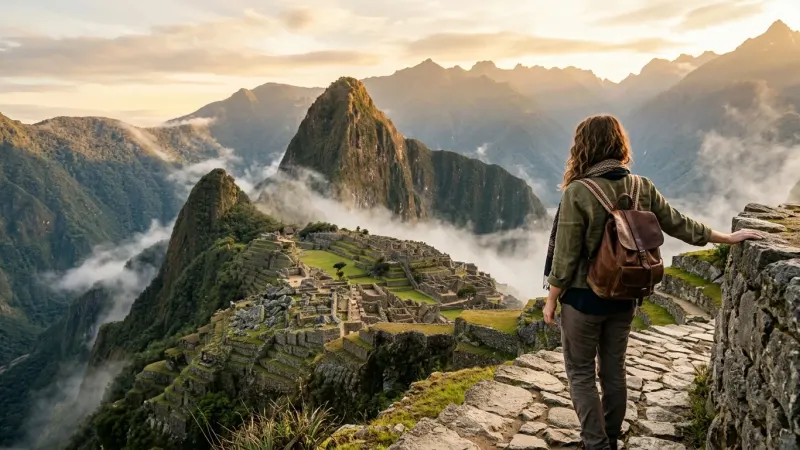
Picture this: You’re standing on the edge of an ancient caldera, the wind whispering tales of millennia, and the only sound is your own heartbeat. There’s no pressure to make small talk, no need to perform for anyone else’s expectations. Just you, the vastness of the world, and the profound quiet within. Does that sound like a dream or a daunting challenge? For many introverts, the thought of solo travel evokes a complex mix of both.
Table Of Content
- Embracing the Introvert’s Journey: Why Solo Travel Works for You
- Strategic Planning for the Mindful Wanderer: Comfort from the Start
- Choosing Your Introvert-Friendly Destination
- Crafting Your Ideal Itinerary and Budget
- Mindful Accommodation Choices
- Navigating Connections: Authentic Encounters on Your Terms
- Low-Pressure Avenues for Connection
- Initiating & Managing Interactions
- Prioritizing Sanctuary: Recharge and Reflect on the Road
- Mindful Energy Management and Downtime
- Creating Your Oasis Anywhere
- Smart & Safe Solo Adventures: Essential Practices for Introverts
- Prioritizing Your Safety and Well-being
- Navigating Culture and Embracing Sustainable Travel
- Budgeting and Logistics on the Go
As someone who’s spent over a decade wandering the globe alone, from the bustling souks of Morocco to the serene mountain trails of Patagonia, I can tell you that solo travel isn’t just possible for introverts – it’s often an incredibly enriching and transformative experience. While the idea of navigating new cultures and unfamiliar faces alone might seem intimidating, solo travel offers introverts a unique opportunity to recharge on their own terms, to connect deeply with a destination, and to truly discover themselves without external pressures. It’s not about being lonely; it’s about choosing intentional solitude and crafting an adventure that aligns perfectly with your energy levels and preferences.
The beauty of solo travel for an introvert lies in the freedom it offers: the freedom to observe rather than always participate, to plan your days around your energy needs, and to choose when and how you engage with others. Instead of feeling drained by constant social demands, you can curate experiences that nourish your mind, body, and soul. This guide is your roadmap to doing just that – transforming potential overwhelm into empowering adventure, ensuring comfort, and fostering genuine connections, all while honoring your intrinsic need for quiet reflection.
Strategic Planning for the Mindful Wanderer: Comfort from the Start
The secret weapon for any successful solo introvert trip isn’t a fancy gadget; it’s meticulous, mindful planning. Before you even think about packing, a thoughtful approach to research and itinerary design can set the stage for an incredibly comfortable and enriching journey, allowing you to sidestep energy drains and embrace authentic experiences.
Choosing Your Introvert-Friendly Destination
When selecting a destination, think beyond the typical tourist hotspots. Consider places that offer a balance of natural beauty, cultural depth, and opportunities for quiet exploration. Look for destinations known for their relaxed pace, rich history, or stunning landscapes where solitude can be easily found. For instance, instead of bustling Rome, you might prefer the tranquil charm of Slovenia’s Lake Bled for its hiking and pristine nature, or the ancient temples of Kyoto, Japan, where peaceful gardens like the Ryoan-ji rock garden (GPS: 35.0347° N, 135.7196° E) offer profound serenity. Smaller cities or regions focused on outdoor activities often provide more avenues for introspection.
Timing your trip is also crucial. Consider traveling during the shoulder season, which refers to the periods between the high and low tourist seasons (e.g., April-May or September-October for many European destinations; November-February for Southeast Asia). During these months, the weather is often pleasant, crowds are significantly smaller, and prices for flights and accommodation tend to be more affordable. This creates a much more relaxed environment for introverts, allowing for easier navigation and more genuine local interactions without the overwhelm of peak tourist hordes.
Crafting Your Ideal Itinerary and Budget
Your itinerary should be a blueprint, not a rigid prison. Introverts thrive with ample downtime, so resist the urge to overschedule. Instead of packing every hour, plan 1-2 major activities per day, leaving plenty of “white space” for spontaneous exploration, quiet contemplation in a cafe, or simply recharging in your room. Embrace the concept of slow travel, which emphasizes a deeper immersion in fewer locations rather than a whirlwind tour of many. For example, staying 4-5 days in a place like Hoi An, Vietnam, allows you to truly soak in its charm, take a cooking class, explore the rice paddies, and find your favorite quiet coffee shop, rather than just ticking off sights.
When it comes to budgeting, solo travel inherently means covering all costs yourself, but it also offers unparalleled flexibility. A realistic daily budget varies wildly by region: expect around $30-60/day for Southeast Asia (accommodation in guesthouses ~$15-25, street food ~$5-10/meal, local transport ~$5-10), $40-80/day for Eastern Europe (hostel private rooms ~$25-40, local restaurants ~$10-15/meal, intercity trains ~$15-30), and $70-150+/day for Western Europe or North America (boutique hotels/Airbnbs ~$50-100, groceries/mid-range meals ~$20-40, public transport ~$10-20). Always factor in a buffer for unexpected costs and spontaneous treats.
Mindful Accommodation Choices
Your accommodation is your sanctuary. For introverts, it’s not just a place to sleep; it’s a vital space for decompression and self-care. Prioritize comfort, quiet, and a sense of security. I often opt for cozy guesthouses, boutique hotels, or private rooms in Airbnbs. For instance, booking a private room in a smaller, quieter hostel can offer the best of both worlds: a chance for optional social interaction in common areas, but the guaranteed solitude of your own space. In Chefchaouen, Morocco, a family-run guesthouse in the hills above the main square, like Dar Echchaouen, can be found for around $35-50/night, offering stunning views and a peaceful retreat from the bustling medina. Look for properties with good reviews mentioning quiet rooms, comfortable beds, and perhaps a lovely garden or balcony where you can read and reflect. Location matters too – a quiet neighborhood that’s still easily accessible by public transport minimizes daily stressors.
Navigating Connections: Authentic Encounters on Your Terms
One of the most common anxieties for introverts contemplating solo travel is the fear of loneliness or the pressure to constantly socialize. But here’s the truth: connecting with others on the road doesn’t have to mean constant small talk or forced interactions. For introverts, it’s about finding authentic, low-pressure ways to engage when and how you feel comfortable, valuing quality over quantity in your social encounters.
Low-Pressure Avenues for Connection
The key is to seek out shared experiences that naturally foster conversation, rather than forcing it. Think about your interests and look for activities that align. A cooking class in Italy, for example, is a fantastic way to meet people. Imagine spending an afternoon in Bologna, learning to make fresh pasta at a local culinary school for around $70-100. You’re focused on a common task, sharing food, and conversation flows organically without the pressure of a “networking event.” Similarly, joining a short-term workshop (photography, pottery, yoga) or a half-day hiking tour allows for interaction centered around a mutual passion. I once took a multi-day overlanding trip through the Australian Outback, where the shared challenges and stunning landscapes naturally forged strong bonds with fellow travelers. Overlanding, in this context, refers to self-reliant vehicle travel to remote destinations, often for extended periods, creating unique opportunities for camaraderie with your travel companions or locals at shared campsites.
Another excellent option is leveraging your accommodation. While I advocate for private rooms, many guesthouses or smaller boutique hostels have inviting common areas or organized activities. You can observe, gauge the vibe, and join in if you feel inclined. Even a simple “hello” at breakfast can sometimes lead to a pleasant, brief chat without any expectation for extended engagement. Look for places that host local events, like live music nights or community gatherings, where you can simply be present and soak in the atmosphere, interacting only if you choose.
Initiating & Managing Interactions
Starting conversations can be daunting, but it doesn’t have to be. Begin with simple, open-ended questions related to your shared environment: “What brought you to this incredible place?” or “Have you tried the coffee here yet?” Often, people are just as eager to connect. Body language is also powerful; a warm smile and open posture can invite interaction without a single word. Remember, you don’t need to be the life of the party. A few meaningful exchanges can be far more fulfilling than hours of superficial chatter. It’s perfectly acceptable to have a brief, pleasant conversation and then politely excuse yourself to return to your book or simply enjoy the quiet. Honor your energy levels – a short, genuine connection is better than pushing yourself into an exhausting social marathon.
Don’t discount digital connections either. Apps like Meetup or local Facebook groups (e.g., “Expats in Lisbon,” “Digital Nomads in Chiang Mai”) can list local events or gatherings based on specific interests, offering a structured way to meet like-minded individuals. I’ve often found great success joining a local pub quiz or a walking tour advertised on these platforms, providing a ready-made social environment with a built-in activity.
Prioritizing Sanctuary: Recharge and Reflect on the Road
For introverts, travel isn’t just about seeing new places; it’s about experiencing them deeply and allowing time for internal processing. This means deliberately creating moments of sanctuary and prioritizing self-care throughout your journey. Your energy is a finite resource, and recognizing when to recharge is paramount to avoiding burnout and truly enjoying your adventures.
Mindful Energy Management and Downtime
The biggest mistake an introvert can make on a solo trip is ignoring their need for downtime. Instead of feeling guilty about needing a break, embrace it as an essential part of your travel strategy. Schedule “introvert blocks” into your day – an hour reading in a park, a quiet coffee break, or simply relaxing in your accommodation. I’ve learned that pushing through exhaustion only leads to less enjoyment later. For example, after a busy morning exploring the markets of Marrakech, I’d often retreat to a quiet rooftop terrace at my riad for an hour or two, sipping mint tea and journaling. This mental pause resets your system, making you more present and engaged for your next activity.
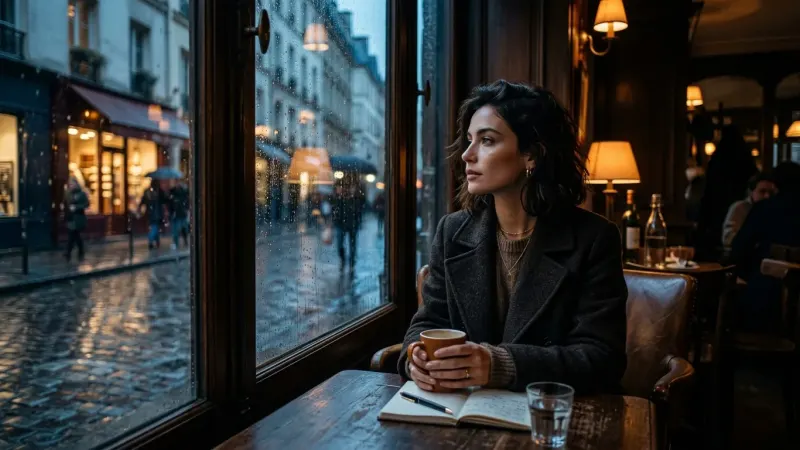
Recognize your personal cues for overstimulation. Are you feeling irritable? Overwhelmed by noise? Retreat. It’s okay to say no to an invitation or to leave an event early if you’re feeling drained. Your comfort and well-being take precedence. The beauty of solo travel is that you don’t need to justify your choices to anyone else. Want to spend an entire afternoon people-watching from a cafe in Paris, rather than rushing to another museum? Go for it. That freedom is a gift.
Creating Your Oasis Anywhere
No matter where you are, you can create a personal sanctuary. Your accommodation is your primary retreat, so make it comfortable. Pack items that bring you comfort: your favorite tea bags, a beloved book, noise-canceling headphones (an absolute game-changer for long journeys or noisy environments), or a comforting playlist. Seek out natural spaces – city parks, botanical gardens, quiet beaches, or even a serene temple courtyard – where you can sit undisturbed and simply exist. For unparalleled tranquility, consider visiting the Adachi Museum of Art in Yasugi, Japan (GPS: 35.4093° N, 133.2201° E), renowned for its exquisite gardens that are designed to be viewed as living art, providing a profound sense of peace and reflection.
Journaling is another powerful tool for introverts on the road. It provides a private space to process your experiences, observations, and emotions without the need for external validation or immediate articulation. Writing helps solidify memories, gain insights, and reflect on personal growth during your journey. It’s your own personal conversation, a silent companion that allows you to truly internalize the transformative power of travel.
Smart & Safe Solo Adventures: Essential Practices for Introverts
While solo travel as an introvert promises deep personal rewards, it’s crucial to balance this introspective approach with practical considerations for safety, cultural awareness, and responsible exploration. Being well-prepared and mindful of your surroundings ensures a smoother, more enjoyable, and truly sustainable adventure.
Prioritizing Your Safety and Well-being
Safety is non-negotiable, especially for solo travelers. Before you depart, share your itinerary and contact information with a trusted family member or friend. Invest in comprehensive travel insurance – this isn’t an optional luxury; it’s essential. It covers everything from medical emergencies and trip cancellations to lost luggage and travel delays, providing invaluable peace of mind. I’ve personally used World Nomads for years and found their coverage excellent and claims process straightforward.
Once you’re on the ground, situational awareness is your best friend. Trust your gut instinct; if a situation or a person feels off, remove yourself. Avoid walking alone at night in unfamiliar areas. Always have a fully charged phone (and a portable power bank!) with a local SIM card for easy navigation and communication. Keep valuables secure in a money belt or an anti-theft bag, and consider carrying only what you need for the day. Research local emergency numbers and have them handy. As an introvert, your natural observational skills are a huge asset here – use them to assess your surroundings discreetly.
Navigating Culture and Embracing Sustainable Travel
A key part of enriching solo travel is respectfully engaging with local cultures. Before arriving, research local customs, etiquette, and dress codes, especially when visiting religious sites. Learning a few basic phrases in the local language (“hello,” “thank you,” “excuse me”) goes a long way in showing respect and often opens doors to warmer interactions. As an introvert, you might prefer to observe and listen first, which is a wonderful way to absorb the nuances of a culture without feeling pressured to participate immediately.
Beyond cultural respect, practice sustainable travel. This means minimizing your environmental footprint, supporting local businesses, and respecting the communities you visit. Choose eco-friendly accommodations, reduce plastic waste (carry a reusable water bottle and shopping bag), and opt for local markets and restaurants over international chains. For example, instead of a tourist-focused restaurant, seek out a small, family-run eatery like those tucked away in the side streets of Granada, Spain, where a tapas experience can cost you as little as $3-5 per plate and a drink, directly supporting the local economy and offering a more authentic experience.
Budgeting and Logistics on the Go
Smart budgeting extends to your daily logistics. Public transportation is often the most cost-effective and culturally immersive way to get around. A 3-hour intercity bus ride in Guatemala, for example, might cost $10-15 and offers a fascinating glimpse into local life, far more authentic than a private shuttle. Always carry some local currency, especially for smaller vendors or rural areas. Keep physical and digital copies of important documents (passport, visa, insurance). Pre-booking your first night’s accommodation is a golden rule, ensuring a smooth, stress-free arrival, especially after a long flight when your energy might be low.
Finally, remember that things will inevitably go wrong on the road – missed buses, language barriers, unexpected detours. These aren’t failures; they’re part of the adventure. As an introvert, your innate ability to calmly process information and problem-solve independently is a superpower in these situations. Embrace the unexpected, learn from it, and allow it to build your resilience. Solo travel as an introvert isn’t about transforming into an extrovert; it’s about confidently navigating the world on your own terms, finding comfort in your solitude, and forging connections that truly resonate with your authentic self.