Southeast Asia’s Secret Spots: 10 Hidden Gems for Adventurous Travelers
Beyond the Beaten Path: Why Go Off-Grid in Southeast Asia?
Forget the well-trodden paths of Bali, Phuket, or Ha Long Bay for a moment. Southeast Asia is a vast tapestry of cultures, landscapes, and adventures, and its most profound experiences often lie just a little further afield. As someone who’s spent over 15 years chasing sunsets and local flavors in every corner of this incredible continent, I can tell you that the true magic begins where the tour buses end. We’re talking about genuine connection, unexpected discoveries, and a sense of accomplishment that a resort vacation simply can’t deliver.
Table Of Content
- Beyond the Beaten Path: Why Go Off-Grid in Southeast Asia?
- The Unveiling: Ten Southeast Asian Secrets You Need to Know
- 1. Batanes, Philippines: The Land of Rolling Hills and Stone Houses
- 2. Sumba, Indonesia: Untamed Beauty and Ancient Traditions
- 3. Ha Giang Loop, Vietnam: The Ultimate Motorbike Adventure
- 4. Phong Nha-Ke Bang National Park, Vietnam: Cave Expeditions and Jungle Treks
- 5. Koh Kood, Thailand: Tranquil Island Escape
- 6. Mae Hong Son Loop, Thailand: Northern Thai Charm
- 7. Don Det & 4000 Islands, Laos: Laid-Back River Life
- 8. Con Dao Islands, Vietnam: History, Nature, and Pristine Beaches
- 9. Kampot & Kep, Cambodia: Riverside Charm and Coastal Delights
- 10. Perhentian Kecil, Malaysia: Island Paradise on a Budget
- Navigating the Unknown: Practical Tips for Off-Grid Exploration
- Budgeting for the Backroads
- Safety and Cultural Etiquette
- Sustainable Travel Practices
- Your Next Adventure Awaits: Making the Leap
- Frequently Asked Questions
- What defines a hidden gem in Southeast Asia?
- What is the best time to visit Batanes, Philippines?
- What are the must-see attractions in Sumba, Indonesia?
- How can I get to Batanes, Philippines?
- What is the concept of slow travel in Southeast Asia?
But what exactly defines a “hidden gem”? To me, it’s a place that offers an authentic slice of local life, fewer crowds, and often, a more budget-friendly experience, without sacrificing safety or accessibility. These aren’t necessarily impossible-to-reach destinations, but rather places that require a bit more planning, a local bus ride instead of a direct flight, or a willingness to embrace the unexpected. This isn’t about rushing; it’s about slow travel – taking your time to truly immerse yourself, understand the rhythms of a place, and connect with its people. It’s also often about visiting during the shoulder season, those sweet spots just before or after peak tourist times, when the weather is still great, but prices are lower and crowds thinner.
Honestly, the rewards are immense. Imagine stumbling upon a secluded waterfall after a challenging trek, sharing a meal with a local family who invites you into their home, or simply enjoying a pristine beach all to yourself. These are the moments that stick with you, the stories you tell for years. And that’s exactly what we’re going to explore today: ten incredible, off-the-beaten-path destinations in Southeast Asia that promise more than just a postcard view.
The Unveiling: Ten Southeast Asian Secrets You Need to Know
Ready to trade tourist traps for authentic encounters? Here are my top picks for off-the-beaten-path destinations that will redefine your Southeast Asian adventure:
1. Batanes, Philippines: The Land of Rolling Hills and Stone Houses
- Why it’s a gem: Nicknamed “Scotland of the East,” Batanes offers dramatic cliffs, emerald hills, traditional Ivatan stone houses, and incredibly friendly locals. It feels like stepping into another world, untouched by mass tourism.
- Best time to visit: March to May (dry season, pleasant weather). Avoid June to November due to typhoons.
- Realistic daily budget: $40-70. Flights are the most expensive part. Once there, accommodation like Amanda’s Place in Basco can be found for $30-50/night. Food is simple but fresh, around $5-10/meal.
- Recommended stay: 4-5 days to explore Basco, Sabtang, and Itbayat islands.
- Transportation: Fly from Manila or Clark to Basco (requires booking well in advance). Around the islands, hire a tricycle driver for day tours ($20-30/day) or rent a motorbike ($15-20/day).
- Hidden tips: Don’t miss the Honesty Coffee Shop in Batanes (no staff, pay what you owe) and trek to Marlboro Country (Racuh a Payaman) for stunning views.
2. Sumba, Indonesia: Untamed Beauty and Ancient Traditions
- Why it’s a gem: Far from Bali’s crowds, Sumba is a rugged island known for its megalithic tombs, traditional ikat weaving, impressive surf breaks, and wild horses. It’s a place where ancient animist traditions are still very much alive.
- Best time to visit: April to October (dry season, perfect for exploring).
- Realistic daily budget: $30-60. Guesthouses range from $20-40, local meals $3-7.
- Recommended stay: 5-7 days to truly experience the island’s diverse landscapes and culture.
- Transportation: Fly to Tambolaka (TMC) or Waingapu (WGP) from Bali. Renting a scooter ($8-12/day) or hiring a car with a driver ($40-60/day) is essential for exploring.
- Hidden tips: Visit Lapopu Waterfall, explore traditional villages like Ratenggaro (GPS: -9.7562, 119.1678), and witness a Pasola festival if your timing is right (usually Feb/March).
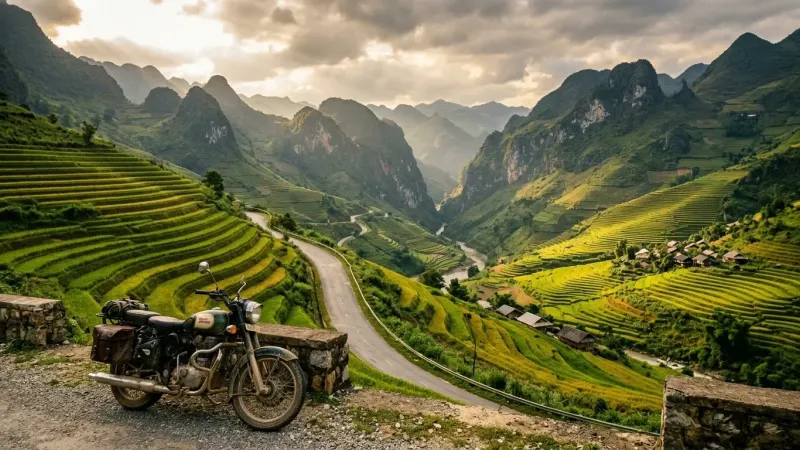
3. Ha Giang Loop, Vietnam: The Ultimate Motorbike Adventure
- Why it’s a gem: This four-day motorbike loop through Vietnam’s northernmost province offers some of the most spectacular mountain scenery in Southeast Asia, with winding roads, ethnic minority villages, and dramatic karst landscapes. It’s an adventure for the soul.
- Best time to visit: March-May or September-November (cooler, clearer skies). December-February can be very cold, June-August brings rain.
- Realistic daily budget: $30-50. This includes bike rental ($8-15/day), fuel, food ($5-10/day), and homestays ($10-20/night).
- Recommended stay: 4-5 days for the full loop.
- Transportation: Take an overnight bus from Hanoi to Ha Giang city. Rent your motorbike there, or join a guided tour (easy riders).
- Hidden tips: The Ma Pi Leng Pass offers breathtaking views. Stay in local homestays (like Ly Kieu Homestay in Dong Van) for authentic cultural experiences and support local communities. Ensure you have a valid international driving permit and travel insurance.
4. Phong Nha-Ke Bang National Park, Vietnam: Cave Expeditions and Jungle Treks
- Why it’s a gem: Home to some of the world’s largest caves, including Son Doong (the largest), Phong Nha offers incredible underground adventures, jungle trekking, and river kayaking in a UNESCO-listed national park.
- Best time to visit: March to August (dry season, ideal for cave exploration).
- Realistic daily budget: $40-80 (excluding multi-day cave expeditions which can be pricey). Guesthouses are $20-40, meals $5-10.
- Recommended stay: 3-4 days to explore a few caves and enjoy the park.
- Transportation: Overnight train or bus from Hanoi/Hue/Da Nang to Dong Hoi, then a local bus or taxi to Phong Nha town. Rent a scooter ($5-8/day) to get around.
- Hidden tips: Explore Paradise Cave and Dark Cave (mud bath, zip-lining). For a truly off-the-grid experience, consider a multi-day trek with Oxalis Adventure or another reputable company to caves like Hang En or Tu Lan.
5. Koh Kood, Thailand: Tranquil Island Escape
- Why it’s a gem: Unlike its bustling cousins, Koh Kood remains a serene paradise with pristine white-sand beaches, crystal-clear waters, and lush rainforest. It’s perfect for those seeking relaxation away from the party scene.
- Best time to visit: November to May (dry season).
- Realistic daily budget: $50-100. Accommodation varies from basic bungalows ($30-50) to eco-resorts ($60+). Food at local eateries is $5-10.
- Recommended stay: 3-5 days for beach hopping, snorkeling, and waterfall visits.
- Transportation: Fly from Bangkok to Trat, then take a ferry or speedboat. Most resorts offer pier pick-up. Rent a scooter ($8-12/day) to explore the island’s many beaches.
- Hidden tips: Visit Klong Chao Waterfall and Ao Phrao Beach for sunset. Many resorts offer free kayaks for exploring nearby coves.
6. Mae Hong Son Loop, Thailand: Northern Thai Charm
- Why it’s a gem: This legendary motorbike loop in Northern Thailand winds through mountains, valleys, and forests, connecting Mae Sariang, Mae Hong Son, and Pai. It’s filled with hill tribe villages, hot springs, and stunning viewpoints.
- Best time to visit: November to February (cooler, dry season).
- Realistic daily budget: $25-45. Guesthouses for $15-30, street food $2-5/meal, bike rental $5-10/day.
- Recommended stay: 4-7 days to complete the 600km loop comfortably.
- Transportation: Start from Chiang Mai. Rent a motorbike (manual or automatic) and ensure it’s well-maintained. Local buses connect the towns if you prefer not to ride.
- Hidden tips: Explore the Tham Lot Cave in Mae Hong Son and the vibrant Walking Street in Pai. Always carry warm layers for the evenings, especially in the mountains.
7. Don Det & 4000 Islands, Laos: Laid-Back River Life
- Why it’s a gem: Si Phan Don, or “4000 Islands,” is a tranquil archipelago in the Mekong River, with Don Det and Don Khone being the most popular. It’s the epitome of slow travel, offering hammock chilling, cycling, and witnessing the rare Irrawaddy dolphins.
- Best time to visit: November to February (cooler, dry season).
- Realistic daily budget: $20-40. Bungalows on Don Det are $10-25/night, local food $3-7.
- Recommended stay: 3-5 days to soak in the atmosphere.
- Transportation: Take a bus from Pakse to Nakasong, then a short longtail boat ride to Don Det or Don Khone. Once there, rent a bicycle ($1-2/day).
- Hidden tips: Cycle over the old French bridge to Don Khone to see the Khone Phapheng Falls (Southeast Asia’s largest waterfall by volume) and look for Irrawaddy dolphins.
8. Con Dao Islands, Vietnam: History, Nature, and Pristine Beaches
- Why it’s a gem: A former penal colony turned national park, Con Dao offers a captivating blend of poignant history, untouched beaches, lush forests, and vibrant marine life. It’s significantly less developed than Phu Quoc.
- Best time to visit: March to September (calm seas, good for diving/snorkeling).
- Realistic daily budget: $50-90. Guesthouses and mid-range hotels $40-70. Local food $5-10.
- Recommended stay: 3-4 days to explore the main island and enjoy the beaches.
- Transportation: Fly from Ho Chi Minh City to Con Son Airport (VCS). Rent a scooter ($8-12/day) or hire a taxi to get around.
- Hidden tips: Visit Con Dao Prison historical site, hike to Ông Đụng Beach, and go snorkeling or diving in the marine park.
9. Kampot & Kep, Cambodia: Riverside Charm and Coastal Delights
- Why it’s a gem: These two sleepy towns offer a refreshing escape from the hustle of Siem Reap or Phnom Penh. Kampot is known for its pepper plantations and riverside activities, while Kep boasts fresh crab markets and quiet beaches.
- Best time to visit: November to February (dry, pleasant weather).
- Realistic daily budget: $30-55. Guesthouses $20-35, local meals $3-8.
- Recommended stay: 2-3 days for each town, or 4-5 days combined.
- Transportation: Take a bus or minivan from Phnom Penh or Sihanoukville. Rent a scooter ($5-8/day) or tuk-tuk ($15-25/day) for exploring.
- Hidden tips: Take a sunset cruise on the Kampot River, visit a pepper farm, and feast on fresh crab at Kep Crab Market (GPS: 10.4851, 104.3168). For a mini-scenario: Imagine this situation: You’ve just finished a delicious crab dinner by the sea in Kep, the sun setting in fiery hues over the Gulf of Thailand. You glance at your phone, and there’s no urgent email, no buzzing notifications. Just the sound of waves and distant chatter. This is the peace you came for, isn’t it?
10. Perhentian Kecil, Malaysia: Island Paradise on a Budget
- Why it’s a gem: Perhentian Kecil (Small Perhentian Island) offers stunning beaches, vibrant coral reefs, and incredible snorkeling/diving opportunities without the high prices or crowds of more famous Malaysian islands. It’s a true backpacker haven.
- Best time to visit: March to October (dry season). Avoid November to February due to monsoon.
- Realistic daily budget: $35-65. Beachfront bungalows $25-45, cheap meals $4-8.
- Recommended stay: 4-6 days for beach relaxation, snorkeling, and diving.
- Transportation: Fly or bus to Kuala Besut Jetty (Terengganu), then a 30-minute speedboat ride. Once on the island, water taxis are the main transport between beaches.
- Hidden tips: Walk the jungle path between Long Beach and Coral Bay for sunset views. Take a snorkeling trip to Turtle Beach, Shark Point, and Coral Garden. Remember to bring enough cash, as ATMs are scarce.
Navigating the Unknown: Practical Tips for Off-Grid Exploration
Venturing into these less-trodden paths requires a little extra preparation, but that’s part of the adventure! Here are some essential tips based on my years of backpacking:
Budgeting for the Backroads
Traveling to hidden gems in Southeast Asia often means more affordable prices. To keep your budget healthy, embrace local life: eat at street food stalls (they’re delicious and safe if you choose busy ones), stay in family-run guesthouses, and use local transport like buses or shared vans. Expect to pay anywhere from $15-30 for a clean, basic guesthouse room, and $2-5 for a hearty local meal. Always carry some cash, especially in remote areas where card payments are rare.
Safety and Cultural Etiquette
Safety is paramount, no matter where you go. Always inform someone of your itinerary, especially for treks or remote excursions. While generally safe, petty crime can occur, so keep valuables secure. Culturally, always dress respectfully, especially when visiting temples or religious sites (shoulders and knees covered). Learn a few basic phrases in the local language – a simple “hello” or “thank you” can go a long way in building rapport. Remember, you are a guest in their home, so be mindful and respectful.
Sustainable Travel Practices
As Destination Wanderer champions, responsible travel is key. When exploring these beautiful hidden spots, practice “Leave No Trace” principles: pack out everything you pack in, minimize plastic use (carry a reusable water bottle), and support local businesses directly. Avoid activities that exploit animals or damage natural environments. By choosing to travel sustainably, you help preserve these incredible places for future generations of wanderers.
Your Next Adventure Awaits: Making the Leap
So, there you have it – ten incredible off-the-beaten-path destinations in Southeast Asia waiting for your footprint. These places offer more than just sights; they offer stories, challenges, and profound personal growth. They demand a bit more from you, yes, but in return, they give back tenfold in authentic experiences and unforgettable memories. What are you waiting for? Start researching, start planning, and get ready to discover the Southeast Asia that lies beyond the brochures. Your adventure begins now!
Frequently Asked Questions
What defines a hidden gem in Southeast Asia?
A hidden gem in Southeast Asia is a place that offers an authentic slice of local life, fewer crowds, and often a more budget-friendly experience without sacrificing safety or accessibility. These destinations require a bit more planning and may involve taking a local bus ride or embracing the unexpected. They provide a genuine connection with the local culture, unexpected discoveries, and a sense of accomplishment that traditional tourist spots can't deliver.
What is the best time to visit Batanes, Philippines?
The best time to visit Batanes, Philippines is from March to May, which is the dry season with pleasant weather. It's recommended to avoid visiting from June to November due to typhoons. With a realistic daily budget of $40-70, visitors can explore the dramatic cliffs, emerald hills, and traditional Ivatan stone houses, and experience the incredibly friendly locals.
What are the must-see attractions in Sumba, Indonesia?
Sumba, Indonesia is known for its untamed beauty and ancient traditions. Some must-see attractions include the megalithic tombs, traditional ikat weaving, impressive surf breaks, and wild horses. Visitors can also explore the Lapopu Waterfall, visit traditional villages like Ratenggaro, and witness a Pasola festival if their timing is right. With a realistic daily budget of $30-60, Sumba offers a unique and immersive experience.
How can I get to Batanes, Philippines?
To get to Batanes, Philippines, visitors can fly from Manila or Clark to Basco, which requires booking well in advance. Once on the island, they can hire a tricycle driver for day tours or rent a motorbike to explore the islands. Accommodation options like Amanda's Place in Basco can be found for $30-50 per night, and food is simple but fresh, around $5-10 per meal.
What is the concept of slow travel in Southeast Asia?
Slow travel in Southeast Asia is about taking your time to truly immerse yourself in the local culture, understand the rhythms of a place, and connect with its people. It's about visiting during the shoulder season, when the weather is still great, but prices are lower and crowds are thinner. This approach allows for a more authentic and rewarding experience, and provides opportunities for unexpected discoveries and genuine connections with the local community.