Why the Pacific? Your Gateway to Colombia's Wild Side
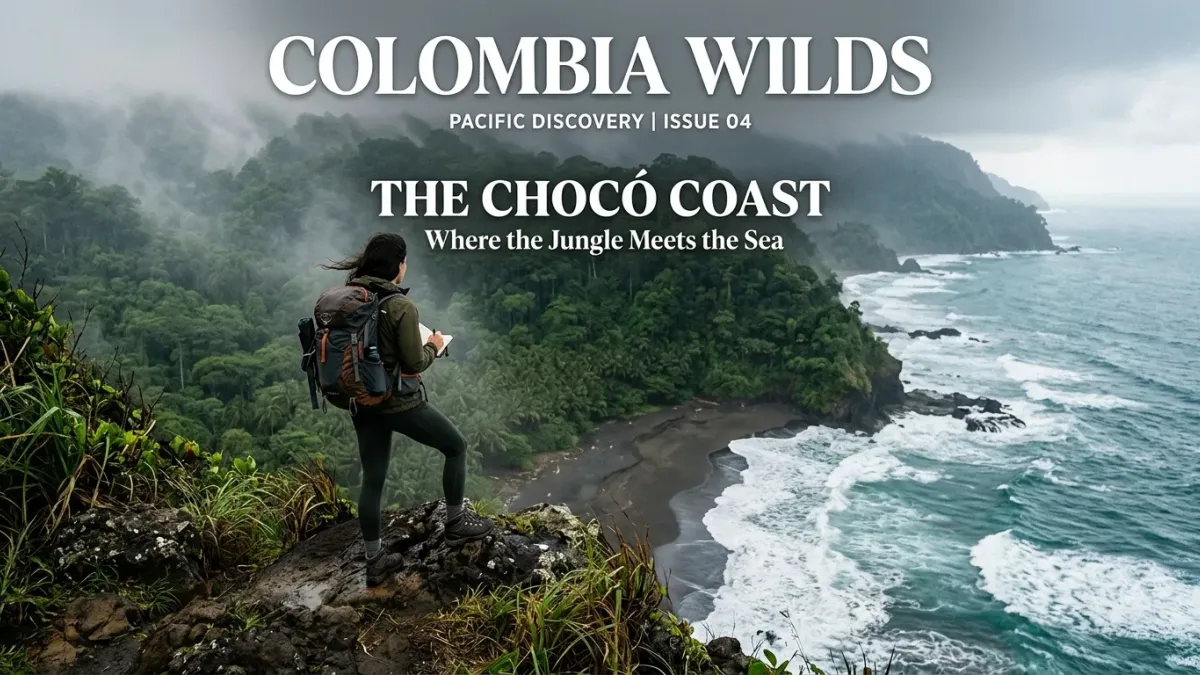
Forget the well-trodden cobblestone streets of Cartagena or the bustling Medellín nightlife for a moment. Imagine a place where the dense, emerald jungle tumbles directly into the wild, unkempt Pacific Ocean, where humpback whales breach just offshore, and vibrant Afro-Colombian and indigenous cultures thrive in remote villages. This, my friends, is Colombia's Pacific region, particularly the department of Chocó – a true hidden gem begging for the adventurous backpacker.
Often overlooked due to its remote nature and, historically, its complex security situation (which has significantly improved for tourists in key areas), the Pacific offers an authentic, raw encounter with nature and culture unlike anywhere else in Colombia. It's not a "resort" destination; it's a place for slow travel, where you immerse yourself in the rhythm of the waves and the jungle. Slow travel, by the way, means taking your time in a destination, moving at a leisurely pace, and truly connecting with local life rather than rushing through a checklist of sights.
So, when's the best time to dive into this incredible region? For whale watching, plan your trip between July and October, when magnificent humpback whales migrate to these warm waters to calve. Expect more rain during these months, but the spectacle is truly worth it. If you prefer slightly drier weather for jungle treks and surfing, the drier season runs from December to March. The shoulder seasons (April-June, November) offer a good balance of fewer tourists and decent weather; shoulder season is the travel period between peak and off-peak seasons, often presenting a sweet spot for both weather and prices.
Getting There & Getting Around: Navigating the Pacific on a Dime
This is where your backpacker ingenuity truly comes into play because getting to Colombia's Pacific region isn't as simple as hopping on a bus. The Chocó coast is largely inaccessible by road, meaning your primary entry points are by air. Your best bets are small regional flights from Medellín (specifically Olaya Herrera Airport, MDE) to either Nuquí (NQU) or Bahía Solano (BSC).
Airlines like Satena and Clic Air operate these routes. Expect to pay around $100-150 USD for a one-way ticket if booked in advance. This might seem like a chunk of your budget, but it's the most efficient and often only practical way in. My advice? Book these flights as early as humanly possible, as seats on these small planes fill up fast. Once you land, the adventure truly begins.
Internal transportation along the coast is almost exclusively by local boats, known as "lanchas." These aren't luxury cruises; they're sturdy, open-air vessels shared by locals and goods alike. A ride from Nuquí to Termales, for example, might cost you $10-15 USD, while longer journeys could be up to $20-30 USD. Always negotiate politely, but remember these are locals earning a living. For example, imagine this situation: you've just landed in Nuquí, stepping off the tiny plane onto a gravel runway. The "taxi stand" isn't cars, but a line of colorful wooden lanchas, their engines sputtering, ready to ferry you across the river or down the coast to your guesthouse. It's exhilarating, a little chaotic, and perfectly authentic – exactly what you came for! For shorter distances, your feet are your best friend, allowing you to discover hidden coves and jungle paths.
Estimated Daily Transport Budget:
- Inter-city flight (one-way): $100-150 USD (plan for this upfront)
- Local lancha rides: $10-30 USD, depending on your daily movements.
Sleeping & Eating Like a Local: Budget Stays & Savvy Sustenance
The Pacific coast isn't teeming with five-star resorts, which is great news for your budget! Accommodation here leans towards eco-lodges, cabañas, and family-run guesthouses (posadas). These often offer a more immersive experience, putting you closer to nature and local life. Don't expect air conditioning everywhere; fans and sea breezes are the norm, which is part of the charm.
In places like Termales de Nuquí or the beaches near El Valle (Bahía Solano), you can find basic but comfortable private rooms in a family-run guesthouse for around $30-45 USD per night. Many of these places, like a charming spot I once stayed at in Guachalito, will offer full board (three meals a day) for an additional $20-30 USD. Honestly, this is often a fantastic deal because dining options can be limited in smaller villages, and the food prepared by your hosts is usually fresh, local, and delicious. You might even find dorm beds in a few places for as low as $20-25 USD.
When it comes to food, embracing the local cuisine is key to staying on budget and truly experiencing the region. Look for "comedores" or small, local restaurants that offer a "menú del día" (set lunch menu). For $5-8 USD, you'll typically get a hearty meal of fresh fish, rice, fried plantains, a small salad, and soup. It's incredibly fresh and flavorful. Don't shy away from fresh fruit juices – they're everywhere and incredibly refreshing. If your accommodation has a kitchen, hitting the local market for fresh produce and fish to cook your own meals is another excellent way to save. Just be aware that larger supermarkets are nonexistent.
Realistic Daily Budget (Excluding major flights):
- Accommodation: $20-45 USD (dorm/basic private)
- Food: $15-25 USD (local meals, snacks)
- Transport/Activities: $10-30 USD (local boats, small excursions)
- Total: ~$45-100 USD/day. Aim for around $60-80 USD/day for a comfortable backpacking experience.
I recommend a stay duration of 7-10 days to truly immerse yourself without feeling rushed. This allows for exploration, relaxation, and embracing the slow travel ethos.
Uncovering Hidden Gems & Adventures: What to Do and See
This region is a treasure trove of natural wonders and cultural experiences. Let's talk specifics!
Around Nuquí:
- Termales de Nuquí: Just a short lancha ride from Nuquí town, you'll find natural hot springs nestled in the jungle. It's a perfect spot for relaxation after a day of travel or hiking. Entry fee is about $5 USD. You can find them around 5.698° N, 77.294° W.
- Jungle Treks & Waterfalls: Hire a local guide (highly recommended for safety and local knowledge, expect to pay $30-50 USD for a half-day) to explore the dense jungle leading to hidden waterfalls or pristine, empty beaches like Playa Blanca.
- surfing: The coast offers some fantastic, uncrowded surf breaks, particularly near Termales and Guachalito. Bring your own board if you're serious, or inquire locally about rentals.
Around Bahía Solano & El Valle:
- El Valle: This charming village boasts a stunning, long beach and serves as a gateway to Parque Nacional Natural Utria. It's a great base for exploring.
- Parque Nacional Natural Utria: An absolute must-visit! This national park protects incredible biodiversity, including a stunning fjord-like inlet, lush mangroves, and vibrant coral reefs. Entry for foreigners is around $15-20 USD. You'll need to hire a boat from El Valle or Bahía Solano to get there. It's perfect for snorkeling, bird watching, and during whale season, witnessing the gentle giants.
- Cascada El Tigre: A beautiful waterfall accessible by a scenic boat ride and a short, invigorating jungle hike from El Valle. A true natural gem.
No matter where you base yourself, if you're there during whale season (July-October), a whale watching tour (approx. $30-50 USD) is non-negotiable. It's an awe-inspiring experience to see these magnificent creatures up close. Also, consider respectfully engaging with local Embera indigenous communities (always through a local, authorized guide) to learn about their ancestral traditions and way of life.
Responsible Backpacking in the Chocó: Respecting Culture & Nature
The Chocó region is fragile and precious. As a Destination Wanderer, your presence can either contribute positively or negatively. Let's ensure it's the former.
Cultural Etiquette:
- Ask Permission: Always ask before taking photos of people, especially children. A simple "¿Puedo tomar una foto?" goes a long way.
- Dress Respectfully: While on the beach, swimwear is fine, but cover up when walking through villages.
- Support Local: Hire local guides, eat at local comedores, and buy handicrafts directly from artisans. This directly injects money into the community.
- Learn Spanish: Even a few basic phrases will greatly enhance your interactions.
Sustainable Travel Practices:
- Leave No Trace: This is critical. The Chocó has very limited waste management. Pack out everything you pack in. Avoid single-use plastics. But what if you see plastic waste on a pristine beach? What's your role then? Consider carrying a small bag to collect any trash you find, making a small but significant difference.
- Water: Bring a reusable water bottle and consider a purification method (filter, tablets) to avoid buying bottled water.
- Wildlife: Maintain a respectful distance from all wildlife. Do not feed animals or disturb their habitats.
Safety Advice:
While much safer for tourists now, this is still a remote region. Always check current travel advisories before you go. Inform your guesthouse owners of your plans, especially if heading out for a hike. Bring plenty of cash (ATMs are rare to non-existent). Protect yourself against mosquitoes (malaria and dengue are present). Honestly, this region isn't for everyone. It's raw, it's remote, and sometimes things don't go according to plan. But for those willing to embrace the unexpected, it offers some of the most authentic and rewarding travel experiences I've ever had.
Colombia's Pacific region is an extraordinary blend of untamed nature, rich culture, and genuine adventure. It demands a bit more planning and flexibility than other destinations, but it rewards you tenfold with experiences that will stay with you long after you've left its shores. So, are you ready to trade the well-trodden paths for the wild heart of Colombia's Pacific? Pack your bags, open your mind, and prepare for an unforgettable journey on a backpacker's budget.