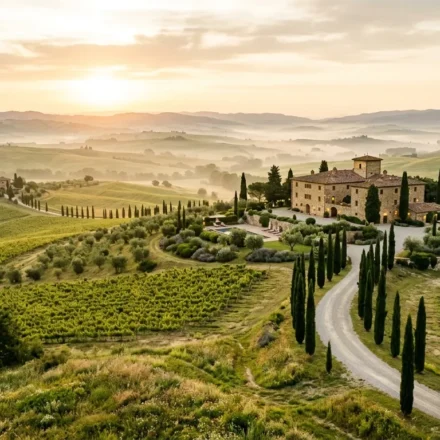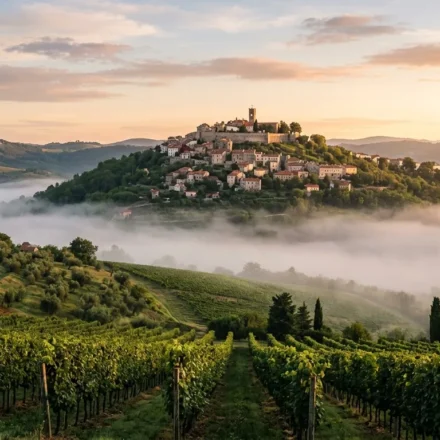




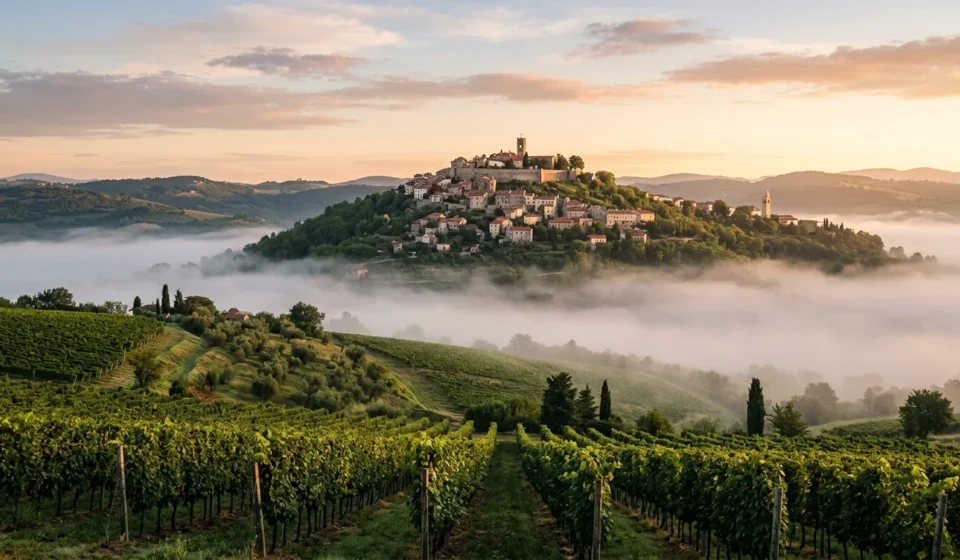

Beyond the Postcards: Discovering Croatia’s Secret Soul
Let’s be honest, when you picture Croatia, your mind probably jumps straight to Dubrovnik’s ancient walls, Split’s buzzing Riva, or the cascading lakes of Plitvice. And while these spots are undeniably beautiful, they’re also magnets for crowds, especially during peak season. But what if I told you that the real magic of Croatia lies just a little further afield, waiting to be discovered by those willing to stray from the well-trodden path?
Table Of Content
- Beyond the Postcards: Discovering Croatia’s Secret Soul
- Island Escapes: Adriatic Jewels Beyond the Hype
- Vis: A Storied Island Retreat
- Lastovo: The Dark Sky Paradise
- Inland Wonders: Croatia Beyond the Coastline
- Lonjsko Polje Nature Park: A Wetland Wonderland
- Samobor: A Charming Town Near Zagreb
- Coastal Charm Without the Crowds: Secret Seaside Spots
- Vrbnik (Krk Island): Ancient Walls and Golden Wine
- Šibenik’s Hinterland: Exploring the Krka River Valley
- Practical Tips for Off-Grid Exploration
- Getting Around
- Sustainable Travel Practices
- Safety and Cultural Etiquette
- Your Croatian Adventure Awaits
As someone who’s spent over 15 years chasing authentic experiences across the globe, I can tell you Croatia is bursting with hidden gems. These aren’t just quieter spots; they’re places where you can truly connect with local culture, savor untouched nature, and experience the Adriatic as it was meant to be. Forget the generic “top 10 lists.” This guide is about giving you the practical, actionable advice you need to uncover Croatia’s secret heart, from secluded islands to charming inland villages, all while keeping your budget and impact in mind.
We’re talking about places where you’ll find family-run konobas (traditional taverns) serving generations-old recipes, pristine beaches without a soul in sight, and a pace of life that encourages genuine relaxation. So, grab your backpack, because it’s time to explore the Croatia fewer people get to see.
Island Escapes: Adriatic Jewels Beyond the Hype
Everyone talks about Hvar and Korčula, and for good reason, they’re stunning. But Croatia’s coastline boasts over a thousand islands, and many of the most captivating are barely on the tourist radar. These are the spots where you can truly practice slow travel – an approach that emphasizes connection to local communities, cultures, and food, often involving longer stays and deeper engagement rather than rushing through a checklist.
Vis: A Storied Island Retreat
Vis is perhaps the most famous of Croatia’s lesser-known islands, having been a Yugoslav military base for decades, which preserved it from mass tourism. This isolation has left it wonderfully authentic and wild. The two main towns, Vis Town and Komiža, are charming, but the real treasures are found exploring the island’s interior and coastline.
- Best Time to Visit: Shoulder season (May-June and September-October) is ideal. The weather is warm, the sea is perfect for swimming, and crowds are minimal. July and August are still pleasant but expect more visitors.
- Recommended Stay: 3-5 days to truly unwind and explore.
- Realistic Daily Budget: Expect around $60-90 USD per person. A comfortable apartment or guesthouse might be $40-60/night, a delicious local meal $15-25, and scooter rental for a day $30-40.
- Transportation: Ferries from Split (Jadrolinija) cost around $7-10 USD for foot passengers. Once on the island, rent a scooter ($30-40/day) or a car ($50-70/day) to explore. Local buses connect Vis Town and Komiža, but they are infrequent.
- Hidden Gems:
- Stiniva Beach: Often cited as one of Europe’s most beautiful, this pebble beach is tucked within a dramatic cove, accessible by a steep hike or small boat taxi from Komiža.
(GPS: 43°01’07.0″N 16°08’43.0″E) - Green Cave (Zelena Špilja): On the smaller island of Ravnik, near Vis. Unlike the Blue Cave, you can swim inside here! Take a boat tour from Komiža.
- Rukavac: A small fishing village on the south side of the island. Find the unassuming Konoba Stiniva for incredible fresh seafood right by the water.
- Stiniva Beach: Often cited as one of Europe’s most beautiful, this pebble beach is tucked within a dramatic cove, accessible by a steep hike or small boat taxi from Komiža.
Lastovo: The Dark Sky Paradise
Even further off the radar is Lastovo, an archipelago declared a Nature Park. It’s one of the darkest places in Europe, making it an incredible spot for stargazing. This isn’t a place for nightlife; it’s a place for quiet contemplation, hiking, and reconnecting with nature.
- Best Time to Visit: Late May-June or September. The sea is warm enough for swimming, and the nights are clear for stargazing.
- Recommended Stay: 4-7 days. Embrace the slow pace.
- Realistic Daily Budget: Around $50-80 USD per person. Accommodation in private apartments is common and affordable ($35-55/night). Meals at local taverns are hearty and reasonably priced ($12-20).
- Transportation: Ferries from Split or Dubrovnik, or a catamaran from Hvar. The journey is part of the adventure. Renting a scooter or car is essential for exploring the island’s many coves.
- Hidden Gems:
- Zaklopatica Bay: A tiny hamlet with a few excellent seafood restaurants (try Konoba Augusta) and stunning views. It’s a fantastic spot to watch the sunset.
- Lastovo Town (or “Lastovo Village”): Perched on a hill, it offers panoramic views and unique chimney architecture (fumari). Explore its narrow streets.
- Saplun Beach: A sandy beach, rare for Croatia, ideal for swimming and relaxation.
Inland Wonders: Croatia Beyond the Coastline
Most travelers hug the coast, but Croatia’s interior offers a completely different, equally captivating experience. Think rolling hills, ancient forests, traditional villages, and incredible local cuisine.
Lonjsko Polje Nature Park: A Wetland Wonderland
Just an hour or so southeast of Zagreb lies Lonjsko Polje, one of Europe’s largest protected wetlands. It’s a paradise for birdwatchers and those interested in traditional Croatian village life, famous for its unique wooden houses and a huge population of white storks.
- Best Time to Visit: Spring (April-May) when the storks return and the landscape is lush, or early autumn (September-October) for pleasant weather and fewer insects.
- Recommended Stay: 1-2 days. It’s an easy day trip from Zagreb but worth an overnight stay for deeper immersion.
- Realistic Daily Budget: $40-70 USD per person. Accommodation in a traditional guesthouse (e.g., Ethno Village Stara Lonja) might be $30-50/night. Meals are very affordable, often homemade and locally sourced ($10-18).
- Transportation: Best reached by car from Zagreb (approx. 1.5 hours). Public transport is limited.
- Hidden Gems:
- Čigoč, the “European Stork Village”: Almost every house has a stork nest on its roof. It’s an incredible sight.
- Krapje, the “Village of Architectural Heritage”: Explore well-preserved traditional wooden houses.
- Boat safaris or canoe rentals: A fantastic way to experience the wetlands and spot wildlife.
Samobor: A Charming Town Near Zagreb
Just a short bus ride from the capital, Samobor is a picturesque town that often gets overlooked. It’s known for its stunning baroque architecture, a charming main square, hiking trails, and the best kremšnita (cream cake) in Croatia.
- Best Time to Visit: Year-round. It’s particularly lovely in spring and autumn, but also charming with a dusting of snow in winter.
- Recommended Stay: A day trip from Zagreb or an overnight stay to enjoy the evening atmosphere.
- Realistic Daily Budget: $30-60 USD per person for a day trip, including transport, lunch, and a kremšnita (which is a must!). If staying overnight, add $40-70 for accommodation.
- Transportation: Frequent local buses from Zagreb’s main bus station (Autobusni Kolodvor Zagreb) take about 30-45 minutes and cost around $4-6 USD one way.
- Hidden Gems:
- Samobor Castle Ruins: A pleasant uphill walk from the town center offers fantastic views.
- Rudarska Draga (Miner’s Valley): Follow the trail along the Gradna stream for a refreshing walk.
- Slastičarnica Uprol or Slastičarnica Vincek: Try the famous Samoborska kremšnita. Honestly, it’s worth the trip alone.
Coastal Charm Without the Crowds: Secret Seaside Spots
While everyone flocks to Rovinj or Split, there are still coastal towns and regions that retain a more authentic, peaceful vibe. You just need to know where to look!
Vrbnik (Krk Island): Ancient Walls and Golden Wine
On the eastern side of Krk, one of Croatia’s largest islands, lies Vrbnik, a medieval town perched dramatically on a cliff. It’s famous for its Žlahtina wine, tiny streets (one of the narrowest in the world!), and stunning views of the sea and the mainland.
- Best Time to Visit: Late spring (May-June) or early autumn (September-October) for pleasant weather and fewer tourists than the peak summer months.
- Recommended Stay: A half-day trip from other parts of Krk, or an overnight stay to savor the evening ambiance.
- Realistic Daily Budget: $40-70 USD per person, including a wine tasting and a nice lunch. Accommodation might be $45-75/night.
- Transportation: Krk is connected to the mainland by a bridge. Vrbnik is easily accessible by car. Local buses operate on the island but can be infrequent to Vrbnik.
- Hidden Gems:
- The World’s Narrowest Street (Klančić): See if you can squeeze through this incredibly narrow alley.
- Toljanić Winery: Enjoy a tasting of Žlahtina wine, unique to this region.
- Nudist Beach Potovšće: If you’re feeling adventurous and want pristine waters, this secluded spot near Vrbnik is fantastic.
Šibenik’s Hinterland: Exploring the Krka River Valley
While Krka National Park draws crowds, the area around Šibenik, particularly its less-visited hinterland along the Krka River, offers beautiful landscapes, charming villages, and a taste of rural Dalmatia. Instead of just going to the main waterfalls, explore upstream.
- Best Time to Visit: Spring (April-May) for lush greenery and flowing waterfalls, or early autumn (September-October) for pleasant hiking temperatures.
- Recommended Stay: 2-3 days to explore Šibenik and the surrounding river valley.
- Realistic Daily Budget: $55-85 USD per person. A guesthouse in Šibenik or a nearby village might be $45-70/night. Meals are excellent and often cheaper outside the main tourist zones ($12-20).
- Transportation: Šibenik is well-connected by bus. To explore the hinterland, a rental car gives you the most flexibility ($40-60/day).
- Hidden Gems:
- Roški Slap: While part of Krka National Park, it’s less crowded than Skradinski Buk. Hike the educational trail and visit the ancient watermills.
- Visovac Monastery: Located on a tiny island in the middle of Krka River, accessible by boat. It’s a serene, spiritual place.
- Skradin: While a gateway to Krka, this town itself is beautiful and less frenetic than Split. Enjoy its marina and local restaurants, like Konoba Zlatne školjke.
Practical Tips for Off-Grid Exploration
Venturing beyond the main tourist hubs requires a bit more planning, but it’s incredibly rewarding. Here’s what I’ve learned from countless trips:
Getting Around
For many hidden gems, a rental car offers the most freedom. Prices vary, but expect to pay around $30-60 USD per day, depending on the season and car size. For islands, check ferry schedules carefully – they can be less frequent during the shoulder season and definitely off-season. Always fill up your tank when you see a gas station on smaller islands or in rural areas; they can be few and far between. For example, imagine this situation: you’ve spent the day exploring a remote cove on Lastovo, admiring the incredible scenery, and as you start heading back, you realize your fuel gauge is dangerously low, and the next station is miles away! It pays to be prepared.
Sustainable Travel Practices
When exploring these pristine locations, it’s crucial to minimize your impact. Leave no trace – pack out everything you pack in, including all trash. Support local businesses by staying in family-run guesthouses, eating at small konobas, and buying local products. This ensures your money directly benefits the community. Try to reduce plastic waste by carrying a reusable water bottle. And honestly, try to learn a few basic Croatian phrases – “Dobar dan” (Good day), “Hvala” (Thank you), “Molim” (Please/You’re welcome) – it goes a long way with locals!
Safety and Cultural Etiquette
Croatia is generally a very safe country, but common sense always applies. Keep an eye on your belongings, especially in busier areas (even hidden gems can have petty theft). When visiting churches or monasteries, dress modestly. Remember that personal space might be a bit different than what you’re used to, and people are generally very friendly but might not always be outwardly effusive. A simple nod and smile are often enough. Always ask for permission before taking photos of people, especially in rural areas.
Your Croatian Adventure Awaits
Croatia is so much more than its famous coastal cities. It’s a land of incredible diversity, from the secluded coves of its lesser-known islands to the peaceful charm of its inland villages. By venturing just a little off the beaten path, you’ll uncover a richer, more authentic, and often more affordable experience. You’ll meet incredible people, taste unforgettable food, and create memories that go far beyond the typical tourist snapshots.
So, are you ready to trade the crowds for quiet coves, bustling squares for serene nature, and tourist traps for genuine Croatian hospitality? I believe these hidden gems offer a truly unique perspective on this beautiful country. Start planning your adventure today, and let Destination Wanderer be your guide to the Croatia you’ve always dreamed of discovering.