




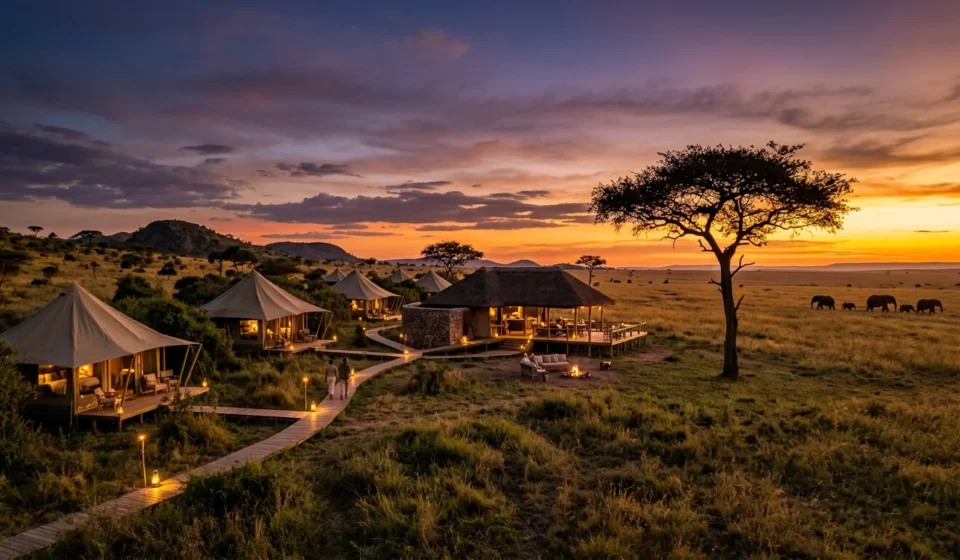

Africa. Just the name conjures images of boundless savannas, dramatic sunsets, and the raw, untamed power of its iconic wildlife. A safari here isn’t just a trip; it’s a pilgrimage, a profound connection with nature that changes you forever. But as seasoned wanderers, we know that with such a privilege comes a deep responsibility. How do we ensure our awe-inspiring adventure doesn’t inadvertently harm the very ecosystems and communities we’ve come to admire?
Table Of Content
- Why Responsible Safari Matters: Protecting the Wild Heart of Africa
- Understanding the Impact of Tourism
- Choosing the Right Safari Operator: Your Ethical Compass
- What to Look For in a Responsible Operator
- Planning Your Eco-Safari: Logistics, Budget, and Best Times
- Realistic Budgets and Duration
- Best Time to Visit & Transportation
- On the Ground: Etiquette and Minimizing Your Impact
- Wildlife Viewing Etiquette
- Cultural Etiquette and Community Interaction
- Beyond the Safari: Supporting Local Communities and Conservation
That’s where planning a sustainable and responsible wildlife safari comes in. It’s about making conscious choices that support conservation, empower local people, and minimize your environmental footprint. As someone who’s spent countless hours traversing dusty tracks, sleeping under star-dusted skies, and learning from local guides, I can tell you this: a responsible safari isn’t just better for the planet; it’s richer, more authentic, and infinitely more rewarding for you.
Why Responsible Safari Matters: Protecting the Wild Heart of Africa
The allure of seeing the “Big Five”—lion, leopard, elephant, rhino, and buffalo—is undeniable. But behind every magnificent game drive lies a delicate balance. Poaching, habitat loss, and human-wildlife conflict are constant threats. Our choices as travelers directly impact these challenges. When you choose a responsible safari, you’re not just booking a holiday; you’re investing in the future of Africa’s wilderness and its people.
What exactly is an eco-tourism safari, you ask? It’s much more than just seeing animals; it’s about minimizing your footprint, supporting local economies, and contributing to conservation efforts. This includes everything from choosing operators who employ local staff and adhere to strict wildlife viewing protocols, to staying in lodges that use renewable energy and manage their waste responsibly. It’s a holistic approach to travel that prioritizes positive impact.
Understanding the Impact of Tourism
Imagine this situation: a large group of safari vehicles, all vying for the best view of a pride of lions. The noise, the exhaust fumes, the sheer number of people – it can stress the animals, disrupt their natural behavior, and degrade the environment. An ethical safari aims to avoid this by promoting smaller groups, respectful distances, and guides who prioritize animal welfare over a “perfect” photo opportunity. Our presence in these wild spaces should be a quiet observation, not an intrusion.
On the flip side, tourism done right can be a powerful force for good. It provides jobs, funds anti-poaching units, educates communities on conservation, and gives local people a tangible reason to protect their wildlife and land. When you spend your money with ethical operators, you’re directly contributing to these vital efforts. Honestly, it’s the most impactful way to travel in these sensitive areas.
Choosing the Right Safari Operator: Your Ethical Compass
This is arguably the most critical decision you’ll make. The right safari operator acts as your ethical compass, guiding your experience in a way that aligns with responsible travel principles. They are the gatekeepers to these incredible ecosystems, and their practices directly reflect on your trip’s impact.
What to Look For in a Responsible Operator
So, how do you sift through the myriad of safari companies? Start by looking for transparency and certifications. Ask specific questions about their practices:
- Conservation Contributions: Do they contribute a percentage of profits to local conservation projects or anti-poaching efforts?
- Community Engagement: Do they employ and train local staff, source goods locally, and support community development initiatives? Look for partnerships with community conservancies – areas managed by local communities for both wildlife and people.
- Environmental Policies: What are their policies on waste management, water usage, energy consumption, and single-use plastics? Do their lodges run on solar power?
- Wildlife Viewing Ethics: Do they adhere to strict guidelines, such as maintaining respectful distances from animals, limiting vehicle numbers at sightings, and avoiding off-roading unless absolutely necessary?
- Fair Wages & Working Conditions: Ensure they treat their staff, especially guides and trackers, fairly with good wages and working conditions.
I always recommend researching operators certified by recognized organizations like Responsible Tourism Tanzania (RTT), EcoTourism Kenya, or those adhering to principles set by the Global sustainable tourism Council (GSTC). These certifications aren’t just badges; they represent a commitment to best practices.
Planning Your Eco-Safari: Logistics, Budget, and Best Times
Once you’ve identified potential operators, it’s time to dive into the practicalities. A responsible safari can fit various budgets, but generally, investing a little more often means better support for ethical practices and a more immersive experience.
Realistic Budgets and Duration
A typical African safari can range wildly in price. For a mid-range, responsible safari focusing on comfortable tented camps or eco-lodges, expect to pay anywhere from $400-$800 per person per day. Budget bush camping safaris (where you sleep in mobile tents, often with basic amenities) can start from $250-$400 per person per day, while luxury lodges can easily exceed $1000-$2000+. This usually includes accommodation, meals, game drives, and park fees.
For a truly meaningful experience, I recommend a stay duration of at least 7 to 10 days. This allows you to explore different ecosystems, spend quality time observing wildlife without rushing, and truly absorb the rhythm of the bush. A two-week trip (14 days) allows for a deeper dive, perhaps combining two different parks or countries.
Best Time to Visit & Transportation
The best time to visit for wildlife viewing generally aligns with the dry season, which varies by region. For East Africa (Kenya, Tanzania), June to October offers prime viewing as animals congregate around water sources, and the Great Migration is in full swing. For Southern Africa (Botswana, South Africa, Zambia), May to October is ideal. The wet season (often November to March) brings lush landscapes, migratory birds, and newborn animals, offering a different, equally rewarding experience, often with fewer tourists and lower prices (this is what we call the shoulder season, offering great value!).
Transportation within Africa typically involves a combination of domestic flights between major cities and light aircraft transfers to remote airstrips within the national parks. Prices vary, but a short domestic flight might cost $150-$300. Once in the park, your safari operator will provide 4×4 vehicles for game drives (wildlife viewing excursions). Consider the carbon footprint of your travel; some operators offer carbon offsetting options for flights, which is always a good idea.
On the Ground: Etiquette and Minimizing Your Impact
Your responsibility doesn’t end when you choose an operator. How you behave in the bush and interact with local communities is just as crucial. Remember, you are a guest in their home.
Wildlife Viewing Etiquette
- Maintain Distance: Always keep a respectful and safe distance from animals. Your guide will know the appropriate range.
- Stay in the Vehicle: Unless you are on a guided walking safari, remain inside your safari vehicle. This is for your safety and the animals’ well-being.
- Silence is Golden: Keep noise to a minimum. Loud talking, music, or sudden movements can stress animals.
- No Feeding: Never feed any wild animal. It disrupts their natural diet and behavior and can make them dependent or aggressive.
- Leave No Trace: Take all your rubbish with you. This includes biodegradable items like fruit peels, which can harm animals or introduce foreign species.
It’s about observing, not interfering. I’ve seen guides patiently wait for hours for a leopard to emerge, rather than rushing or disturbing its natural rhythm. That patience often leads to the most incredible, authentic sightings.
Cultural Etiquette and Community Interaction
When visiting local villages or interacting with communities, respect their customs. Always ask for permission before taking photos of people, especially children. Dress modestly, particularly in more conservative areas. Learning a few basic phrases in the local language (like “Jambo” for hello in Swahili) goes a long way. Consider purchasing local crafts directly from artisans rather than mass-produced souvenirs, ensuring your money directly benefits the community.
Beyond the Safari: Supporting Local Communities and Conservation
Your impact can extend far beyond the game drives. Look for opportunities to engage with and support local initiatives. Many ethical operators integrate community visits or opportunities to learn about local culture into their itineraries.
Consider visiting a local school, a women’s co-operative, or a conservation project. For example, in Kenya, you might visit a Maasai village that benefits directly from tourist visits, or a rhino sanctuary where your entrance fee contributes to vital anti-poaching efforts. These experiences not only enrich your trip but also create tangible benefits for the people and wildlife you’re there to see. It’s about building bridges, not just passing through.
Planning a sustainable and responsible safari in Africa is an act of love – love for the wild, for its people, and for the planet. It requires a bit more research and conscious decision-making, but the rewards are immeasurable. You’ll return home not just with incredible photos, but with the knowledge that your adventure contributed positively to the preservation of one of Earth’s most precious treasures. So, go forth, explore, and let your journey be a testament to responsible wanderlust.