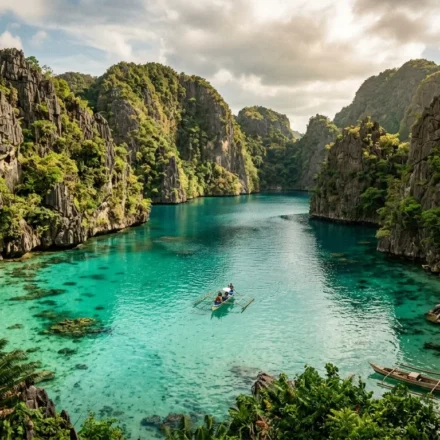







Bali. Just the name conjures images of emerald rice paddies, serene temples, and endless sunsets over the Indian Ocean. For years, it’s been a magnet for wanderers, surfers, and spiritual seekers. But lately, it’s earned another title: the undisputed capital of the Digital Nomad world. You’ve seen the Instagram reels – laptops by the pool, smoothie bowls, and vibrant co-working spaces. But moving beyond the glossy facade to plan a truly productive and enriching digital nomad retreat requires more than just booking a flight. It demands insider knowledge, practical tips, and a clear understanding of what to expect.
Table Of Content
- I. Laying the Foundation: Pre-Trip Planning Essentials
- Visa & Entry Requirements
- Best Time to Go & Recommended Duration
- Budgeting for Bliss: What to Expect Financially
- II. Setting Up Your Bali Base: Accommodation & Workspaces
- Finding Your Tribe (and Bed)
- Powering Your Productivity: Co-working Spaces & Internet
- III. Beyond the Laptop: Exploring Bali Like a Local
- Getting Around
- Culinary Adventures & Hidden Gems
- Cultural Immersion & Responsible Tourism
- IV. Staying Safe, Sane, and Sustainable
- Health & Safety Practices
- Digital Detox & Community
- Eco-Conscious Nomadism
Having spent more than my fair share of months working remotely from various corners of the island, navigating everything from visa runs to secret waterfall trails, I’m here to give you the real deal. This isn’t just another ‘top 10 things to do’ list; it’s your comprehensive guide, packed with actionable advice to help you transform your Bali dream into a tangible, successful remote work experience. So, let’s ditch the generic advice and dive deep into creating your perfect Bali digital nomad retreat.
I. Laying the Foundation: Pre-Trip Planning Essentials
Before you even think about packing your bags, there are some critical logistical hurdles to clear. Getting these right will save you a world of stress and potential headaches down the line. We’re talking about the backbone of your entire retreat.
Visa & Entry Requirements
Indonesia has a few options for remote workers, and choosing the right one is crucial. Most travelers from eligible countries can get a Visa on Arrival (VOA) upon landing, which allows a 30-day stay and can be extended once for another 30 days. This means a maximum of 60 days.
For longer stays, the B211A Tourist Visa is your best friend. This visa can be obtained offshore (before you fly) through a visa agent and grants you a 60-day stay, extendable twice for 60 days each, totaling 180 days. This is what most long-term digital nomads use. Just be aware that visa extensions require a bit of paperwork and often multiple visits to immigration, or hiring an agent to handle it for you.
Best Time to Go & Recommended Duration
Bali enjoys a tropical climate, meaning warm temperatures year-round. However, it has two distinct seasons: dry and wet. The dry season (April to October) offers plenty of sunshine, lower humidity, and calm seas, making it ideal for exploring. The wet season (November to March) brings higher humidity and more frequent, often heavy, rain showers, usually in the afternoon.
From my experience, the shoulder seasons (April-May and September-October) are perfect. The weather is fantastic, tourist crowds are thinner than peak July-August, and prices for accommodation can be slightly lower. I recommend a minimum stay of 2-3 months for a truly immersive digital nomad retreat. This allows enough time to settle in, establish a routine, explore beyond the main hubs, and genuinely connect with the local culture without feeling rushed.
Budgeting for Bliss: What to Expect Financially
Bali can be as cheap or as expensive as you make it. The key is to understand local pricing and adapt your lifestyle. Here’s a realistic breakdown for a comfortable, mid-range experience:
- Accommodation: A private room in a family-run guesthouse or homestay (often with a pool) will run you $25-50 USD/night. For example, you can find a lovely room in a traditional Balinese compound near Nyuh Kuning in Ubud for around $35/night. If you opt for shared villas or co-living spaces, prices can range from $400-800 USD/month. Hostels are even cheaper, starting at $10-20/night for a dorm bed.
- Food: Eating like a local at warungs (local eateries) is incredibly affordable, typically $2-5 USD/meal. A delicious Nasi Goreng or Mie Goreng will never break the bank. Mid-range cafes and restaurants catering to Western tastes will cost $8-15 USD/meal. Juices and fresh coconuts are usually $1-3.
- Transport: Renting a scooter is the most common way to get around, costing $5-8 USD/day or around $70-100 USD/month. Just make sure you have an International Driving Permit and wear a helmet! Ride-hailing apps like Gojek and Grab are widely available and affordable for short trips, usually $2-10 USD.
- Co-working Space: Membership typically ranges from $100-200 USD/month for unlimited access, or $10-15 USD for a day pass.
- Miscellaneous/Activities: Budget an extra $10-30 USD/day for activities, massages ($10-20), coffee, and unexpected expenses.
A realistic daily budget for a comfortable digital nomad life in Bali, including accommodation, food, transport, and some leisure, is $40-80 USD/day. You can certainly do it for less if you’re extremely frugal, or spend much more if you opt for luxury.
II. Setting Up Your Bali Base: Accommodation & Workspaces
Once you’ve got the pre-trip logistics sorted, the next step is finding your ideal spot. Bali offers a diverse range of environments, each with its own vibe, and equally varied options for staying productive.
Finding Your Tribe (and Bed)
Choosing where to base yourself depends heavily on your lifestyle and work preferences. Ubud is the cultural and spiritual heart, surrounded by rice fields and yoga studios – perfect for those seeking tranquility and wellness. Canggu is the trendy surf town, bustling with cafes, beach clubs, and a younger crowd. Seminyak offers a more upscale experience with boutique shops and fine dining, while Sanur is quieter, popular with families and those seeking a relaxed beach vibe.
Many digital nomads opt for co-living spaces, which combine accommodation with dedicated workspaces and built-in communities. Places like Outpost and Dojo House offer a fantastic way to meet like-minded people. Alternatively, finding a private room in a local guesthouse or a villa with a shared pool via Airbnb or local Facebook groups is also very popular. Don’t be afraid to book just a few nights initially, then explore in person once you arrive to find the perfect long-term spot.
Powering Your Productivity: Co-working Spaces & Internet
Reliable internet is the lifeline of any digital nomad. While Wi-Fi is generally good in most cafes and accommodations, a dedicated co-working space offers stability, a professional environment, and often a generator for power outages. Famous ones include Dojo Bali (Canggu) and Outpost (Ubud & Canggu), both offering excellent facilities, fast internet, and vibrant communities. Many cafes also double as informal co-working spots; look for ones advertising “fast Wi-Fi” and plenty of power outlets.
To ensure you’re always connected, I highly recommend getting a local SIM card (Telkomsel is best for coverage) with a generous data plan. These are cheap and readily available. But what would you do if your internet drops during a critical client call? Always have a backup, like your phone’s hotspot, and ideally work from a place known for its reliable connectivity, especially for important tasks.
III. Beyond the Laptop: Exploring Bali Like a Local
The beauty of being a digital nomad in Bali isn’t just about working from paradise; it’s about experiencing the paradise itself. Don’t get stuck in a work-only bubble!
Getting Around
As mentioned, scooters are king. They offer unparalleled freedom to explore. However, Balinese traffic can be chaotic, especially in peak areas. Always wear a helmet, drive defensively, and ensure your travel insurance covers scooter accidents. For those uncomfortable on two wheels, Gojek and Grab offer motorbike taxis and car services that are convenient and affordable. For longer distances or group trips, hiring a private driver for a day (around $40-60 USD) is a fantastic option.
Culinary Adventures & Hidden Gems
Bali’s food scene is incredible, from humble warungs to world-class restaurants. Don’t shy away from street food, but choose busy spots with high turnover to ensure freshness. For an authentic culinary experience, seek out a local warung for Nasi Campur (mixed rice) or Babi Guling (suckling pig, a Balinese specialty). Many cafes also cater to vegan and healthy eating trends.
Now for those hidden gems, because that’s what we live for at Destination Wanderer!
- Goa Rang Reng Waterfall: (GPS: -8.5447, 115.3090) While Tegenungan Waterfall gets all the fame, this one near Gianyar offers a more tranquil experience where you can actually swim and explore without massive crowds. It’s a short, easy trek.
- Jatiluwih Rice Terraces: (GPS: -8.3695, 115.1437) Forget the crowded Tegalalang. Jatiluwih is a UNESCO World Heritage site, offering vast, sweeping rice paddies that feel endless. Rent a scooter and spend a morning getting lost on the paths, enjoying the serene beauty. The entrance fee is minimal.
- Pasut Beach: (GPS: -8.5133, 114.9708) On the west coast, less developed than Canggu, this black sand beach is incredibly quiet and perfect for sunset. You might even spot local fishermen or cows wandering the sand. It’s a true escape.
Cultural Immersion & Responsible Tourism
Bali is rich in culture. Take time to witness local ceremonies, visit temples (always wear a sarong and sash), and observe the daily Canang Sari (offerings) that are an integral part of Balinese Hindu life. A simple “Terima Kasih” (thank you) goes a long way. Support local businesses, respect religious sites, and always ask permission before taking photos of people or ceremonies. This is slow travel at its best – taking the time to understand and appreciate your temporary home.
IV. Staying Safe, Sane, and Sustainable
Your well-being, both personal and environmental, should always be a top priority. A successful retreat isn’t just about productivity; it’s about holistic health and responsible interaction with your surroundings.
Health & Safety Practices
Travel insurance is non-negotiable. Ensure it covers medical emergencies, especially if you plan to ride a scooter. Bali Belly (traveler’s diarrhea) can happen; be mindful of what you eat and drink, opting for bottled water. Stay hydrated. While Bali is generally safe, petty theft can occur, so be aware of your belongings, especially on scooters or crowded beaches. Always tell someone where you’re going if exploring remote areas. For example, imagine this situation: you’ve just rented a scooter and are heading to a secluded waterfall. What if you get a flat tire or take a wrong turn in an area with no signal? Having a fully charged phone, a downloaded offline map, and letting a friend know your rough itinerary could be a lifesaver.
Digital Detox & Community
It’s easy to fall into the trap of constant work when your office is paradise. Make a conscious effort to schedule downtime, explore, and disconnect. Bali offers incredible opportunities for yoga, meditation, surfing, and hiking that can help you find balance. Actively participate in co-working events, local workshops, or social gatherings to build a community. It makes a huge difference to have a support network, even if temporary, and prevents the isolation that can sometimes creep in with remote work.
Eco-Conscious Nomadism
Bali is grappling with environmental challenges, particularly plastic waste. As a visitor, you have a responsibility to contribute positively. Carry a reusable water bottle and fill it up at refilling stations (many cafes offer this). Say no to plastic straws and bags. Support businesses committed to sustainable travel practices. Be mindful of your water and electricity consumption. Leave No Trace, especially when visiting natural sites. In my opinion, being a conscious traveler isn’t just a trend; it’s our duty to preserve the beauty that draws us to places like Bali.
Honesty, planning a digital nomad retreat in Bali is an adventure in itself. It’s a place that will challenge you, inspire you, and sometimes even frustrate you. But ultimately, it offers an unparalleled opportunity to blend work with wanderlust, to grow professionally and personally, all while surrounded by breathtaking beauty and a vibrant culture.
This guide provides the practical framework, but the magic of Bali truly unfolds when you step off the well-trodden path, embrace the unexpected, and connect with the island on a deeper level. So, pack your laptop, your sense of adventure, and get ready to craft an unforgettable remote work chapter in the Island of the Gods. Your Balinese retreat awaits!