



Beyond the Brochure: Why a Budget Safari is Your Best Bet
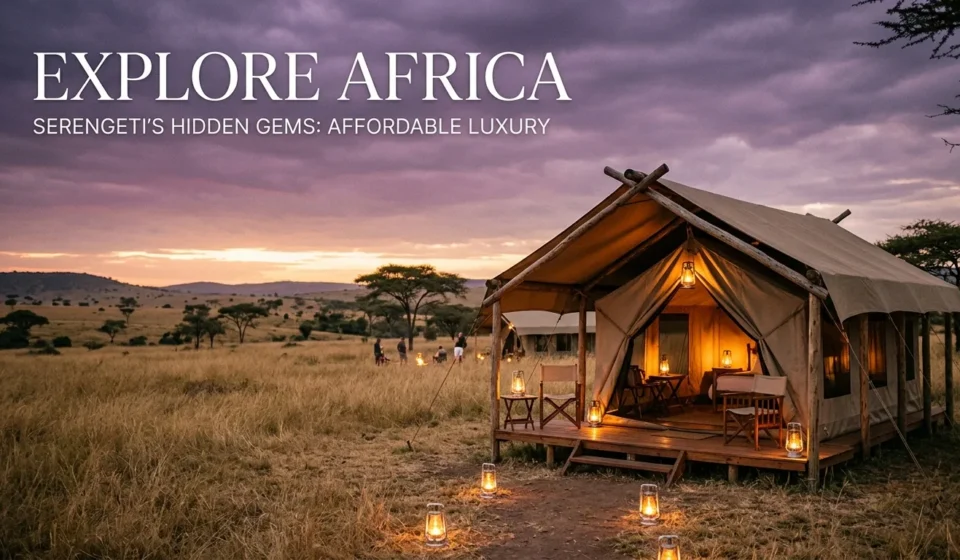
An African safari. Just the words conjure images of vast savannas, majestic wildlife, and sunsets that set the sky ablaze. For many, it’s the ultimate bucket-list adventure. But what if you don’t have a small fortune saved up for those glossy brochure prices? Does "budget" mean sacrificing the magic? Absolutely not! In fact, some of my most profound and authentic wildlife encounters have come from traveling on a shoestring, embracing the spirit of true adventure.
Table Of Content
- Beyond the Brochure: Why a Budget Safari is Your Best Bet
- Picking Your Playground: Best Countries & Seasons for Value
- Top Budget-Friendly Safari Nations
- Timing is Everything: Navigating Seasons
- Crafting Your Adventure: Accommodation, Transport & Food Hacks
- Sleeping Under the Stars (Affordably)
- Getting Around Like a Local
- Fueling Your Journey (Without Breaking the Bank)
- On the Ground: Safety, Sustainability & Savvy Spending
- Staying Safe and Sound
- Treading Lightly: Sustainable Safari
- Real-World Budget Breakdown & Examples
- Your African Dream Awaits: Final Thoughts on an Accessible Adventure
Forget the luxury lodges and private game reserves for a moment. This guide is for the wanderers who want to feel the dust of the open road, hear the distant roar of a lion from their tent, and connect with Africa on a deeper, more personal level. We’re talking about smart planning, savvy choices, and a willingness to step off the well-trodden tourist path. This approach often leads to more immersive experiences, allowing for slow travel – a philosophy where you spend more time in fewer places, delving deeper into local culture and natural environments rather than rushing through a checklist.
Picking Your Playground: Best Countries & Seasons for Value
The first critical step in planning your budget safari is choosing the right destination and the optimal time to visit. Africa is vast, and safari costs can vary wildly from one country to another. Opting for less famous parks or countries known for their accessibility will significantly impact your overall expenses.
Top Budget-Friendly Safari Nations
When it comes to value, certain countries consistently shine. Namibia and South Africa are fantastic for self-drive safaris, where you rent a 4×4 and explore at your own pace, often camping within national parks. This dramatically cuts down accommodation and guide costs. For example, camping within Etosha National Park in Namibia can cost as little as $25-40 per person per night, offering unparalleled access to waterholes at night, often including the chance to see rhinos and lions up close. Similarly, South Africa’s Kruger National Park has excellent public rest camps starting around $30-50 per night for a basic hut or campsite.
For those interested in overlanding – which means traveling long distances over land, often in a specially equipped vehicle with a group – countries like Zambia and parts of Botswana offer incredible experiences. While Botswana can be pricey, its northern parks are becoming more accessible via organized camping tours. Consider Zambia’s South Luangwa National Park for exceptional walking safaris, often at a better price point than similar experiences in Tanzania or Kenya, especially if you opt for smaller, locally-run camps.
Timing is Everything: Navigating Seasons
To truly save money, aim for the shoulder season or low season. The shoulder season generally refers to the periods just before or after the peak tourist season, offering good weather and fewer crowds without the highest prices. The low season (often the rainy season) sees the biggest price drops.
For most of Southern and East Africa, the dry season (June to October) is peak safari time, making wildlife viewing easier as animals congregate around water sources. However, the wet season (roughly November to May, varying by region) offers lush landscapes, migratory birds, and newborn animals, though game can be more dispersed and roads sometimes challenging.
Traveling during the wet season, also known as the "green season," can cut your costs by 30-50% on accommodation and even some park fees. For instance, visiting Kruger in February means fewer crowds and lower camp rates, even if spotting predators requires a bit more patience and luck.
Crafting Your Adventure: Accommodation, Transport & Food Hacks
Once you’ve narrowed down your destination and travel window, it’s time to get into the nitty-gritty of planning. This is where your budget safari truly takes shape, with smart choices making all the difference.
Sleeping Under the Stars (Affordably)
Accommodation will be one of your biggest expenses, but it’s also where you can save the most. My top tip? Embrace camping! Many national parks across Africa offer incredible, well-maintained campsites with basic facilities. Imagine waking up to the trumpeting of an elephant just beyond your tent flap in Kruger, the sun painting the bushveld in golden hues – and realizing you paid less than your daily Starbucks habit for that experience. These campsites often have communal kitchens, braai (barbecue) areas, and even small shops.
Outside of parks, look for backpacker hostels, guesthouses run by local families, or even Airbnb rooms in smaller towns near park entrances. For example, staying in a charming guesthouse in St. Lucia, South Africa, just outside iSimangaliso Wetland Park, can cost as little as $40-60 a night, giving you comfortable lodging while allowing you to do day trips into the park.
Getting Around Like a Local
Transportation is another major cost driver. For serious budget savings, a self-drive safari is unparalleled, especially in Namibia and South Africa. You’ll need to rent a sturdy 4×4, which can be expensive upfront ($80-150/day), but when split among 2-4 people, it becomes highly economical. It also gives you complete freedom to explore at your own pace.
Alternatively, consider joining an organized overland tour. These multi-day or multi-week tours typically use large, custom-built trucks, carry all camping gear, and include a guide/driver and a cook. While not "cheap" in an absolute sense, they offer excellent value for money ($80-150/day per person) as they cover transport, accommodation (camping), most meals, and park entry fees in one package. For solo travelers, this is a fantastic way to experience a safari without the cost of renting a private vehicle or booking private tours. Less common but possible in some areas is using local buses to reach towns near park gates, then hiring a local taxi for park entry – but this requires significant logistical planning and can be less reliable.
Fueling Your Journey (Without Breaking the Bank)
Food costs can quickly add up, especially if you’re eating out constantly. The best budget strategy for a safari is self-catering. Stock up at local supermarkets before heading into the parks. Many campsites have communal kitchens or braai facilities. Cooking your own meals allows you to control costs and enjoy fresh, local produce. For example, buying fresh produce and meat at a market in Hazyview before entering Kruger can save you hundreds of dollars over a week compared to eating at park restaurants.
When you do eat out, seek out local eateries and markets. Street food or small, family-run restaurants offer authentic flavors at a fraction of the price of tourist-oriented establishments. Be adventurous with local dishes, and you might discover your new favorite meal!
On the Ground: Safety, Sustainability & Savvy Spending
So far we’ve covered the planning and logistical aspects. Now let’s get to the really critical point: how to make the most of your trip while staying safe, responsible, and within your budget once you’re there.
Staying Safe and Sound
Safety on a budget safari isn’t about spending more; it’s about being prepared and using common sense. Always research the specific areas you’ll be visiting for any safety advisories. In cities, be aware of your surroundings, especially at night, and avoid displaying expensive electronics. Keep valuables secure and out of sight. When driving, lock your doors, avoid traveling at night, and always inform someone of your itinerary.
Within national parks, respect wildlife from a distance. Never approach animals on foot unless part of a guided walking safari. Stay in your vehicle in designated areas, and adhere to park rules. Carry a basic first-aid kit, enough water, and ensure your vehicle is in good condition, especially if self-driving. Always have travel insurance; it’s non-negotiable for any international trip, especially one involving adventure.
Treading Lightly: Sustainable Safari
As adventurers, it’s our responsibility to minimize our impact and contribute positively to the places we visit. This is where sustainable travel practices come in. Choose tour operators that employ local staff and support conservation efforts. When in parks, follow the "leave no trace" principle: take all your rubbish with you, do not feed animals, and stick to designated roads.
Engage with local communities respectfully. Learn a few basic phrases in the local language, ask permission before taking photos of people, and consider buying handicrafts directly from artisans. Your budget choices can often be more sustainable, as staying in local guesthouses and eating at local markets directly supports the community, rather than large, foreign-owned chains.
Real-World Budget Breakdown & Examples
Let’s talk numbers. A realistic daily budget for a budget-friendly safari (excluding international flights, but including shared vehicle rental, fuel, park fees, camping/basic accommodation, and self-catering food) can range from $70 to $120 per person per day. This is a general guideline, and it can fluctuate based on your chosen country, number of travelers, and level of comfort.
- Accommodation: $25-50/night for camping or basic guesthouse (per person, assuming sharing).
- Park Fees: $20-80/day per person (highly variable, e.g., Kruger is around $30/day, Etosha around $10/day, while East African parks can be $70-100+). This is often the least flexible cost.
- Vehicle Rental & Fuel: $40-70/day per person (assuming a 4×4 rental split between 2-4 people, plus fuel).
- Food & Drink: $15-25/day per person (self-catering with some local meals).
For example, a 7-day self-drive safari in Kruger National Park for two people, camping in park rest camps and self-catering, could realistically cost around $1000-1400 total, or $70-100 per person per day. This offers incredible value for such a world-class wildlife experience.
Your African Dream Awaits: Final Thoughts on an Accessible Adventure
Planning a budget-friendly safari in Africa isn’t just about saving money; it’s about curating a more authentic, immersive, and often more rewarding adventure. It’s about challenging the notion that incredible travel must come with an exorbitant price tag. By choosing the right destinations, traveling during the shoulder or low season, embracing camping, and taking control of your transport and food, you can transform that distant dream into a tangible reality.
My advice? Don’t wait. Start researching, connect with other budget travelers, and be open to flexibility. The wild heart of Africa is waiting, ready to offer you experiences that will stay with you long after you’ve returned home, proving that the most unforgettable journeys are often those crafted with ingenuity and an adventurous spirit, not just a hefty bank account. Go forth and wander!