




Introduction to Iceland in Winter
Iceland is a destination that sparks the imagination, with its breathtaking landscapes and unique experiences. But what would you do in this situation: you’re planning a winter escape, and you want to make the most of your time in this winter wonderland? Honestly, I believe that Iceland is a perfect destination for a winter escape, with its snow-covered mountains, frozen waterfalls, and the Northern Lights dancing across the sky.
Table Of Content
For example, imagine this situation: you’re standing in the middle of a snowy landscape, surrounded by nothing but the sound of silence and the beauty of nature. It’s a truly Unforgettable experience, and one that I’ve had the privilege of enjoying myself. Let me add something here: the best time to visit Iceland in winter is from December to February, when the days are shortest and the nights are longest, providing the best opportunities to see the Northern Lights.
In my opinion, the key to a successful winter escape in Iceland is planning. You need to know what to expect, how to prepare, and what to do when you’re there. So far, we’ve covered the basics of why Iceland is a great destination for a winter escape. Now let’s get to the really critical point: how to plan your trip.
Planning Your Trip
When to Go and What to Expect
The best time to visit Iceland in winter is from December to February, when the days are shortest and the nights are longest, providing the best opportunities to see the Northern Lights. During this time, you can expect temperatures to range from -2°C to 2°C (28°F to 36°F), with average wind speeds of 15-20 km/h (9-12 mph). Be prepared for potential snowstorms and icy roads, and make sure to check the weather forecast before heading out.
Here are some tips to keep in mind when planning your trip:
- Book your accommodations and tours in advance, as they tend to fill up quickly during the winter season.
- Pack warm clothing, including a good parka, gloves, hat, and scarf.
- Bring a camera with a good battery life, as you’ll want to capture the stunning landscapes and Northern Lights.
Getting Around and Accommodation
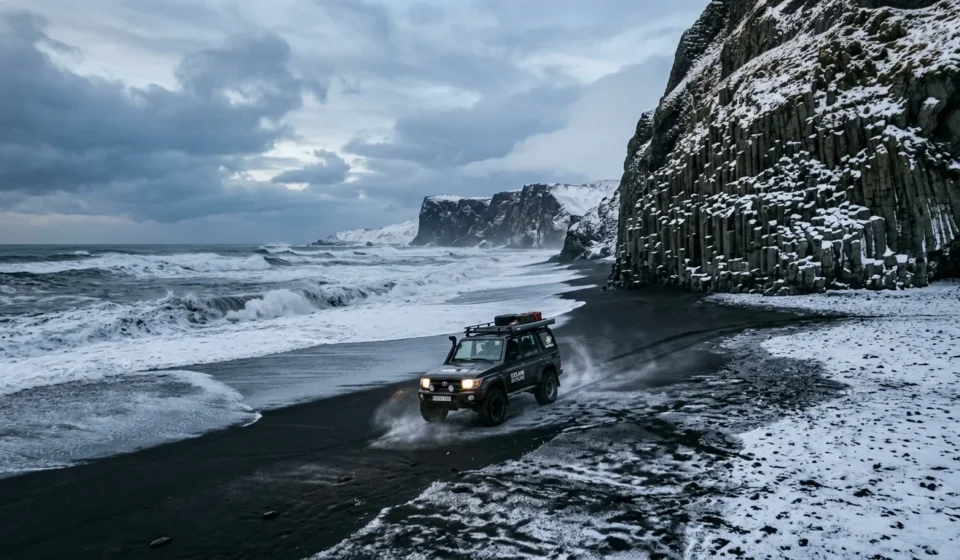
Getting around Iceland in winter can be challenging, especially if you’re not used to driving in snowy conditions. Honestly, I would recommend renting a 4×4 vehicle, as it will give you more flexibility and safety on the roads. You can rent a car from companies like Blue Car Rental or Europcar, which offer a range of vehicles and competitive prices.
When it comes to accommodation, you have a range of options to choose from, from budget-friendly guesthouses to luxury hotels. I believe that the best option is to stay in a family-run guesthouse, like the Guesthouse Ásgarður in Reykjavik, which offers cozy rooms and a warm welcome. Prices start from around $80 per night, which is a great value considering the quality of the accommodation.
Winter Activities and Experiences
Exploring the Landscape
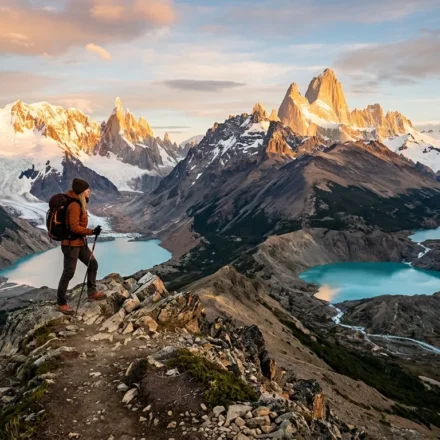
Iceland’s winter landscape is truly breathtaking, with its snow-covered mountains, frozen waterfalls, and glaciers. You can explore this landscape by taking a guided tour or renting a car and driving to some of the most scenic spots. For example, you can visit the Gullfoss waterfall, which is even more stunning in the winter, or take a hike on the Gljúfrabúi trail, which offers breathtaking views of the surrounding landscape.
But what would you do in this situation: you’re standing in front of a frozen waterfall, and you want to capture the perfect photo? Honestly, I would recommend taking a photography tour with a guide who knows the best spots and can help you get the perfect shot.
Seeing the Northern Lights
The Northern Lights are one of the most spectacular natural phenomena in the world, and Iceland is one of the best places to see them. To increase your chances of seeing the Northern Lights, you can take a guided tour or head out to a dark spot away from the city lights. I believe that the best time to see the Northern Lights is between 10 pm and 2 am, when the skies are usually at their darkest.
Here are some tips to keep in mind when trying to see the Northern Lights:
- Dress warmly, as you’ll be standing outside for a while.
- Bring a camera with a good battery life and a tripod.
- Be patient, as the Northern Lights can be unpredictable and may not appear every night.
Conclusion and Final Tips
Planning a winter escape to Iceland requires some preparation and planning, but the rewards are well worth it. With its breathtaking landscapes, unique experiences, and stunning natural phenomena, Iceland is a destination that will leave you with Unforgettable memories. To be fair, it’s not the cheapest destination, but with some careful planning, you can have a great time without breaking the bank.
In my opinion, the key to a successful winter escape in Iceland is to be flexible, patient, and open-minded. Don’t be afraid to try new things, and don’t get discouraged if the weather doesn’t cooperate. With a positive attitude and a sense of adventure, you’ll be able to make the most of your time in this winter wonderland.
So, what are you waiting for? Start planning your winter escape to Iceland today, and get ready for the adventure of a lifetime!