



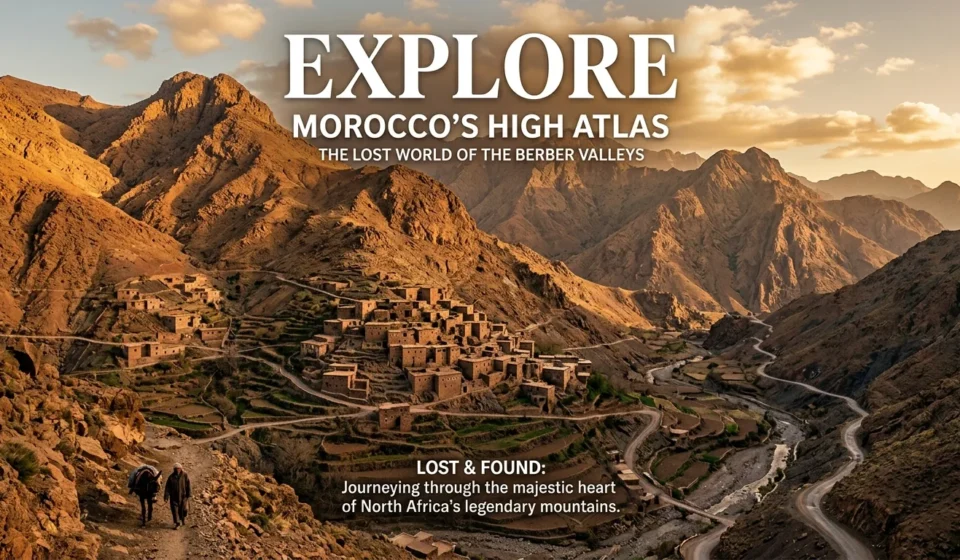

Welcome to the High Atlas: Morocco’s Soul-Stirring Peaks
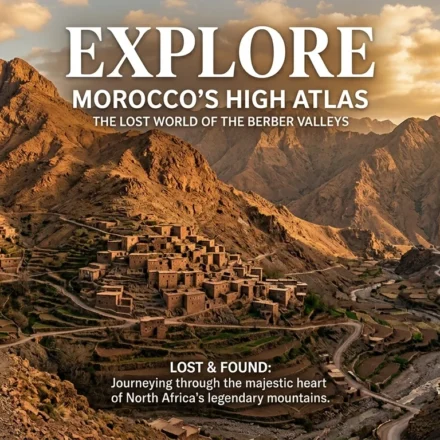
Forget the bustling souks of Marrakech for a moment. Picture towering peaks that kiss the clouds, valleys carved by ancient rivers, and a quiet rhythm of life that has persisted for centuries. This, my friend, is the High Atlas Mountains of Morocco – a landscape so breathtaking it feels like a secret whispered only to those willing to seek it out. If you’re yearning for an authentic adventure that moves beyond the typical tourist trails, a journey into these majestic mountains, home to resilient Berber communities, is exactly what your soul needs.
Table Of Content
- Welcome to the High Atlas: Morocco’s Soul-Stirring Peaks
- Crafting Your High Atlas Trek: Timing, Budget, and Logistics
- When to Visit: The Sweet Spot for Trekking
- Realistic Daily Budgets for Your Adventure
- Getting There: Transportation Tips
- On the Trail: Unforgettable Routes & Hidden Berber Gems
- Popular Starting Points and Beyond
- Recommended Treks and Hidden Gems
- Guides and Safety
- Beyond the Hike: Cultural Connections and Responsible Exploration
- Cultural Etiquette: Respecting Berber Traditions
- Sustainable Travel Practices in the Mountains
- What to Pack: Essentials for the Atlas
- Your High Atlas Journey Awaits!
I’ve crisscrossed Morocco more times than I can count, and honestly, the High Atlas always pulls me back. It’s where you truly connect with the country’s heart, trekking through landscapes that shift from lush green valleys to arid, dramatic rock formations. You’ll encounter warm hospitality in remote villages where time seems to slow down, and every vista promises a fresh perspective. Ready to ditch the tourist hordes and discover some genuine hidden gems Morocco has to offer?
Crafting Your High Atlas Trek: Timing, Budget, and Logistics
When to Visit: The Sweet Spot for Trekking
Timing is everything when it comes to Morocco trekking in the High Atlas. The shoulder seasons are your best bet. This term refers to the periods just before and after the peak season, offering milder weather and fewer crowds.
- Spring (April to May): This is arguably the most beautiful time. The valleys are green, wildflowers bloom, and the air is crisp. Daytime temperatures are comfortably warm (18-25°C or 65-77°F), perfect for hiking, though evenings can still be cool.
- Autumn (September to October): Another fantastic period with stable, sunny weather (15-22°C or 59-72°F). The heat of summer has subsided, and the air is wonderfully clear, offering incredible visibility for those epic vistas.
Avoid the scorching summer months (June-August) unless you’re sticking to higher altitudes, and the colder, sometimes snowy winter (November-March), which requires specialized gear and experience.
Realistic Daily Budgets for Your Adventure
One of the beauties of the High Atlas is that it can be incredibly affordable, making it ideal for Morocco budget travel. Here’s a rough breakdown:
- Budget Traveler ($30-50/day): Expect to stay in basic gîtes d’étape (simple guesthouses often run by local families, including dinner and breakfast for around 250-350 MAD or $25-35), eat local tagines or sandwiches (50-100 MAD or $5-10 per meal), and use shared grand taxis or local buses.
- Mid-Range Explorer ($70-120/day): You can afford a comfortable guesthouse, hire a local guide for day hikes (around 300-500 MAD or $30-50 per day, plus tips), and enjoy a mix of local eateries and slightly nicer restaurants.
- Comfort Seeker ($150+/day): This budget allows for hiring a private guide and mule support, staying in more upscale guesthouses or kasbahs (like Kasbah du Toubkal in Imlil, which offers stunning views and excellent service), and enjoying more amenities.
For a truly immersive experience, I recommend a stay duration of 3 to 7 days. This allows you to acclimatize, explore different valleys, and truly soak in the culture without rushing.
Getting There: Transportation Tips
Most High Atlas adventures start from Marrakech. The most common gateway village is Imlil, nestled at the foot of Mount Toubkal.
- Grand Taxis: These shared taxis are the most popular option. From Marrakech’s Sidi Mimoun grand taxi stand, you can find taxis heading towards Imlil. Expect to pay around 50-70 MAD ($5-7) per person for a shared ride (they typically wait until full, 6 passengers). The journey takes about 1.5-2 hours. You can also charter a private grand taxi for around 300-500 MAD ($30-50).
- Local Buses: While cheaper, they are less direct and less frequent for destinations like Imlil. They’re more practical for larger towns on the fringes of the mountains, like Ouarzazate or Beni Mellal.
- Organized Transfers: Many guesthouses and trekking companies can arrange private transfers, which are convenient but pricier.
On the Trail: Unforgettable Routes & Hidden Berber Gems
Popular Starting Points and Beyond
Imlil is often the first stop for trekkers, serving as a base for climbing Mount Toubkal, North Africa’s highest peak. While Toubkal is an incredible achievement, it’s not the only story in the High Atlas. For those seeking truly hidden Berber villages and fewer footprints, consider venturing into lesser-known valleys.
Recommended Treks and Hidden Gems
- The Imlil Valley Loop (1-2 days): Even if you don’t tackle Toubkal, a trek around Imlil is rewarding. Hike through apple and walnut groves to villages like Aroumd (just 1.5 hours walk from Imlil), nestled high above the valley floor. From Aroumd, you can continue towards the Sidi Chamarouch shrine or simply enjoy the views and local life. For accommodation, try Dar Imlil (around $35-50/night including meals) for a comfortable stay with panoramic views.
- Ouirgane Valley (2-3 days): Southwest of Imlil, the Ouirgane Valley is a lush, green oasis often overlooked. It’s fantastic for easier hikes, birdwatching, and experiencing a different side of the mountains. You’ll find a reservoir, salt mines, and a tranquil atmosphere. Directions: Take a grand taxi from Marrakech towards Asni, then another to Ouirgane. Stay at a guesthouse like Auberge Chez Momo II (around $40-60/night).
- Aït Bouguemez Valley (The Happy Valley – 4-6 days): This is my personal favorite for deep immersion and truly spectacular scenery. The Aït Bouguemez Valley is less accessible, requiring a longer drive from Marrakech (via Azilal), but it’s worth every effort. Here, you’ll find ancient granaries, dinosaur footprints, and a network of traditional mud-brick villages like Aït Imi, Timit, and Tabant. The pace of life here is incredibly slow, and the hospitality is profound. You can trek between villages, staying in different gîtes d’étape each night, experiencing genuine Berber life. This is where you really feel like an adventure travel explorer.
Guides and Safety
For anything beyond a short, well-marked day hike, hiring a local, certified guide is highly recommended, especially for multi-day treks or higher altitudes. They know the terrain, speak local dialects (Tamazight), and can facilitate invaluable cultural interactions. Ask your guesthouse in Imlil or Ouirgane for recommendations.
Safety first, always. The High Atlas Mountains can be rugged. Always carry enough water, snacks, appropriate layers, and a basic first-aid kit. Inform your guesthouse or a trusted contact of your planned route and expected return time. Weather can change quickly, so be prepared for sun, wind, and sudden showers, even in the shoulder seasons.
Beyond the Hike: Cultural Connections and Responsible Exploration
Cultural Etiquette: Respecting Berber Traditions
Interacting with the Berber people is a highlight of any High Atlas trip. They are incredibly welcoming, but a little cultural awareness goes a long way. Dress modestly, especially in villages – shoulders and knees covered for both men and women is a good rule of thumb. Always ask permission before taking photos of people, particularly women and children. A simple “Mumkin nssower?” (Can I take a photo?) goes a long way. Accept mint tea when offered; it’s a sign of hospitality.
For example, imagine this situation: You’ve just arrived in a remote village after a long day’s trek. A local family invites you in for tea. They don’t speak much English, and you speak even less Tamazight, but the warmth in their eyes and the gestures of hospitality are universal. You sit on cushions, sip sweet tea, and share simple bread. This isn’t just a meal; it’s a connection, a moment of shared humanity that transcends language barriers. These are the memories that truly stick with you.
Sustainable Travel Practices in the Mountains
As wanderers, we have a responsibility to protect these pristine environments and support the local communities. Practice sustainable travel Morocco by sticking to marked trails, carrying out all your rubbish (including organic waste), and minimizing plastic use. Support local businesses directly: buy crafts from village artisans, hire local guides and muleteers, and stay in family-run guesthouses. This ensures your tourism dollars directly benefit the people who call these mountains home. Water is precious here; be mindful of your consumption.
What to Pack: Essentials for the Atlas
Packing smart can make or break your trek. Here’s a quick rundown:
- Layers, Layers, Layers: Temperatures fluctuate greatly. Bring moisture-wicking base layers, a fleece or wool mid-layer, and a waterproof/windproof outer shell.
- Sturdy Hiking Boots: With good ankle support, broken in!
- Sun Protection: Hat, sunglasses, high SPF sunscreen. The mountain sun is strong.
- Water Bottle/Hydration Pack: Crucial. Consider a water filter/purification tablets.
- Headlamp/Torch: For early starts or guesthouses with limited lighting.
- Small Backpack: For day hikes.
- Modest Clothing: For village visits.
- Cash: Small villages often don’t have ATMs.
Don’t forget to pack your sense of adventure and an open mind. The Atlas Mountains guide you carry in your heart will be just as important as the one in your backpack.
Your High Atlas Journey Awaits!
From the moment you trade the cacophony of the city for the hushed grandeur of the High Atlas Mountains, you’ll feel a shift. This isn’t just a trip; it’s an experience that carves itself into your memory. Trekking through the Berber villages isn’t merely about ticking off a destination; it’s about connecting with a way of life, challenging yourself amidst stunning nature, and returning with stories that go far beyond any postcard.
So, are you ready to lace up your boots, breathe in that crisp mountain air, and discover the soul of Morocco? This corner of the world is waiting to share its beauty, its people, and its timeless trails with you. Start planning your High Atlas adventure today; I promise, you won’t regret a single step.