


Colombia Calling: Your Journey from Caribbean Vibes to Coffee Country
Colombia. The name itself buzzes with a certain energy, doesn’t it? For years, it was a destination whispered about, a secret shared among intrepid backpackers. Now, it’s firmly on the radar, and for good reason. From the vibrant rhythm of its Caribbean coast to the soaring peaks of the Andes and the lush, green embrace of its coffee farms, this country offers an intoxicating blend of history, culture, and pure adventure.
Table Of Content
- Colombia Calling: Your Journey from Caribbean Vibes to Coffee Country
- When to Go & What to Expect from Your Wallet
- Cartagena: Coastal Charms & Colonial Grandeur
- Bogotá: High-Altitude Culture & Urban Pulse
- The Coffee Region: Emerald Hills & Aromatic Brews
- Getting Around Colombia: Connecting the Dots
- Practicalities for Your Colombian Adventure
I’ve wandered these streets, sipped countless cups of tinto, and navigated local buses that defied gravity. And I’m here to tell you: Colombia is ready for you. Let’s map out an itinerary that hits three of its most iconic (and distinct!) regions: the colonial charm of Cartagena, the high-altitude buzz of Bogotá, and the serene beauty of the Coffee Region.
When to Go & What to Expect from Your Wallet
Colombia’s climate varies wildly with altitude. Generally, the dry season, running from December to March and again from July to August, is ideal for most regions. This is what we call the “shoulder season” in some parts of the world – often fewer crowds than peak, but still great weather. You’ll find sunshine in Cartagena, comfortable temperatures in Bogotá, and excellent hiking conditions in the Coffee Region.
As for budget, Colombia offers fantastic value. A realistic daily budget for a comfortable but not extravagant trip (think private room in a guesthouse, local meals, and some activities) would be around $40-60 USD per person per day. You can certainly go lower if you stick to hostels and street food, or higher if you prefer boutique hotels and fine dining. Expect Cartagena to be slightly pricier than Bogotá, and the Coffee Region to be the most budget-friendly.
Cartagena: Coastal Charms & Colonial Grandeur
Ah, Cartagena. Stepping into the Walled City (Ciudad Amurallada) feels like entering a living museum. Colorful colonial buildings, bougainvillea spilling over balconies, and the constant hum of street vendors and salsa music. Give yourself 2-3 full days here to soak it all in.
- Wander the Old City: Lose yourself in the labyrinthine streets. Every corner reveals another photographic moment. Don’t rush it. Find a plaza, grab a fresh juice from a palenquera (a local Afro-Colombian woman in traditional dress), and just watch the world go by.
- Explore Getsemaní: Just outside the walls, this once-gritty neighborhood is now a vibrant hub of street art, trendy bars, and lively plazas. Head to Plaza de la Trinidad in the evening for fantastic street food – the arepas con huevo are non-negotiable – and a palpable local buzz.
- Hidden Gem: Skip the more touristy beaches and consider a day trip to Playa Blanca on Barú Island. The secret? Go early, like catching the first boat out (around 8 AM) from Muelle de la Bodeguita. You’ll have a few peaceful hours before the crowds descend. Avoid the packaged tours; just take a public boat or a shared van.
Accommodation Tip: I once stayed at the charming Casa India Catalina, a family-run spot inside the Walled City, for about $60/night. It had a lovely courtyard and felt truly authentic. For food, a meal at a local comedor (small, informal eatery) will set you back $5-8, while a nicer restaurant might be $15-25.
Bogotá: High-Altitude Culture & Urban Pulse
Next, we head inland and upwards to Bogotá, Colombia’s sprawling capital, perched at a breathtaking 2,640 meters (8,660 feet). Give Bogotá 2-3 days. The altitude might hit you a bit, so take it easy on your first day.
- La Candelaria: This historic district is Bogotá’s heart, packed with colonial architecture, street art, museums, and universities. Don’t miss the Museo del Oro (Gold Museum) – its collection is truly dazzling – and the Botero Museum.
- Monserrate: Take the cable car or funicular up to Monserrate for unparalleled panoramic views of the city, especially stunning at sunset. It’s a bit of a pilgrimage, both literally and figuratively.
- Local Quirk: Try chicha, a fermented corn drink with pre-Columbian roots. You’ll find it in small, unassuming chicherías in La Candelaria. It’s an acquired taste, perhaps, but a genuine cultural experience.
Transportation: Bogotá’s TransMilenio bus system is efficient but can be overwhelming. For shorter distances or late nights, taxis or ride-sharing apps like Uber/Cabify are your best bet. Always use registered taxis or apps for safety. A taxi ride across the city might be $5-10. A budget guesthouse in La Candelaria runs about $30-45/night, and meals are similar to Cartagena, perhaps a touch cheaper outside the tourist zones.
The Coffee Region: Emerald Hills & Aromatic Brews
From Bogotá, a short flight (around 1 hour, $50-100) will take you to Armenia or Pereira, gateways to the Zona Cafetera. This region is a complete change of pace: rolling emerald hills, misty mornings, and the aroma of coffee hanging in the air. Plan for 3-4 days here.
- Salento: This colorful, charming town is your perfect base. Explore its artisan shops and enjoy a coffee at a café overlooking the central plaza.
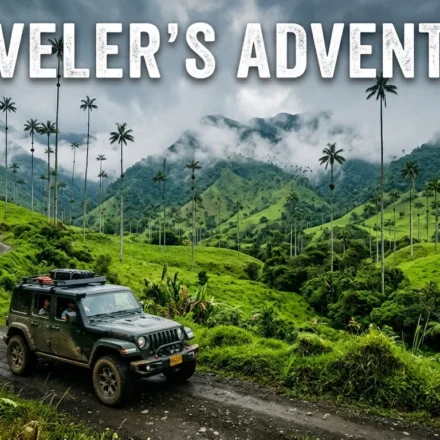
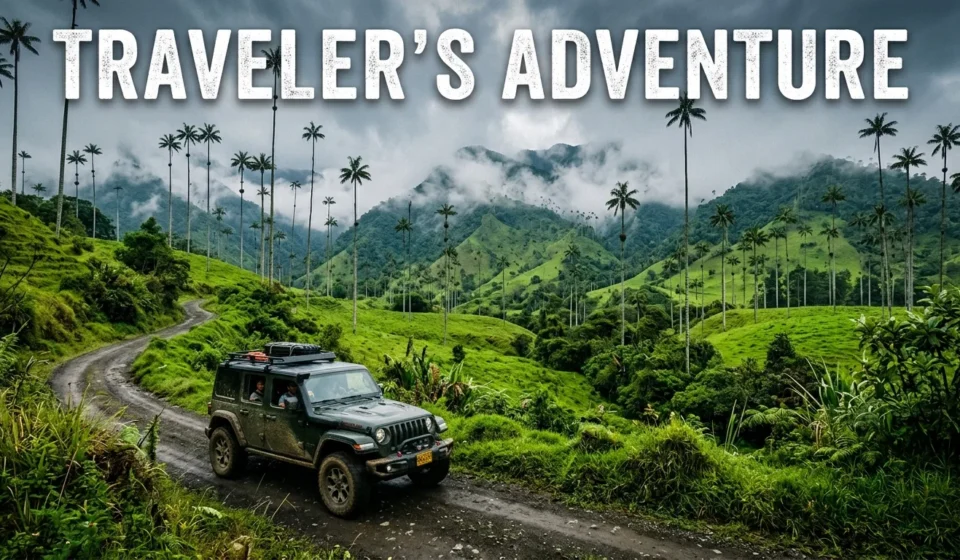
- Valle de Cocora: The star attraction. Hike among the towering wax palms (palma de cera), Colombia’s national tree, which can reach over 60 meters! You can rent a horse or hike the full loop (5-6 hours) or just do a shorter walk to the viewpoint. Catch a shared Jeep (known locally as a “Willys”) from Salento’s main plaza for about $1-2 each way.
- Coffee Farm Tour: Essential! I highly recommend a tour at a working finca. Finca El Ocaso Salento (GPS: 4.6366, -75.5684) offers fantastic English-speaking tours, detailing the bean-to-cup process. It’s an easy walk or short Jeep ride from Salento. You’ll pay around $10-15 for the tour, and the coffee, of course, is exquisite.
Accommodation Tip: Staying on a coffee finca outside Salento is a truly immersive experience. Places like Finca Tumbaga offer beautiful rooms and incredible hospitality for around $40-70/night, often including breakfast and stunning views.
Getting Around Colombia: Connecting the Dots
Internal flights are the fastest way between distant cities like Bogotá and Cartagena, or Bogotá and the Coffee Region. Major airlines include Avianca, LATAM, and Wingo. For shorter distances, or if you’re keen on seeing the landscape roll by, long-distance buses are comfortable and very affordable. A bus from Salento to Medellín, for instance, might be $15-25 for a 7-8 hour journey.
Practicalities for Your Colombian Adventure
- Safety: Colombia has made incredible strides. Use common sense: don’t flash valuables, be aware of your surroundings, especially at night, and always take registered taxis or ride-sharing apps. Leave important documents in your accommodation safe.
- Cultural Etiquette: Colombians are incredibly warm and friendly. A simple “Buenos días/tardes/noches” goes a long way. “Por favor” and “Gracias” are essential. Don’t be surprised by direct eye contact; it’s a sign of respect.
- Sustainable Travel: Support local businesses – eat at small restaurants, buy from artisan markets. Minimize plastic use. When visiting natural areas like Valle de Cocora, stick to marked trails and leave no trace.
- Packing: Layers are key! Cartagena is hot and humid. Bogotá is cool, often chilly in the evenings, with a chance of rain. The Coffee Region is mild by day, cool by night. Good walking shoes are a must.
Colombia is a country that will surprise you, challenge you, and ultimately, captivate you. It’s a land of contrasts, of vibrant colors and deep histories, of mountains that touch the clouds and beaches kissed by the Caribbean sun. Are you ready to dive into its rhythm?