





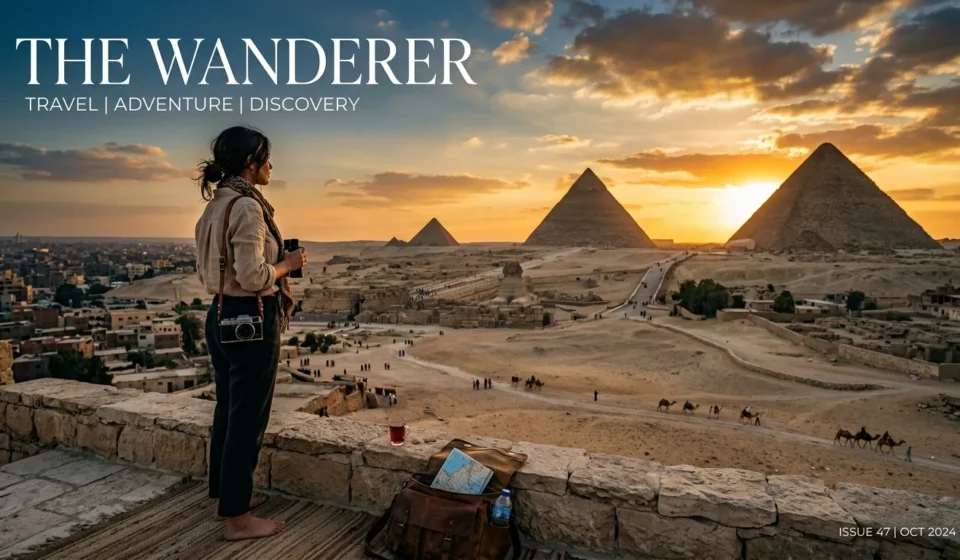

Unlock Egypt Without Breaking the Bank: Your Ultimate Budget Travel Guide
Ah, Egypt! The land of pharaohs, timeless pyramids, bustling souks, and the mighty Nile. For many, it conjures images of grand tours and hefty price tags. But what if I told you that experiencing the magic of Egypt doesn’t require emptying your savings? As someone who’s spent weeks navigating its ancient alleys and desert paths with a backpack and a tight budget, I can confirm: a truly enriching, affordable Egyptian adventure is absolutely within reach. Forget the cookie-cutter tours; we’re going to dive into how to uncover Egypt’s wonders like a seasoned explorer, on a budget that will make your wallet smile.
Table Of Content
- Unlock Egypt Without Breaking the Bank: Your Ultimate Budget Travel Guide
- Laying the Groundwork: When to Go, How Long to Stay, and Your Daily Budget
- Timing is Everything: Best Seasons for Your Wallet and Comfort
- How Long to Stay & What to Expect to Spend
- Getting Around Egypt: Navigating on a Dime
- Embrace Public Transport: Trains, Buses, and Microbuses
- Nile Journeys on a Budget: Feluccas and Local Ferries
- Sleeping and Eating Smart: Local Stays & Street Eats
- Accommodation: Beyond the Big Hotels
- Feast Like a Pharaoh (on a Pauper’s Budget): Street Food & Local Eateries
- Uncovering Egypt’s Secrets Without the Tourist Price Tag
- Free & Cheap Attractions: Beyond the Pyramids
- Hidden Gems & off-the-beaten-path Experiences
- Safety, Cultural Etiquette, and Sustainable Travel
- Your Egyptian Adventure Awaits!
- Frequently Asked Questions
- What is the best time to visit Egypt on a budget?
- How long should I stay in Egypt to truly experience it?
- What is a realistic daily budget for a budget-conscious traveler in Egypt?
- How can I get around Egypt affordably?
- What are some tips for saving money on accommodations and food in Egypt?
This guide isn’t about cutting corners on experience; it’s about smart choices, local immersion, and discovering the authentic heart of Egypt without the tourist fluff. We’ll cover everything from the best time to visit to eating like a local and finding those hidden gems that most travelers miss. Ready to plan your dream trip to Egypt without the financial stress? Let’s get started.
Laying the Groundwork: When to Go, How Long to Stay, and Your Daily Budget
Timing is Everything: Best Seasons for Your Wallet and Comfort
The “best time” to visit Egypt is often subjective, but for budget travelers, it’s about balancing good weather with fewer crowds and lower prices. Avoid the peak winter months (December to February) when European tourists flock to the Nile, driving up accommodation and tour prices. Likewise, the scorching summer (June to August) can be unbearable, especially in Upper Egypt (Luxor, Aswan), making sightseeing difficult and costly if you rely on air-conditioned transport.
In my opinion, the shoulder seasons are your best bet: late Fall (October to November) and early Spring (March to April). During these periods, the weather is pleasantly warm, ideal for exploring, and tourist numbers are manageable. This means better deals on guesthouses, fewer queues at major sites, and a more relaxed atmosphere overall. You’ll still find sunshine, but without the intense heat or the peak season price hikes.
How Long to Stay & What to Expect to Spend
To truly experience Egypt without rushing, I recommend a stay of at least 10 to 14 days for first-timers. This allows enough time to explore Cairo and its pyramids, travel south to Luxor and Aswan for the temples, and perhaps even include a relaxing few days on the Red Sea coast (like Dahab) or an off-the-beaten-path oasis. For those embracing slow travel (a philosophy of traveling at a more leisurely pace to engage more deeply with a destination), a three-week trip would be ideal, allowing you to linger in cities and explore lesser-known areas.
Now, let’s talk numbers. A realistic daily budget for a budget-conscious traveler in Egypt typically ranges from $25 to $40 USD per day. This is for an individual staying in hostels or basic guesthouses, eating local food, and using public transport. If you prefer a bit more comfort (e.g., private rooms in mid-range hotels, occasional taxis, a few paid tours), budget around $50 to $70 USD per day. Here’s a quick breakdown:
- Accommodation: $10-25/night (hostel dorms, basic guesthouses)
- Food: $5-15/day (street food, local restaurants)
- Local Transport: $3-10/day (buses, microbuses, metro)
- Activities/Entrance Fees: $5-20/day (many sites are ~$5-10 each, but multiple add up)
Remember, this doesn’t include international flights or major multi-day tours like a Nile cruise (which can easily add hundreds). Focus on individual activities and local transport to keep costs down.
Getting Around Egypt: Navigating on a Dime
Embrace Public Transport: Trains, Buses, and Microbuses
Forget expensive private transfers or internal flights. Egypt’s public transport system, while sometimes chaotic, is incredibly affordable and offers a fantastic glimpse into local life. For longer distances between major cities like Cairo, Luxor, and Aswan, the overnight trains are your best friends. The sleeper trains can be pricey for tourists (starting around $80-100 for a bed), but the regular seated trains are a steal. For example, a second-class ticket from Cairo to Luxor can be as low as $10-15 USD, though they can be less comfortable and booking directly at the station a day or two in advance is key. For a slightly more comfortable ride with AC, private bus companies like GoBus or West & Middle Delta offer routes between cities for $5-15 USD.
Within cities, especially Cairo, the metro is clean, efficient, and incredibly cheap (a ride costs less than $0.50). For shorter distances, microbuses (small vans that follow set routes) are ubiquitous and cost pennies. Just shout your destination to the driver, hop in, and pay when you get out. Honestly, it’s an experience in itself! For example, imagine this situation: you’re in Cairo, trying to get from Tahrir Square to Khan el-Khalili bazaar. Instead of a $5 taxi, you can hop on a microbus for less than 50 cents, sharing the ride with locals, soaking in the city’s rhythm. It’s not just cheaper; it’s a genuine cultural immersion.
Nile Journeys on a Budget: Feluccas and Local Ferries
A Nile experience doesn’t have to mean a pricey cruise ship. In Aswan, you can hire a traditional wooden sailboat called a felucca for a few hours, a full day, or even an overnight trip with a local captain. Sharing the cost with other travelers can bring a full-day trip down to $20-40 USD per person, including meals. This is a truly authentic and serene way to experience the Nile. For crossing the Nile in places like Aswan (to Elephantine Island) or Luxor (to the West Bank), simply use the local ferries which cost mere cents. They run frequently and are an integral part of daily life for Egyptians.
Sleeping and Eating Smart: Local Stays & Street Eats
Accommodation: Beyond the Big Hotels
One of the easiest ways to cut costs in Egypt is by choosing your accommodation wisely. Skip the international hotel chains. Instead, opt for local hostels, guesthouses, and family-run establishments. In Cairo, look for hostels in Downtown near Tahrir Square; you can find clean, comfortable dorms for $10-15 USD/night, or private rooms for $20-30. In Aswan, staying on Elephantine Island (GPS: 24.0847° N, 32.8953° E) in a Nubian guesthouse is an absolute must. For around $20-35/night, you get stunning Nile views, incredible hospitality, and delicious home-cooked meals. Similarly, in Luxor, the West Bank offers charming, affordable guesthouses that are close to the Valley of the Kings and Queens, often with rooftop terraces and garden views.
Often, these local spots offer a much more personal experience. You’re not just a room number; you become part of the family, gaining insights into local life that a sterile hotel can’t provide. Plus, they often have excellent tips for local eateries and activities.
Feast Like a Pharaoh (on a Pauper’s Budget): Street Food & Local Eateries
Egyptian food is delicious, hearty, and incredibly budget-friendly if you know where to look. Ditch the tourist restaurants and dive into the world of street food and local eateries. Your daily food budget can easily be $5-10 if you embrace this strategy. Here’s what to look for:
- Koshary: Egypt’s national dish, a delicious mix of rice, macaroni, lentils, chickpeas, and tomato sauce, often topped with fried onions. A large bowl costs $1-2 USD. Head to Koshary Abou Tarek in Cairo (GPS: 30.0483° N, 31.2338° E) for the authentic experience.
- Ta’ameya (Egyptian Falafel): Made from fava beans (instead of chickpeas), these deep-fried patties are served in fresh pita bread with salad and tahini. Perfect for breakfast or a snack, costing less than $1.
- Ful Medames: Slow-cooked fava beans, often served with olive oil, lemon, and bread. Another staple breakfast, incredibly filling and cheap.
- Hawawshi: Egyptian meat-filled pita bread, baked until crispy. A flavorful and satisfying meal for a few dollars.
To be fair, while street food is generally safe, always choose vendors with a high turnover of customers – that’s a good sign of freshness. And keep an eye out for small, bustling local restaurants (often called “mat’am”) that cater to Egyptians; their menus might not be in English, but pointing and smiling usually works wonders.
Uncovering Egypt’s Secrets Without the Tourist Price Tag
Free & Cheap Attractions: Beyond the Pyramids
While the major archaeological sites (Pyramids of Giza, Karnak Temple, Valley of the Kings) have entrance fees (typically $10-20 USD each), there are plenty of free or low-cost ways to soak in Egypt’s atmosphere. Wander through the labyrinthine alleys of Cairo’s Khan el-Khalili Bazaar, where the sights, sounds, and smells are an experience in themselves (just be ready to bargain!). Take a stroll along the Corniche beside the Nile in any city, especially at sunset. Explore a local market – the fruit and vegetable markets are vibrant and fascinating. Many mosques, like the magnificent Mosque of Ibn Tulun in Cairo, offer free entry (though donations are appreciated, and respectful dress is required).
Hidden Gems & off-the-beaten-path Experiences
This is where the real magic happens for budget travelers. Instead of just hitting the main sites, carve out time for places fewer tourists reach:
- Faiyum Oasis & Wadi El-Rayan: A stunning natural escape about 2-3 hours southwest of Cairo. You can take a local bus to Faiyum city, then a shared taxi to explore the waterfalls of Wadi El-Rayan, the famous Magic Lake, and the charming artisan village of Tunis (GPS for Tunis Village: 29.3562° N, 30.7656° E). It’s a world away from the hustle of Cairo and offers unique desert landscapes and birdwatching opportunities.
- Elephantine Island, Aswan: As mentioned, staying here is great, but even a day trip is wonderful. Take the local ferry (1 EGP!) and explore the Nubian villages, ancient ruins, and botanical gardens. It’s a peaceful, authentic slice of Nile life.
- Valley of the Nobles (Luxor West Bank): While everyone flocks to the Valley of the Kings, the Valley of the Nobles offers beautifully preserved tombs of high officials, often with vibrant daily life scenes, for a fraction of the crowds and a slightly lower entry fee. Ask local guesthouses for directions; it’s a short taxi or even bicycle ride from many West Bank accommodations.
These spots require a bit more independent travel, which aligns perfectly with a budget approach and yields richer experiences.
Safety, Cultural Etiquette, and Sustainable Travel
Travel in Egypt is generally safe, but common sense is always your best guide. Be aware of your surroundings, especially in crowded areas like markets, and keep valuables secure. Dress modestly, especially when visiting religious sites, to show respect. Women may find it comfortable to carry a light scarf to cover their heads when entering mosques. When it comes to prices, bargaining is expected in markets and for taxis without meters – do it with a smile and a good sense of humor!
Finally, let’s not forget our responsibility as travelers. Embrace sustainable travel practices: minimize plastic use (carry a reusable water bottle), support local businesses directly (guesthouses, independent guides, small restaurants), and always respect the ancient sites and local culture. Don’t touch artifacts, don’t litter, and ask permission before photographing people.
So far we’ve covered the practicalities of timing, budgeting, getting around, and finding authentic food and lodging. Now, let’s get to the really critical point: the mindset. Traveling on a budget in Egypt isn’t just about saving money; it’s about opening yourself up to experiences that often bypass those on packaged tours. It’s about taking the local bus, sharing tea with a shopkeeper, and getting lost in the rhythm of a culture thousands of years old. But what would you do in this situation if you felt overwhelmed by the bargaining or the sheer sensory input? Take a deep breath, smile, and remember you’re having an adventure!
Your Egyptian Adventure Awaits!
Egypt is an extraordinary destination, brimming with history, culture, and incredibly warm people. By adopting a budget-friendly mindset and following these tips, you’re not just saving money; you’re opening the door to a more authentic, immersive, and truly unforgettable journey. You’ll eat better, meet more locals, and see places that many travelers only dream of. From bargaining for a souvenir in Khan el-Khalili to watching the sunset over the Nile from a felucca, every experience will be richer because you’ve earned it through smart, independent travel.
So, pack your bags, embrace the adventure, and prepare to be captivated by the magic of Egypt, all while keeping your budget happily intact. The pyramids are calling, and they’re more accessible than you think!
Frequently Asked Questions
What is the best time to visit Egypt on a budget?
The best time to visit Egypt on a budget is during the shoulder seasons, which are late Fall (October to November) and early Spring (March to April). During these periods, the weather is pleasantly warm, ideal for exploring, and tourist numbers are manageable, resulting in better deals on accommodations and fewer queues at major sites.
How long should I stay in Egypt to truly experience it?
To truly experience Egypt without rushing, it is recommended to stay for at least 10 to 14 days for first-timers. This allows enough time to explore Cairo and its pyramids, travel south to Luxor and Aswan for the temples, and perhaps even include a relaxing few days on the Red Sea coast or an off-the-beaten-path oasis.
What is a realistic daily budget for a budget-conscious traveler in Egypt?
A realistic daily budget for a budget-conscious traveler in Egypt typically ranges from $25 to $40 USD per day. This includes staying in hostels or basic guesthouses, eating local food, and using public transport. For more comfort, budget around $50 to $70 USD per day.
How can I get around Egypt affordably?
To get around Egypt affordably, it is recommended to use public transport, such as trains, buses, and microbuses. Overnight trains are a great option for longer distances between major cities like Cairo, Luxor, and Aswan. This not only saves money but also offers a glimpse into local life.
What are some tips for saving money on accommodations and food in Egypt?
To save money on accommodations, consider staying in hostels or basic guesthouses, which can cost between $10-25 per night. For food, opt for local restaurants and street food, which can cost between $5-15 per day. Additionally, using public transport and avoiding expensive private transfers or internal flights can also help keep costs down.