





Beyond Bali: Why Latin America Beckons Budget-Conscious Digital Nomads
Let’s be honest: Bali has become synonymous with the digital nomad dream. But for many budget-conscious remote workers, the island’s rising costs and over-tourism are starting to dim its allure. If you’re yearning for a fresh adventure, a place where your dollars stretch further, and where authentic cultural experiences are around every corner, then it’s time to cast your gaze towards Latin America. This vibrant continent offers an incredible tapestry of landscapes, history, and hospitality, perfect for those ready to dive deep into a new way of living and working.
Table Of Content
- Beyond Bali: Why Latin America Beckons Budget-Conscious Digital Nomads
- Setting the Stage: Key Considerations for Your Latin American Base
- Hub Spotlight: Medellín, Colombia & Oaxaca, Mexico
- Medellín, Colombia: The City of Eternal Spring
- Oaxaca, Mexico: A Cultural Gem
- More Hidden Gems: Cuenca, Ecuador & Antigua, Guatemala
- Cuenca, Ecuador: The Andean Jewel
- Antigua, Guatemala: Colonial Charm with a Creative Vibe
- The Pacific Whisper: Valparaíso, Chile
- Valparaíso, Chile: Bohemian Rhapsody by the Sea
- Your Latin American Adventure Awaits
- Frequently Asked Questions
- What are the key considerations for a digital nomad hub in Latin America?
- Why is Medellín, Colombia a top pick for budget-conscious remote workers?
- What is the best time to visit Medellín, Colombia?
- How can digital nomads make the most of their stay in Latin America?
- What are some tips for negotiating prices at local markets in Latin America?
Having crisscrossed Latin America for over a decade, I’ve seen firsthand how many cities are quietly transforming into thriving hubs for remote workers. They offer reliable internet, welcoming communities, and a cost of living that makes a long-term stay not just possible, but incredibly comfortable. Forget the endless “top 10 lists” that recommend the same few places; this guide is about uncovering those emerging digital nomad hubs where your budget will thank you, and your sense of adventure will be richly rewarded.
Setting the Stage: Key Considerations for Your Latin American Base
Before we dive into specific destinations, let’s talk about what makes a great digital nomad hub in Latin America, especially when you’re watching your wallet. Connectivity is king – a stable internet connection is non-negotiable. Look for places with fiber optic options, and always check reviews for co-working spaces or cafes with good Wi-Fi. Safety is another paramount concern; while many Latin American cities have reputations, countless neighborhoods are perfectly safe, friendly, and ideal for long-term stays. It’s all about doing your research and exercising common sense, just like anywhere else in the world.
Culturally, Latin America is diverse and rich. Embracing slow travel – the practice of taking your time to explore a destination deeply, rather than rushing through – allows you to truly immerse yourself. This means learning some basic Spanish (or Portuguese, depending on the country), trying local foods, and engaging with the community. Sustainable travel practices are also crucial: support local businesses, minimize your environmental footprint, and be respectful of local customs. For example, imagine this situation: you’re negotiating a price at a local market. Instead of aggressively bartering, approach it with a smile, a few Spanish phrases, and a genuine interest in the artisan’s craft. You’ll often find a better deal and build a connection.
Hub Spotlight: Medellín, Colombia & Oaxaca, Mexico
Medellín, Colombia: The City of Eternal Spring
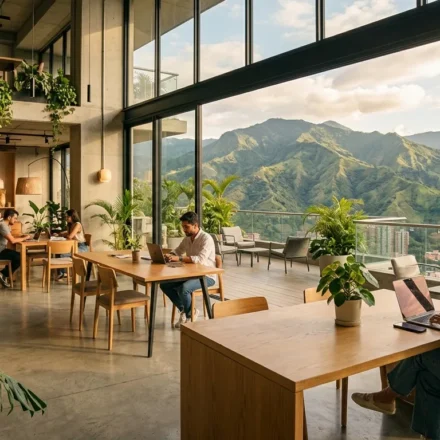
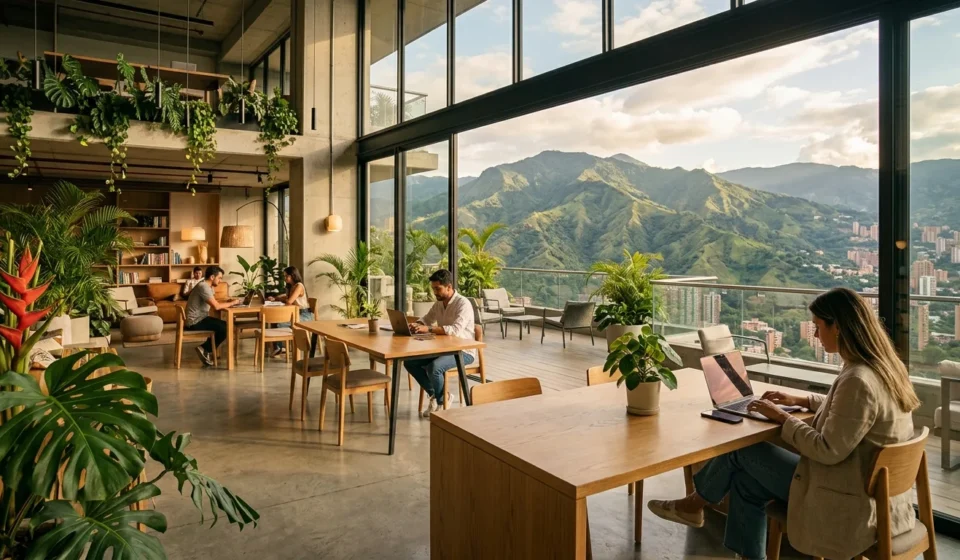
Medellín has truly reinvented itself, shedding its past reputation to become one of Latin America’s most innovative and welcoming cities. Its pleasant climate, modern infrastructure (including a fantastic metro system), and burgeoning tech scene make it a top pick for budget-conscious remote workers. The El Poblado neighborhood is popular, but Laureles offers a more local, relaxed vibe with plenty of cafes and co-working spots.
- Best Time to Visit: Year-round, thanks to its consistent spring-like weather (average 22°C/72°F). The dry season (December-February and June-August) is often preferred for outdoor activities.
- Realistic Daily Budget: Expect $35-$50 USD per day. This includes a private room in a good hostel or a mid-range Airbnb ($20-$30), local meals ($10-$15), and transport/activities ($5-$10).
- Recommended Stay: 1-3 months to truly settle in, learn some salsa, and explore beyond the city.
- Transportation: The Medellín Metro is clean, efficient, and covers much of the city. A single ride is about $0.70 USD. Taxis and ride-sharing apps like Uber/Didi are also affordable for longer distances.
- Hidden Gem: Take the Metro Cable up to Parque Arví for stunning views and hiking trails. It feels a world away from the city bustle.
- Accommodation Example: A private room in a co-living space or a furnished studio in Laureles can be found for $300-$500/month if booked in advance.
- Safety Tip: Always be aware of your surroundings, especially at night. Avoid displaying expensive electronics in public. Cultural Etiquette: Colombians are friendly; a simple “Buenos días” or “Con permiso” goes a long way.
Oaxaca, Mexico: A Cultural Gem
Oaxaca City, in Southern Mexico, is a UNESCO World Heritage site renowned for its vibrant indigenous cultures, incredible cuisine (hello, mole and mezcal!), and thriving arts scene. It offers a slower pace of life compared to Mexico City, making it ideal for those seeking cultural immersion and affordability. The internet infrastructure has improved significantly, with many cafes and co-working spaces offering reliable connections.
- Best Time to Visit: October to April, when the weather is dry and pleasant. Avoid May-September if you dislike humidity and rain, though the greenery is lush then.
- Realistic Daily Budget: $30-$45 USD. You can get a comfortable Airbnb room for $15-$25, enjoy delicious street food for $5-$10, and local transport for minimal cost.
- Recommended Stay: At least 1 month to explore the city, its surrounding artisan villages, and participate in cooking classes.
- Transportation: The city center is very walkable. For longer distances, local buses are incredibly cheap ($0.50) or use affordable taxis/DiDi.
- Hidden Gem: Take a colectivo (shared taxi) to San Martín Tilcajete to witness the creation of intricate alebrijes (wood carvings). It’s a truly unique cultural experience.
- Accommodation Example: A charming private room in a guesthouse near Santo Domingo for $400/month or a small apartment for $600/month.
- Safety Tip: Oaxaca is generally very safe, but standard precautions apply. Cultural Etiquette: Always greet shopkeepers and ask permission before taking photos of people. Support local artisans directly.
More Hidden Gems: Cuenca, Ecuador & Antigua, Guatemala
Cuenca, Ecuador: The Andean Jewel
Nestled high in the Andes, Cuenca is another UNESCO World Heritage city, famous for its colonial architecture, beautiful rivers, and relaxed atmosphere. It’s particularly popular with expats and retirees, which means a good infrastructure for comfortable living, including reliable internet and a variety of dining options, all at remarkably low prices. The air is clean, the people are friendly, and the pace of life is wonderfully unhurried.
- Best Time to Visit: June-August and December-February are generally drier, but Cuenca enjoys a temperate climate year-round.
- Realistic Daily Budget: $25-$40 USD. Accommodation can be as low as $15-$25 for a private room, delicious almuerzos (lunch specials) are $3-$5, and buses are very cheap.
- Recommended Stay: 2-3 months to explore the city and nearby Cajas National Park.
- Transportation: Cuenca is very walkable. Buses are plentiful and cost around $0.35 USD per ride. Taxis are also very affordable.
- Hidden Gem: Take a bus (or hike) to Turi Mirador for panoramic views of the city, especially at sunset.
- Accommodation Example: A furnished apartment in the historic center can be found for $350-$550/month.
- Safety Tip: Cuenca is considered one of Ecuador’s safest cities. Use caution as you would in any urban area. Cultural Etiquette: Punctuality is less strict than in some Western cultures, but it’s always polite to be on time.
Antigua, Guatemala: Colonial Charm with a Creative Vibe
Surrounded by volcanoes, Antigua is another stunning UNESCO site, famous for its well-preserved Spanish colonial architecture, cobblestone streets, and vibrant colors. It’s a magnet for travelers and a growing number of digital nomads, drawn by its beauty, strong sense of community, and affordable living costs. Internet speeds are generally good, and there are several co-working spaces. It’s also a fantastic base for learning Spanish or exploring the Guatemalan highlands.
- Best Time to Visit: November to May (dry season) offers sunny days and clear views of the volcanoes.
- Realistic Daily Budget: $30-$50 USD. A private room in a guesthouse is $20-$30, local food is incredibly cheap ($5-$10), and transport is minimal.
- Recommended Stay: 2 weeks to 2 months. It’s a great hub for exploring Lake Atitlán and other nearby attractions.
- Transportation: Antigua is easily explored on foot. For nearby towns, chicken buses (converted American school buses) are cheap and an experience in themselves ($0.50-$2). Taxis are also available.
- Hidden Gem: Hike up to Cerro de la Cruz at sunrise for breathtaking views of Antigua and the surrounding volcanoes.
- Accommodation Example: A comfortable room in a family-run guesthouse for $450/month or a small apartment for $600/month if you haggle and book long-term.
- Safety Tip: Antigua is generally safe for tourists, but petty crime can occur. Avoid walking alone late at night. Cultural Etiquette: Politeness and respect for indigenous culture are highly valued. Learn a few phrases in Kaqchikel if you can!
The Pacific Whisper: Valparaíso, Chile
Valparaíso, Chile: Bohemian Rhapsody by the Sea
Valparaíso is a truly unique city, clinging to hillsides overlooking the Pacific Ocean. Its UNESCO-listed historic quarter is a labyrinth of colorful houses, street art, steep ascensores (funiculars), and bohemian charm. It’s a city that inspires creativity, offering a distinct alternative for budget-conscious digital nomads seeking a vibrant, artistic atmosphere. While not as cheap as some other Latin American options, it offers excellent value for a developed country like Chile.
- Best Time to Visit: December to March (Chilean summer) for the best weather, though it can be crowded. Shoulder season (October-November, April-May) offers pleasant weather with fewer tourists.
- Realistic Daily Budget: $40-$60 USD. Accommodation can range from $25-$40, while food is around $15-$20, and transport is efficient.
- Recommended Stay:</ 化粧gt; 1-2 months to truly soak in the city's artistic vibe and explore nearby Viña del Mar.
- Transportation: Walk the hills, take the historic ascensores ($0.30-$0.50), or use local buses for longer distances. Taxis are also readily available.
- Hidden Gem: Explore Cerro Alegre and Cerro Concepción for their street art, boutique shops, and hidden staircases. The best way to discover them is by simply getting lost.
- Accommodation Example: A private room in a bohemian guesthouse or a small apartment in a cerro (hill) neighborhood for $500-$700/month.
- Safety Tip: Valparaíso has a reputation for petty crime, especially on the lower flat areas at night. Stick to the well-lit, tourist-heavy cerros after dark. Cultural Etiquette: Chileans are more reserved initially but incredibly warm once you get to know them. Picadas (local eateries) offer amazing, cheap food.
Your Latin American Adventure Awaits
Leaving the well-trodden paths of popular nomad destinations can feel daunting, but honestly, it’s where the most rewarding experiences often lie. Latin America offers a smorgasbord of options for the budget-conscious digital nomad, each with its own unique flavor, community, and rhythm. From the eternal spring of Medellín to the artistic hills of Valparaíso, these cities aren’t just places to work remotely; they’re invitations to live more fully, connect more deeply, and expand your horizons far beyond what a predictable travel itinerary might offer.
So, what are you waiting for? Pick a spot that sparks your interest, do a little more digging, and start planning that flight. The real adventure, the kind that truly transforms you, begins when you step beyond the familiar and embrace the unknown. Your next incredible chapter as a remote worker is waiting for you in Latin America. Which hub will you choose for your next deep dive?
Frequently Asked Questions
What are the key considerations for a digital nomad hub in Latin America?
The key considerations include a stable internet connection, safety, and a culturally rich and diverse environment. Digital nomads should look for places with fiber optic options, reliable co-working spaces, and a strong sense of community. Additionally, embracing slow travel and sustainable practices can enhance the overall experience.
Why is Medellín, Colombia a top pick for budget-conscious remote workers?
Medellín has reinvented itself as a welcoming and innovative city, offering a pleasant climate, modern infrastructure, and a burgeoning tech scene. The city's consistent spring-like weather, affordable daily budget of $35-$50 USD, and numerous co-working spots make it an attractive destination for digital nomads.
What is the best time to visit Medellín, Colombia?
The best time to visit Medellín is year-round, thanks to its consistent spring-like weather. However, the dry season (December-February and June-August) is often preferred for outdoor activities, with average temperatures ranging from 22°C/72°F.
How can digital nomads make the most of their stay in Latin America?
Digital nomads can make the most of their stay by embracing slow travel, learning basic Spanish or Portuguese, trying local foods, and engaging with the community. They can also support local businesses, minimize their environmental footprint, and be respectful of local customs to have a more authentic and sustainable experience.
What are some tips for negotiating prices at local markets in Latin America?
When negotiating prices at local markets, digital nomads should approach the situation with a smile, a few Spanish phrases, and a genuine interest in the artisan's craft. This can often lead to better deals and build connections with the local community, making for a more enjoyable and immersive experience.