





Your Guide to a Responsible Galapagos Adventure
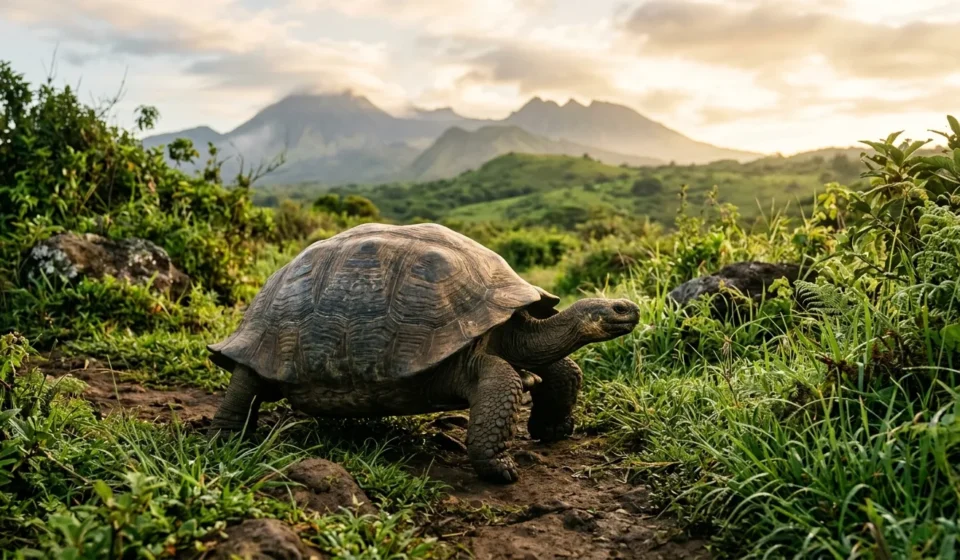
Imagine stepping onto an island where wildlife roams fearlessly, utterly unconcerned by your presence. Where ancient giant tortoises slowly lumber across your path, marine iguanas bask on volcanic rocks, and boobies dive for fish just meters from shore. This isn’t a dream; it’s the Galapagos Islands, a place so extraordinary it often feels like stepping onto another planet. But what would happen if everyone visited without a thought for its fragile ecosystem? The magic would fade, wouldn’t it?
Table Of Content
- Your Guide to a Responsible Galapagos Adventure
- Choosing Your Galapagos Adventure Wisely
- Best Time to Visit & Realistic Budgets
- Minimizing Your Environmental Footprint
- Ethical Wildlife Viewing & Local Guides
- Supporting Local & Respecting Culture
- Beyond the Main Tourist Spots: A “Hidden Gem” Perspective
- Final Thoughts: Be a Guardian of the Galapagos
That’s why sustainable travel in the Galapagos isn’t just a buzzword; it’s an absolute necessity. As someone who’s spent more than a decade exploring the world’s most delicate ecosystems, I can tell you there are few places on Earth where your choices as a traveler have such a direct and immediate impact. You have a unique opportunity to be part of the solution, ensuring these islands remain pristine for generations to come. Let’s dive into how you can make your Galapagos trip an unforgettable, eco-conscious adventure.
Choosing Your Galapagos Adventure Wisely
Your first big decision will be how you want to experience the islands: a cruise-based tour or a land-based adventure. Both have their merits, but for a truly sustainable experience, there are key differences to consider. Cruise-based tours often allow you to cover more ground and reach more remote islands, but choose smaller, locally-owned vessels. Large ships can have a bigger environmental footprint, so always ask about their waste management, water treatment, and fuel efficiency.
Alternatively, a land-based tour involves staying in hotels on inhabited islands (Santa Cruz, San Cristobal, Isabela, Floreana) and taking day trips. This approach often allows for deeper immersion in local communities and supports local businesses directly. It can also be more budget-friendly. Personally, I lean towards land-based options with selective day trips, as it gives you more flexibility and a chance to experience daily island life. A typical land-based itinerary might involve flying into Baltra (GPS) or San Cristobal (SCY), and then using inter-island ferries (around $30-40 per person, 2-3 hours) to hop between Santa Cruz, Isabela, and San Cristobal.
Best Time to Visit & Realistic Budgets
The Galapagos has two main seasons, and both offer incredible experiences. The “warm and wet” season runs from December to May, characterized by lush green landscapes, warmer air and water temperatures (great for swimming and snorkeling), and higher chances of rain showers. The “cool and dry” season, or Garúa season, from June to November, brings cooler temperatures, choppier seas, and misty weather (garúa) in the highlands, but clearer underwater visibility and active marine life, especially for diving. Honestly, there’s no bad time to visit, but consider what activities you prioritize.
Let’s talk money, because the Galapagos isn’t a budget destination, but it can be done smart. You’re looking at a mandatory $100 National Park entrance fee and a $20 Transit Control Card. Flights from mainland Ecuador (Quito or Guayaquil) typically range from $400-600 round trip. For a land-based trip, a realistic daily budget for accommodation, food, and day tours would be around $150-300 per person per day. For example, a clean, locally-run guesthouse like Hotel Fiesta in Puerto Ayora (Santa Cruz) might cost $70-100/night, while a meal at a local “almuerzo” spot (a set lunch menu) is $5-10. Factor in day tours (snorkeling, hiking, wildlife viewing) which can be $60-150 each. I recommend a stay of 7 to 10 days to fully appreciate a few islands without rushing.
Minimizing Your Environmental Footprint
Once you’re there, your actions directly influence the health of this unique environment. The Galapagos National Park has strict rules, and for good reason. Always stay on marked trails, typically indicated by ropes or stones. This protects delicate flora and prevents disturbance to nesting sites. Respect the 2-meter distance rule from all wildlife – remember, these animals have no natural fear of humans, so it’s our responsibility not to intrude on their space. For example, imagine this situation: a curious sea lion pup waddles right up to you on the beach. It’s incredibly tempting to reach out, isn’t it? But you must resist; touching animals can transfer diseases or alter their natural behavior, which is a serious no-no.
Beyond wildlife interaction, consider your waste. The Galapagos has limited resources for waste management. Pack a reusable water bottle and refill it whenever possible; many accommodations and boats offer purified water. Avoid single-use plastics wherever you can – this means bringing your own reusable bags, toiletries, and even a travel mug. Use reef-safe sunscreen (non-nano zinc oxide and titanium dioxide) to protect the delicate marine ecosystem. And absolutely, under no circumstances, should you ever leave trash behind. Pack out everything you pack in.
Ethical Wildlife Viewing & Local Guides
This goes hand-in-hand with minimizing your footprint. When viewing wildlife, keep your voice down and move slowly. Never feed animals – it disrupts their natural diet and can make them dependent on humans. Avoid flash photography, especially at night or with sensitive species, as it can disorient them. Also, remember that collecting any “souvenirs” like shells, rocks, or plants is strictly prohibited. Everything belongs to the islands.
Finally, and this is crucial: always hire a licensed naturalist guide for all your excursions. These guides are highly trained experts in the Galapagos ecosystem and its regulations. They ensure your safety, enhance your understanding of the islands, and enforce the rules that protect this paradise. They are your best resource for truly understanding the islands and respecting their inhabitants. Plus, it provides direct employment to locals, which is always a win in my book.
Supporting Local & Respecting Culture
Sustainable travel isn’t just about the environment; it’s also about supporting the people who call a place home. When choosing where to stay, opt for locally-owned hotels, guesthouses, or hostels. These establishments recirculate money directly into the local economy rather than funneling profits to international corporations. In Puerto Villamil on Isabela Island, for instance, there are many charming, family-run hostels for around $50-80/night that offer a much more authentic experience than a large resort.
The same goes for food. Seek out local restaurants (comedores or almuerzo spots) rather than tourist traps. Not only will you often find more delicious and authentic food, but you’ll also be putting money directly into local families’ pockets. Head to the fish market in Puerto Ayora early in the morning to see the day’s catch, then find a small, unassuming cevichería nearby for the freshest seafood lunch you’ll ever have. Engage with the local community respectfully, learn a few Spanish phrases, and always ask for permission before taking photos of people. Cultural etiquette dictates a polite “Hola” and a smile go a long way.
Beyond the Main Tourist Spots: A “Hidden Gem” Perspective
While the Galapagos is heavily regulated, "hidden gems" here mean finding experiences that offer a deeper connection. Instead of just hopping on the most popular boat tours, consider dedicating more time to one island. On Isabela, rent a bike and cycle to the Wall of Tears (Muro de las Lágrimas) – it’s a poignant historical site and a great way to see land tortoises in their natural habitat. Or, take a water taxi to Las Grietas in Santa Cruz, a stunning geological formation perfect for snorkeling in clear, brackish water – it’s popular but offers a different perspective from typical boat tours. Just remember to pack out any trash and be respectful of the natural environment.
Final Thoughts: Be a Guardian of the Galapagos
Visiting the Galapagos Islands is a privilege, not just a vacation. It’s an opportunity to witness evolution in action and connect with nature on an unparalleled level. But with that privilege comes a profound responsibility. By choosing sustainable options, minimizing your footprint, and supporting the local communities, you become more than just a tourist; you become a guardian of this incredible natural wonder.
Every choice you make, from the tour operator you pick to the water bottle you carry, contributes to the longevity and health of these islands. Wouldn’t you want your travel stories to include how you helped preserve the magic, rather than just observed it? Plan your trip with intention, embrace the rules, and you’ll not only have an unforgettable adventure but also leave the Galapagos as extraordinary as you found it. Happy wanderings, and may your journey be as impactful as it is inspiring!