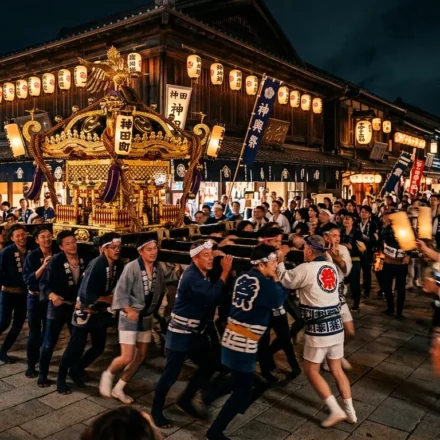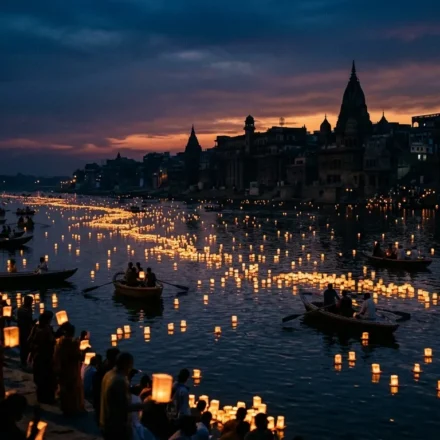




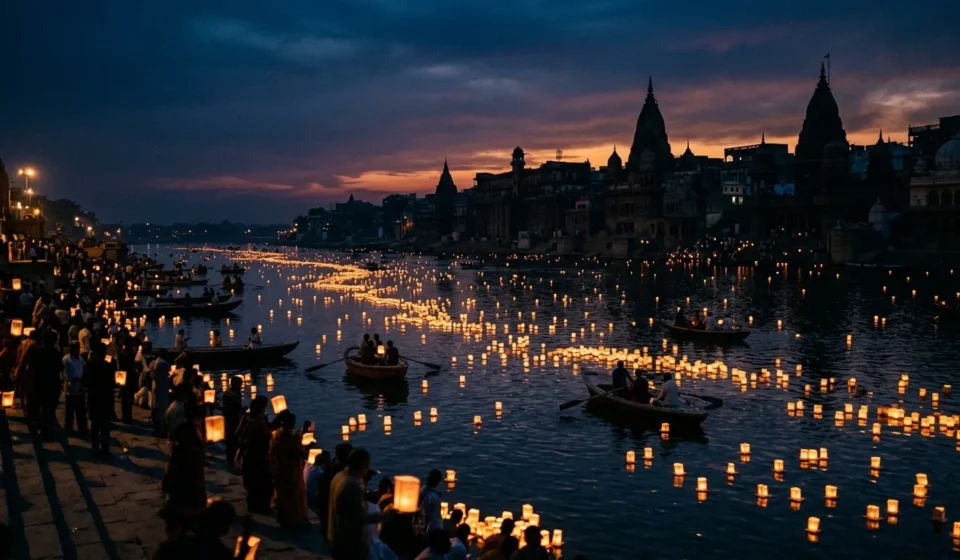

Imagine standing amidst a swirling vortex of color, music, and unbridled joy. The air vibrates with ancient chants, the scent of incense and street food fills your nostrils, and every face around you radiates pure enthusiasm. This isn’t just a scene from a movie; it’s what awaits you at virtually any festival in India. As a traveler who’s spent over a decade chasing these very moments, I can tell you that experiencing an Indian festival isn’t just seeing a destination – it’s diving headfirst into its very soul.
Table Of Content
- Why India’s Festivals Are a Journey for the Senses
- Planning Your Festival Adventure: Timing, Budget & Logistics
- When to Go: Best Time to Catch the Magic
- Realistic Budgets for a Festival Trip
- Navigating India: Transport & Accommodation Tips
- Iconic & Off-the-Beaten-Path Indian Festivals to Explore
- The Big Ones: Holi & Diwali
- Beyond the Usual: Pushkar Camel Fair & Thrissur Pooram
- Embracing India’s Culture: Etiquette, Safety & Sustainable Travel
- Cultural Sensitivity & Etiquette
- Staying Safe Amidst the Merriment
- Traveling Responsibly During Festivals
- Your Festival Packing List & Pre-Trip Checklist
- What to Pack for India’s Festival Season
- Pre-Trip Essentials: Don’t Forget!
India’s calendar is a vibrant tapestry woven with thousands of festivals, each a unique celebration of culture, religion, and community. From the grand, pan-Indian celebrations to the intimate, regional rituals, these events offer an unparalleled window into the country’s heart. But how do you navigate this beautiful chaos? How do you prepare for an experience that will undoubtedly challenge and enchant you in equal measure? Let’s get into it.
Why India’s Festivals Are a Journey for the Senses
Honestly, there’s no place on Earth quite like India during festival season. It’s an assault on the senses in the most magnificent way possible. The vibrant hues of saris and turbans, the rhythmic beats of dhol drums, the tantalizing aroma of street food wafting from every corner, the warmth of shared laughter – it all combines to create an atmosphere of collective euphoria. You’re not just an observer; you’re often swept up into the festivities, becoming a part of the vibrant spectacle yourself.
These aren’t merely public holidays; they are deeply ingrained cultural expressions, often rooted in centuries-old traditions and religious narratives. Each festival tells a story, offering a living history lesson that no textbook could ever replicate. Whether it’s the nationwide celebration of light during Diwali or the unique camel trading spectacle of Pushkar, every event is a testament to India’s incredible diversity and resilience.
Planning Your Festival Adventure: Timing, Budget & Logistics
So, you’re ready to jump in? Fantastic! But before you book that flight, let’s talk practicalities. Preparing for an Indian festival isn’t like planning a regular sightseeing trip; it requires a bit more foresight, especially if you want to avoid the biggest crowds and secure decent accommodation.
When to Go: Best Time to Catch the Magic
Most of India’s major festivals fall between October and March, which conveniently aligns with the cooler, drier season in much of the country. This is generally considered the peak tourist season, meaning comfortable weather but also higher demand for flights and accommodation. For specific festivals, you’ll need to check the lunar calendar, as dates shift yearly.
For example, Holi usually falls in March, while Diwali lights up the country in October or November. The Pushkar Camel Fair is typically in November. While these months are popular, consider the shoulder season (the periods immediately before or after peak season) for slightly better prices on flights and potentially fewer crowds, though festival dates are usually fixed.
Realistic Budgets for a Festival Trip
India is famous for being incredibly budget-friendly, but festival times can see prices surge, especially for accommodation and transport in popular festival locations. A realistic daily budget for a backpacker during festival season might be around $30-50 USD per person, covering basic guesthouses, street food, and local transport. For a bit more comfort, staying in mid-range hotels and eating at nicer restaurants, expect to pay $60-100 USD daily.
This budget will allow you to savor delicious local meals (often just a few dollars), travel by sleeper class trains or local buses (incredibly cheap), and find clean, simple rooms. Remember to factor in specific festival activities, entrance fees, or special clothing you might want to buy. Booking flights and trains several months in advance is non-negotiable for popular routes and festivals – they sell out fast!
Navigating India: Transport & Accommodation Tips
Getting around India is an adventure in itself. Trains are the backbone of intercity travel, offering an authentic glimpse into local life. Sleeper class is my personal favorite for its affordability and cultural immersion, but AC classes are available for more comfort. Book tickets via the IRCTC website or reliable third-party apps like MakeMyTrip. For shorter distances or remote areas, local buses (often crowded but very cheap) and shared rickshaws are your best bet. Always agree on a price before getting into a rickshaw or taxi!
Accommodation during festivals requires early booking. Don’t just show up expecting to find a room, especially for famous events. Look for family-run guesthouses, homestays, or smaller boutique hotels for a more personal experience. For example, during Pushkar Fair, you might find tented camps or even stay in a nearby town and commute daily if Pushkar itself is fully booked or too expensive.
Iconic & Off-the-Beaten-Path Indian Festivals to Explore
With thousands of festivals, where do you even begin? Here are a few that stand out, offering different facets of India’s incredible celebratory spirit.
The Big Ones: Holi & Diwali
- Holi (March): The Festival of Colours is a riot of joyous anarchy, especially in North India. Everyone throws powdered paint (gulal) and water at each other, symbolizing the triumph of good over evil and the arrival of spring. What to expect: Vibrant chaos, music, dancing, and getting absolutely covered in color. Preparation: Wear old clothes you don’t mind ruining, protect your eyes, and consider oiling your hair and skin to make the color wash out easier. For women, participate in groups and be aware of your surroundings, as crowds can sometimes lead to unwanted attention.
- Diwali (October/November): The Festival of Lights is perhaps India’s most significant and widely celebrated festival. It’s a five-day event symbolizing the victory of light over darkness, good over evil, knowledge over ignorance. What to expect: Entire cities twinkling with lamps (diyas), fairy lights, fireworks, families gathering for feasts, and exchanging sweets and gifts. It’s a more family-oriented festival, less about public participation than Holi, but the atmosphere is magical everywhere. Preparation: Enjoy the decorations, try local sweets, and soak in the festive cheer. You might get invited to a local home, which is a truly special experience.
Let me share a quick story: my first Holi in Varanasi was mind-blowing. I remember being hesitant at first, standing on the rooftop of my guesthouse, watching the streets below erupt in color. Then, a group of kids, smeared head-to-toe in magenta and green, spotted me. Before I knew it, I was pulled into the street, a smear of purple on my cheek, laughing uncontrollably. That’s India – a delightful surrender to the moment.
Beyond the Usual: Pushkar Camel Fair & Thrissur Pooram
- Pushkar Camel Fair (November): Held in the small desert town of Pushkar, Rajasthan, this is one of the world’s largest livestock fairs, evolving into a massive cultural extravaganza. Beyond the thousands of camels, horses, and cattle, you’ll find competitions, folk music, dance performances, magic shows, and a general carnival atmosphere. What to expect: A unique blend of traditional trading, spiritual pilgrimage, and vibrant entertainment. Preparation: Book accommodation months in advance (or consider tented camps on the outskirts). Expect crowds, dust, and an incredible photographic opportunity. The fairgrounds are easily walkable from Pushkar Lake (approx. 2 km from Pushkar Lake, Latitude: 26.4899° N, Longitude: 74.5510° E).
- Thrissur Pooram (April/May): For something a little different, head south to Thrissur in Kerala for one of the most spectacular temple festivals in India. It’s a grand assembly of richly caparisoned elephants, traditional percussion ensembles (chenda melam), and a breathtaking firework display. What to expect: Less about tourist participation, more about witnessing a profound cultural and religious spectacle. The highlight is the Kudamattom ceremony, where parasols are exchanged atop the elephants. Preparation: Find a good vantage point early; this festival draws massive local crowds. Thrissur is well-connected by train (Thrissur Railway Station, Latitude: 10.5284° N, Longitude: 76.2140° E). Accommodation needs to be booked far ahead.
Embracing India’s Culture: Etiquette, Safety & Sustainable Travel
While festivals are about letting loose, remember you’re a guest in a deeply spiritual and traditional country. A little respect goes a long way, ensuring not only your safety but also a richer, more meaningful experience.
Cultural Sensitivity & Etiquette
Always dress modestly, especially when visiting religious sites or participating in festivals. This means covering your shoulders and knees. Remove your shoes before entering temples, mosques, or homes. When taking photos, especially of people, always ask for permission first. A simple “Namaste” (with hands pressed together) is a respectful greeting. Be mindful of public displays of affection, which are generally frowned upon.
Staying Safe Amidst the Merriment
Crowds are an integral part of Indian festivals, so keep your wits about you. Secure your valuables in a cross-body bag or money belt, and be aware of pickpockets. Stay hydrated, especially in warmer months, and be cautious with street food – stick to places with high turnover. Consider carrying a small first-aid kit. For solo female travelers, always prioritize reputable accommodations and transportation, and avoid being out alone late at night, especially during high-energy festivals like Holi.
Traveling Responsibly During Festivals
As global wanderers on Destination Wanderer, we advocate for sustainable travel. Festivals often generate a lot of waste, so do your part: minimize plastic use, carry a reusable water bottle, and dispose of trash properly. Support local vendors and artisans directly, rather than large chains. And consider slow travel – spending more time in one place to truly absorb the festival’s nuances and connect with the local community, rather than rushing from one event to the next.
Your Festival Packing List & Pre-Trip Checklist
Alright, almost ready for takeoff! Here’s a quick rundown to make sure you’re prepared for the adventure of a lifetime.
What to Pack for India’s Festival Season
- Light, Modest Clothing: Breathable fabrics like cotton or linen. Long pants/skirts and shirts that cover shoulders and knees.
- Comfortable Walking Shoes: You’ll be doing a lot of walking, often on uneven surfaces.
- Hand Sanitizer & Wet Wipes: Essential for hygiene on the go.
- Small First-Aid Kit: Band-aids, antiseptic, pain relievers, anti-diarrhea medication.
- Power Bank: For keeping your phone charged for photos and navigation.
- Dry Bag: Invaluable for protecting electronics during Holi or unexpected downpours.
- Scarf/Shawl: Versatile for covering up, sun protection, or impromptu head covering at temples.
Pre-Trip Essentials: Don’t Forget!
- Indian Visa: Apply well in advance (e-Visa is an option for many nationalities).
- Travel Insurance: Non-negotiable for any international trip, especially one with potential for adventure and crowds.
- Photocopies/Digital Copies of Documents: Passport, visa, tickets, insurance details.
- Local SIM Card/eSIM: For navigation, booking, and staying connected.
- Open Mind & Sense of Adventure: India will test your patience and expand your horizons in equal measure. Embrace it all!
Navigating India’s festivals is truly one of the most enriching travel experiences you can have. It’s a sensory explosion, a cultural deep-dive, and a profound connection to humanity’s shared joy. With a little preparation and an open heart, you’re not just attending an event; you’re becoming part of a living, breathing tradition that will stay with you long after the colors fade and the music stops. So, what are you waiting for? Start planning your incredible Indian festival adventure today!