Hike the Inca Trail: Expert Tips
Introduction to the Inca Trail
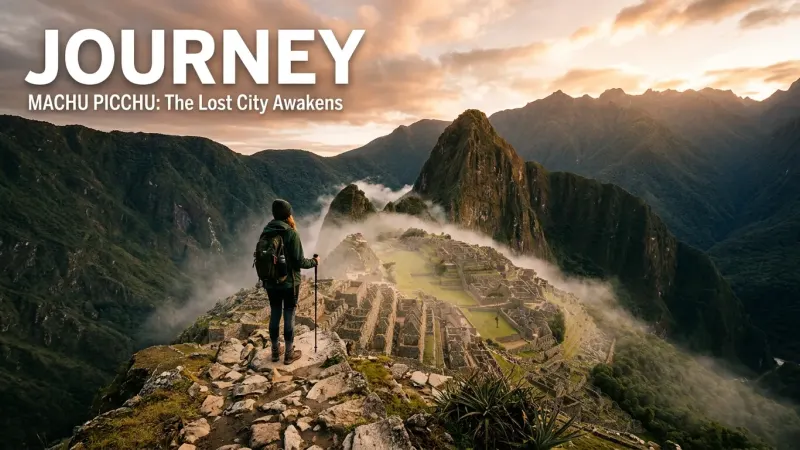
The Inca Trail is one of the most iconic and awe-inspiring hikes in the world, winding its way through the Andean mountains to the majestic citadel of Machu Picchu. As a seasoned hiker and travel writer, I’ve had the privilege of tackling this epic trail, and I’m excited to share my expertise with you. But what would you do in this situation: you’re standing at the foot of the trail, surrounded by towering mountains and lush cloud forest, with only a backpack and a sense of adventure to guide you?
Table Of Content
Let me add something here: the Inca Trail is not just a hike, it’s an immersive cultural experience that delves into the history and mystery of the Inca civilization. With its rich heritage and breathtaking scenery, this trail is a must-do for any serious hiker or adventure seeker. Honestly, I believe that the Inca Trail is a journey that will challenge you, inspire you, and leave you with unforgettable memories.
To be fair, the Inca Trail can be a daunting prospect, especially for those who are new to high-altitude hiking or trekking. But with the right preparation, guidance, and mindset, anyone can tackle this incredible adventure. So, let’s get started and explore the ins and outs of hiking the Inca Trail.
Planning and Preparation
Best Time to Visit
The best time to hike the Inca Trail is during the dry season, which runs from May to September. These months offer the most favorable weather conditions, with clear skies, mild temperatures, and minimal rainfall. However, it’s worth noting that the peak season (June to August) can be quite busy, with large groups of hikers and tourists. If you’re looking for a more serene and peaceful experience, consider hiking during the shoulder season (April to May or September to November).
Based on my experience, I recommend booking your hike and accommodations well in advance, especially during peak season. This will ensure that you secure a spot on the trail and get the best deals on lodging and tour operators. Some popular tour operators include Intrepid Travel, Peru Treks, and Andean Treks.
When it comes to packing, it’s essential to strike a balance between comfort, convenience, and weight. Here are some essentials to include in your backpack:
- Hiking boots or sturdy trail shoes
- Comfortable hiking socks
- Waterproof jacket and pants
- Insulating layers (fleece, down, or synthetic)
- Base layers (moisture-wicking tops and leggings)
- Sleeping bag and pad
- Headlamp and extra batteries
- First-aid kit and personal medications
- Water bottle or hydration bladder
- Snacks and energy-rich foods
The Hike Itself
Day-by-Day Breakdown
The Inca Trail is a 4-day, 3-night hike that covers a distance of approximately 26 miles (42 kilometers). Here’s a brief overview of what you can expect each day:
Day 1: The hike begins at Kilometer 82, where you’ll pass through the checkpoint and start your journey along the Urubamba River. The trail winds its way up to the first campsite, Wayllabamba, which is located at an elevation of 9,800 feet (3,000 meters).
Day 2: This is the most challenging day of the hike, with a steep ascent to the highest point on the trail, Dead Woman’s Pass (13,123 feet or 4,000 meters). From there, you’ll descend to the Pacaymayo Valley and set up camp for the night.
Day 3: The third day is a relatively easy hike, with a gentle descent to the Phuyupatamarca ruins and then a steep ascent to the final campsite, Wiñay Wayna.
Day 4: The final day is a short, easy hike to the Sun Gate, where you’ll catch your first glimpse of Machu Picchu. From there, you’ll descend to the citadel and explore the ruins.
Safety and Sustainability
Safety should always be your top priority when hiking the Inca Trail. Here are some essential tips to keep in mind:
Make sure to hire a reputable tour operator that follows sustainable and responsible tourism practices. This will not only ensure your safety but also support the local community and environment.
Always hike with a buddy or group, and stay on designated trails to avoid getting lost or injured.
Be mindful of the altitude and take regular breaks to rest and rehydrate. It’s also essential to monitor your body’s response to the high elevation and descend to a lower altitude if you experience any severe symptoms.
Respect the local environment and culture by following the principles of Leave No Trace and responsible tourism. This includes disposing of waste properly, not littering, and avoiding sensitive habitats and wildlife.
Conclusion and Final Tips
So far, we’ve covered the essentials of hiking the Inca Trail, from planning and preparation to the hike itself and safety considerations. Now, let’s get to the really critical point: making the most of your adventure. To do this, I recommend being open-minded, flexible, and patient. The Inca Trail can be unpredictable, with changing weather conditions, challenging terrain, and unexpected setbacks.
But what would you do in this situation: you’re faced with a sudden rainstorm or a steep ascent, and you’re not sure if you can continue? The answer is to stay calm, assess the situation, and take it one step at a time. Remember, the Inca Trail is a journey, not a destination, and it’s the people, places, and experiences that make it truly unforgettable.
In my opinion, the Inca Trail is a once-in-a-lifetime adventure that will challenge you, inspire you, and leave you with lifelong memories. So, take a deep breath, lace up your hiking boots, and get ready to embark on the journey of a lifetime. With the right mindset, preparation, and guidance, you’ll be well on your way to hiking the Inca Trail like a pro.