


Peru Travel Guide: Machu Picchu, Cusco & Sacred Valley Trek
Ready to chase ancient Inca spirits, wander vibrant colonial streets, and trek through breathtaking Andean landscapes? Peru’s heartland – encompassing the imperial city of Cusco, the mystical Sacred Valley, and the legendary Machu Picchu – is an experience that changes you. As someone who’s spent countless weeks exploring its nooks and crannies, I’m here to give you the real, actionable lowdown, not just another “top 10 list.” Let’s dive in!
Table Of Content
- Best Time to Visit Peru’s Highlands
- Realistic Daily Budgets & Recommended Stay
- Cusco: The Imperial Heartbeat
- What to Do & See
- Accommodation & Food
- The Sacred Valley: Inca Legacy & Andean Beauty
- Highlights & Hidden Gems
- Transportation
- Machu Picchu: The Lost City
- Getting There
- Visiting Tips
- Safety, Cultural Etiquette & Sustainable Travel
Best Time to Visit Peru’s Highlands
Timing is everything for an optimal Peruvian adventure, especially when trekking is involved.
- Dry Season (May to October): This is generally considered the best time. You’ll enjoy sunny days and clear skies, perfect for hiking and photography. However, it’s also peak tourist season, meaning higher prices and more crowds. Book your Machu Picchu tickets and treks well in advance!
- Shoulder Seasons (April & November): My personal favorite! You get fewer crowds, pleasant weather (though with a higher chance of a brief shower), and often better deals on accommodation.
- Wet Season (December to March): Expect daily rainfall, which can make some trails muddy and views obscured by clouds. The Inca Trail typically closes in February for maintenance. While still beautiful, it requires more flexibility and waterproof gear.
Realistic Daily Budgets & Recommended Stay
Peru can be surprisingly affordable, but Machu Picchu access is a significant cost.
- Budget Traveler ($35-60/day): Think dorm beds or basic private rooms, local markets for food (menu del día), colectivos (shared taxis/vans), and free walking tours. This excludes Machu Picchu entrance and major treks.
- Mid-Range Traveler ($80-150/day): Comfortable guesthouses (like the family-run Casa Andina Standard Cusco San Blas for about $70/night), nice restaurant meals, guided day trips, and train travel.
- Luxury Traveler ($200+/day): Boutique hotels, fine dining, private transfers, and premium trek packages.
Recommended Stay Duration: To properly acclimatize to the altitude and explore without rushing, aim for 7-10 days for Cusco, the Sacred Valley, and Machu Picchu combined.
Cusco: The Imperial Heartbeat
Cusco, the ancient capital of the Inca Empire, sits at roughly 3,400 meters (11,150 feet). Take it easy for the first 24-48 hours – drink plenty of water, sip coca tea, and avoid heavy meals to prevent altitude sickness.
What to Do & See:
- Plaza de Armas: The vibrant main square, flanked by stunning cathedrals and colonial architecture. Perfect for people-watching.
- Qorikancha (Temple of the Sun): A fascinating blend of Inca and Spanish architecture, showcasing Inca engineering prowess beneath a Dominican convent.
- San Pedro Market: Get lost in this bustling market. Try fresh juices, sample local cheeses, and haggle for souvenirs.
- San Blas Neighborhood: My favorite hidden gem in Cusco. Wander the cobblestone streets, discover artisan workshops (look for the Hilario Mendívil & Family workshop), and enjoy panoramic views from its many balconies.
- Boleto Turístico: This tourist ticket (around S/130-140, approx. $35-40) grants you entry to 16 sites, including many around Cusco and the Sacred Valley. It’s a must-buy if you plan on visiting multiple ruins.
Accommodation & Food:
For a budget-friendly but charming stay, check out Pariwana Hostel Cusco (dorms from $12, privates from $30) or a cozy guesthouse in San Blas like Hostal Qolqampata (around $40/night). For food, don’t miss “menu del día” specials at local eateries for S/10-15 ($3-4). For a splurge, try Limo Cocina Peruana & Nikkei for incredible Peruvian-Japanese fusion.
The Sacred Valley: Inca Legacy & Andean Beauty
A lush valley nestled between Cusco and Machu Picchu, dotted with Inca ruins, traditional villages, and agricultural terraces.
Highlights & Hidden Gems:
- Pisac: Explore the impressive Inca ruins high above the village, and then wander through its famous Sunday market (though it runs daily, Sunday is the largest).
- Ollantaytambo: A unique Inca town and fortress, one of the few places where the Incas defeated the Spanish. It’s also a major hub for trains to Aguas Calientes.
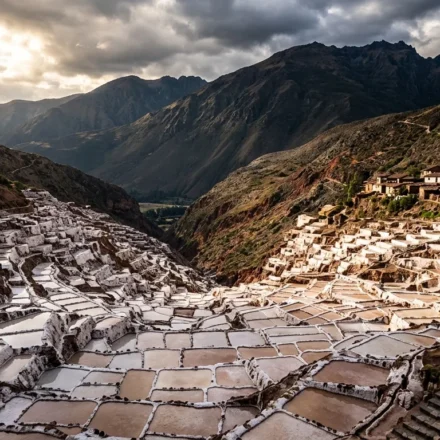
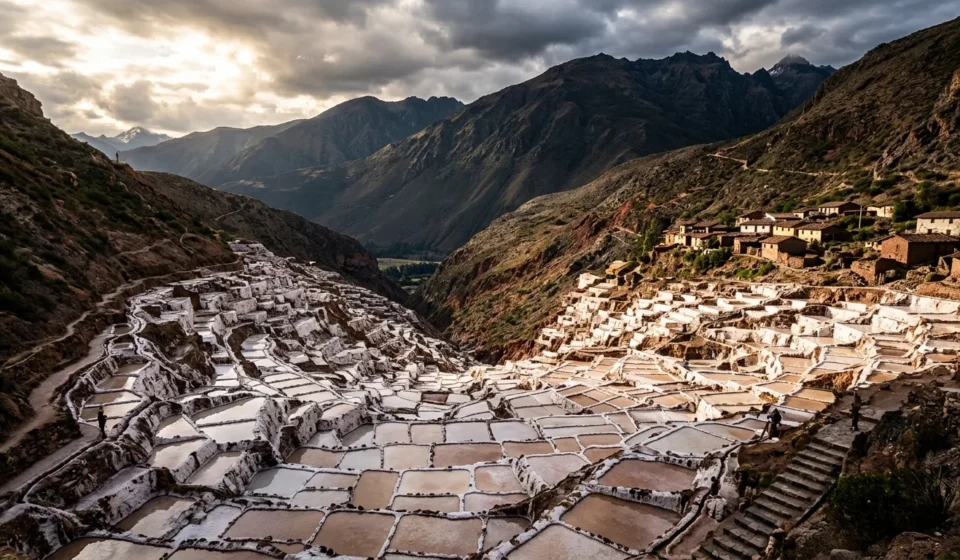
- Moray & Maras Salt Ponds: Moray’s circular agricultural terraces are a marvel of Inca experimentation, while the Maras salt ponds offer a surreal, shimmering landscape. Try to visit these by bike or a local tour.
- Chinchero: A less-visited town with beautiful Inca ruins, a colonial church, and a vibrant textile market where you can learn about traditional weaving.
Transportation:
You can hire a private taxi for a day (around S/150-200, $40-55), join a group tour, or use colectivos (shared vans) for a more budget-friendly and authentic experience between towns like Pisac, Urubamba, and Ollantaytambo.
Machu Picchu: The Lost City
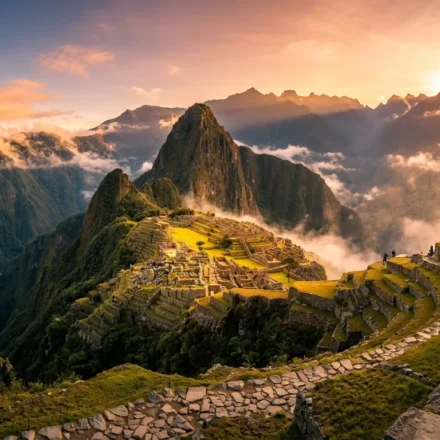
The crown jewel of any Peru trip. Book your entrance tickets months in advance, especially if you want to climb Huayna Picchu or Machu Picchu Mountain (additional tickets required).
Getting There:
- By Train: The most common route. Trains depart from Poroy (near Cusco) or Ollantaytambo to Aguas Calientes (Machu Picchu Pueblo). PeruRail and Inca Rail offer various services. Prices range from $60-100+ one way.
- By Trek:
- Inca Trail: The classic 4-day hike. Permits are highly competitive and sell out almost a year in advance. You must go with an authorized tour operator.
- Salkantay Trek: A fantastic 5-day alternative, offering stunning mountain scenery and cultural experiences. More rugged and less regulated than the Inca Trail, typically costing $400-700+.
- Lares Trek: A cultural trek through remote Andean villages, often combined with a train ride to Aguas Calientes.
Visiting Tips:
- Arrive Early: Take one of the first buses from Aguas Calientes to Machu Picchu (they start around 5:30 AM) to experience the sunrise and avoid the biggest crowds.
- Hire a Guide: It’s highly recommended to hire a guide (you can find them at the entrance for around S/100-150 for a group) to truly understand the history and significance of the site.
- Stay Hydrated & Be Prepared: Bring water, snacks, sun protection, and a rain jacket. Restrooms are only outside the main gate.
Safety, Cultural Etiquette & Sustainable Travel
- Altitude Sickness: Acclimatize in Cusco for a few days before strenuous activities. Consult your doctor about medication like Diamox.
- Safety: Petty theft can occur in crowded areas. Be aware of your surroundings, use reputable taxis, and don’t flash valuables.
- Bargaining: It’s common in markets, but always do so respectfully and with a smile.
- Sustainable Practices:
- Leave No Trace: Pack out everything you pack in. Do not disturb ruins or natural environments.
- Support Local: Choose local guides, eat at local restaurants, and buy from artisan cooperatives.
- Reduce Plastic: Carry a reusable water bottle and fill up where possible.
Peru’s Sacred Valley and Machu Picchu aren’t just destinations; they’re journeys into history, culture, and breathtaking natural beauty. Go prepared, travel respectfully, and you’ll bring home memories that last a lifetime. Happy wandering!