

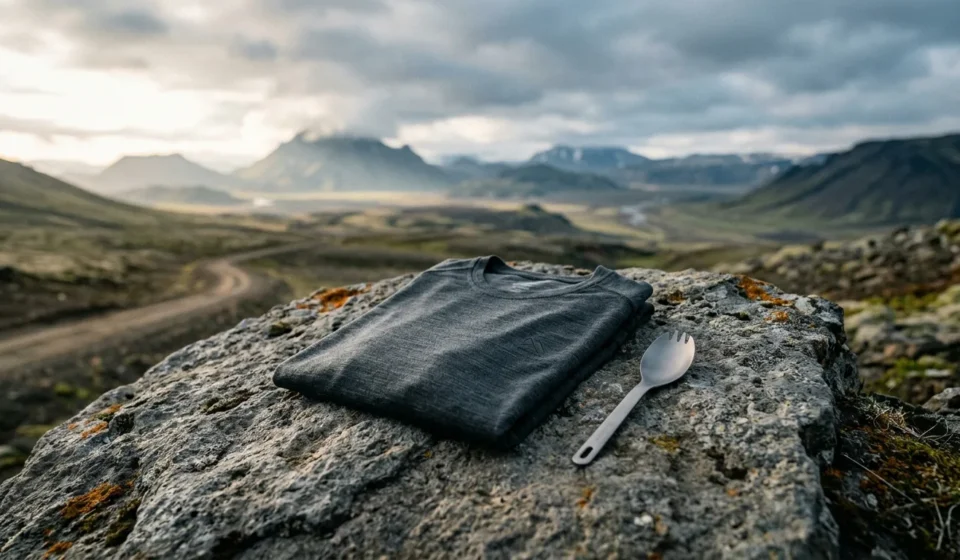

The Freedom of Less: Why Minimalist Packing is Your Superpower
Imagine this: You’ve just arrived in a bustling new city, the air alive with unfamiliar sounds and smells. You’re navigating cobblestone streets, eager to explore, but there’s a problem – you’re dragging a colossal suitcase or a backpack that feels like it’s filled with bricks. Every step is a struggle, every stairwell a minor Everest. Sound familiar? Honestly, I’ve been there, and it’s exhausting.
Table Of Content
- The Freedom of Less: Why Minimalist Packing is Your Superpower
- The Core of Your Capsule Wardrobe: Versatility is Key
- Clothing Essentials for Any Climate
- Footwear: The Foundation of Your Journey
- Smart Gear & Gadgets: What You Really Need (and What You Don’t)
- Essential Gadgets & Electronics
- Health, Hygiene & Miscellaneous Must-Haves
- Packing Techniques & The Bag Itself: Maximizing Every Inch
- Choosing Your Backpack
- Mastering the Pack
- Sustainable & Safe Travel Through Smart Packing
For a 6-month backpacking adventure, packing light isn’t just a suggestion; it’s a game-changer. It’s about more than just fitting everything into a smaller bag; it’s a philosophy that empowers you to travel with greater freedom, flexibility, and less stress. This is the heart of minimalist packing: taking only what you truly need, nothing more. It allows for spontaneity, makes local transport a breeze, and drastically reduces the mental load of managing your belongings.
Embracing minimalism also aligns perfectly with concepts like slow travel – where you spend more time in fewer places, soaking in local culture – and even overlanding, where self-reliance is paramount. When you carry less, you move more freely, allowing for deeper immersion and unexpected detours. But what if you forget something crucial, you might ask? The beauty is, almost anything can be bought or replaced on the road, often cheaper and more authentically than at home.
The Core of Your Capsule Wardrobe: Versatility is Key
When packing for half a year across potentially diverse climates, versatility is your best friend. Forget outfits for every single day. Think layers, quick-drying fabrics, and items that can be dressed up or down. Your goal here is a “capsule wardrobe” – a small collection of interchangeable clothing items that can be mixed and matched to create numerous outfits.
Clothing Essentials for Any Climate
- Bottoms (2-3): One pair of comfortable, quick-drying hiking pants (convertible if possible), one pair of versatile travel jeans or sturdy chinos, and maybe one pair of shorts or a travel skirt. I always recommend avoiding heavy cotton jeans if you’re hitting humid climates or need quick drying.
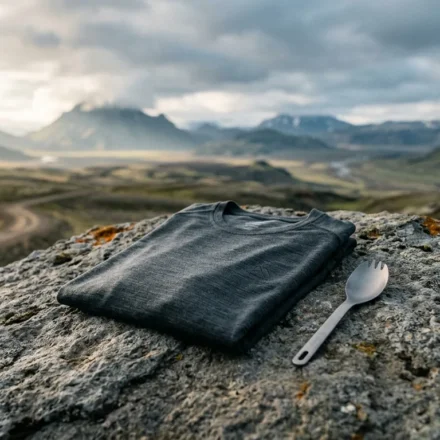
- Tops (4-5): Focus on moisture-wicking, quick-drying t-shirts (merino wool or synthetic blends are fantastic). Include one long-sleeve base layer for cooler evenings or sun protection, and maybe one slightly dressier top for city nights.
- Outerwear (1-2): A lightweight, packable rain jacket is non-negotiable. Add a fleece or a packable down jacket if you anticipate cold weather or travel during the shoulder season (the periods just before or after the peak tourist season, offering good weather, fewer crowds, and often lower prices).
- Undergarments (5-7 pairs) & Socks (3-4 pairs): Quick-dry fabrics are essential here. Merino wool socks are brilliant for their odor-resistance and comfort.
- Swimwear (1): Even if you don’t plan on hitting beaches, a quick dip in a lake or guesthouse pool is always a possibility.
- Sleepwear (1): A lightweight t-shirt and shorts or leggings can double as loungewear.
My advice? Stick to a neutral color palette. This makes mixing and matching a breeze. One dark pair of trousers, for example, can look smart for a nice dinner or casual for a day of exploring.
Footwear: The Foundation of Your Journey
This is where many travelers overpack. You truly only need two, maybe three, pairs of shoes:
- Comfortable Walking/Hiking Shoes: A sturdy, broken-in pair that can handle miles of city streets or moderate trails. Waterproofing is a bonus.
- Sandals/Flip-flops: For hostels, beaches, short walks, and hot climates.
- Optional: Smart Casual Shoes: If you plan on a lot of nightlife or slightly more formal occasions, a lightweight pair of versatile sneakers or flats can be worth it. But seriously, only if you’ll use them often.
Smart Gear & Gadgets: What You Really Need (and What You Don’t)
Beyond clothes, your gear choices can make or break your packing success. For digital nomads (individuals who use telecommunications technologies to perform their job and can live anywhere they choose), a laptop might be essential, but for others, a smartphone might suffice.
Essential Gadgets & Electronics
- Smartphone & Charger: Your all-in-one camera, map, communication device, and entertainment hub.
- Universal Travel Adapter: One adapter with multiple USB ports is a lifesaver.
- Power Bank: For charging on the go, especially crucial for long bus rides or overnight trains.
- Headphones: Noise-canceling ones are a godsend on flights and busy hostels.
- E-reader (Optional): If you love to read, a lightweight e-reader saves space and weight compared to physical books.
Health, Hygiene & Miscellaneous Must-Haves
- Travel-sized Toiletries: Solid shampoo/conditioner bars, a small bar of soap, and tiny refillable bottles for liquids are fantastic for saving space and avoiding leaks. A quick-dry travel towel is also non-negotiable.
- Basic First-Aid Kit: Painkillers, bandages, antiseptic wipes, antihistamines, and any personal medications. Don’t forget motion sickness tablets if you’re prone to it.
- Reusable Water Bottle: Essential for sustainability and staying hydrated. Many places have filtered water stations.
- Small Daypack: A packable 15-20L bag for daily excursions.
- Headlamp or Small Flashlight: Invaluable for early morning hikes, power outages, or navigating dark dorms.
- Combination Lock: For hostel lockers and securing your main bag.
- Fabric Laundry Bag: Keep dirty clothes separate.
Think about dual-purpose items. A sarong, for instance, can be a towel, a beach blanket, a scarf, or even a makeshift curtain.
Packing Techniques & The Bag Itself: Maximizing Every Inch
You’ve got your meticulously curated list; now, how do you get it all into one bag efficiently? The right bag and smart packing techniques are crucial.
Choosing Your Backpack
For a 6-month trip, I strongly recommend a backpack in the 40-50 liter range. This size is typically accepted as carry-on by most airlines, saving you baggage fees and the anxiety of lost luggage. Look for one that’s front-loading (like a suitcase) rather than top-loading, making it much easier to access your items. A comfortable, adjustable harness system is paramount for carrying it for extended periods.
Mastering the Pack
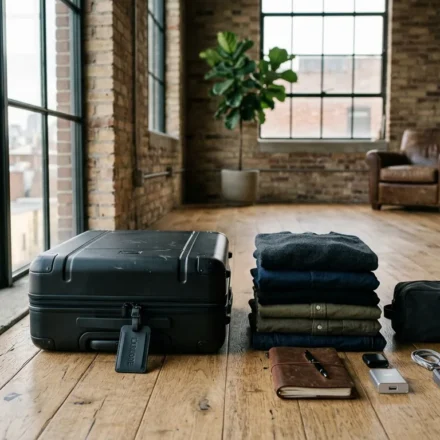
- Packing Cubes: These are revolutionary. They compress your clothes, keep them organized, and make finding items a breeze without unpacking your entire bag.
- Roll, Don’t Fold: Rolling clothes can save space and reduce wrinkles. Experiment to see what works best for different garments.
- Utilize Every Nook: Stuff socks and underwear into shoes. Use small pouches for chargers and cables.
- Weight Distribution: Place heavier items closer to your back and higher up in the pack for better balance and comfort. Lighter, bulkier items go towards the bottom and sides.
- Keep Essentials Accessible: Your passport, wallet, phone, and any immediate medications should be in an easily reachable, secure pocket, preferably on your person or in your daypack.
Remember, the goal is to travel carry-on only, if possible. This means no waiting at baggage carousels, less risk of theft, and the ultimate freedom of movement.
Sustainable & Safe Travel Through Smart Packing
Your packing choices aren’t just about convenience; they impact your footprint and your safety. By packing minimally, you inherently contribute to sustainable travel by reducing consumption and waste.
Consider the cultural context of your destinations. Packing modest clothing that covers shoulders and knees, for instance, is a sign of respect in many cultures and can open doors to more authentic interactions. It also helps you blend in, making you less of a target for petty theft. Always carry a small amount of local currency in a separate, easily accessible pouch, so you don’t flash your main wallet.
Ultimately, a well-thought-out minimalist packing list for a 6-month adventure isn’t about deprivation; it’s about empowerment. It’s about choosing experiences over possessions, flexibility over bulk, and freedom over burden. You’ll be amazed at how little you truly need to thrive on the road and how much more you gain by carrying less.