



Your Home Away From Home in Southeast Asia
Stepping into Southeast Asia for the first time can feel like diving into a kaleidoscope of sensory overload – in the best possible way. The smells of street food, the cacophony of scooter horns, the vibrant colors of temples and markets. It’s intoxicating. And for many of us, the first port of call, the launchpad for these adventures, is a hostel.
Table Of Content
- Your Home Away From Home in Southeast Asia
- What Makes a Great Southeast Asian Hostel?
- Navigating the Booking Maze
- Our Top Picks & What to Look For
- For the Social Butterfly: Mad Monkey Hostels (Cambodia, Philippines, Laos, Thailand)
- For the Solo Explorer (Safety First): The Yard Hostel Bangkok (Thailand)
- For the Flashpacker (Stylish & Comfortable): The Common Hostel (Luang Prabang, Laos)
- Beyond the Bunk: Insider Tips for Hostel Life
- A Word on Sustainability & Etiquette
Now, if the word “hostel” conjures images of grimy dorms, questionable smells, and bunk beds that wobble with every breath, let me stop you right there. Southeast Asia has redefined the hostel game. We’re talking about places that are not just budget-friendly, but genuinely social, surprisingly safe, and often, incredibly stylish. I’ve stayed in my fair share, from bamboo huts in Laos to chic boutique dorms in Singapore, and I’ve got some hard-won wisdom to share.
What Makes a Great Southeast Asian Hostel?
It’s more than just a bed. A great hostel here acts as a community hub, a local guide, and sometimes, even your travel agent. Here’s what to look for:
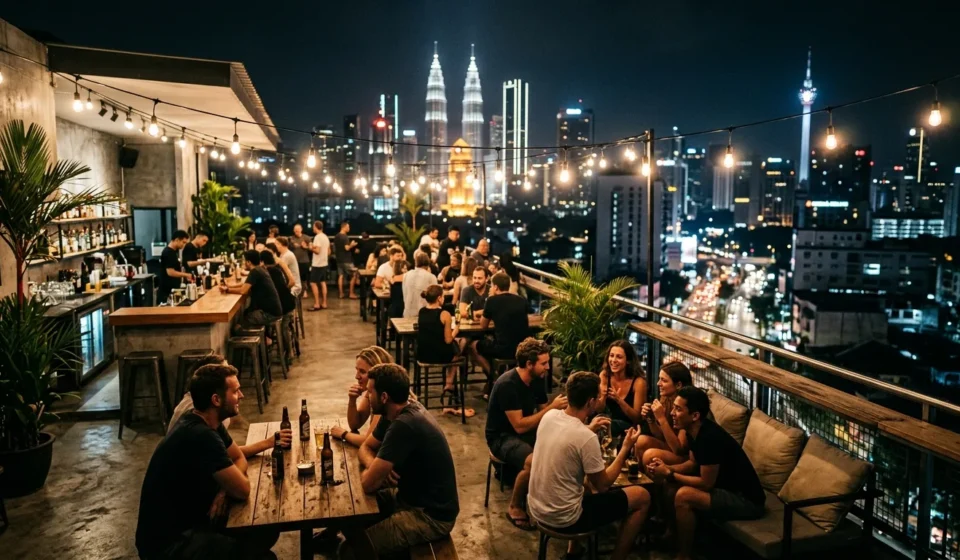
- The Social Vibe: This is paramount. Look for common areas – a rooftop bar, a garden cafe, a cozy lounge. Many hostels organize daily activities: pub crawls, cooking classes, movie nights. It’s where you meet your next travel buddy or get that invaluable tip about a hidden beach.
- Safety & Security: Absolutely non-negotiable. Good hostels offer individual lockers (bring your own padlock, or buy one there). Many have 24/7 reception and key card access. Female-only dorms are increasingly common and a fantastic option for solo women travelers seeking extra peace of mind.
- Cleanliness & Comfort: Air conditioning is a godsend in this humid climate, especially in dorms. Decent mattresses, clean sheets, and hot showers aren’t luxuries; they’re necessities for a good night’s rest after a day of exploring.
- Location, Location, Location: Near public transport, within walking distance of attractions, or nestled in a vibrant neighborhood. Check the map before booking. Being a bit out of the main tourist fray can sometimes lead to more authentic local experiences, too.
- Value for Money: Most dorm beds in Southeast Asia will run you anywhere from $8-$25 USD per night. Private rooms in hostels can range from $25-$50 USD. A good hostel packs in amenities like free breakfast, fast Wi-Fi, and communal kitchens without breaking the bank.
Navigating the Booking Maze
My go-to platform is almost always Hostelworld, but Booking.com also lists many great options, especially for hostels that offer private rooms. Always read the recent reviews. Filter by “social” or “quiet” depending on your mood. And pay attention to the exact location on the map.
Insider Tip: For popular destinations or during peak season (roughly November to February, and July/August), book at least a few days, if not a week or two, in advance. Good places fill up fast.
Our Top Picks & What to Look For
While I can’t list every single gem, here are some examples of what you can expect and types of hostels to seek out:
For the Social Butterfly: Mad Monkey Hostels (Cambodia, Philippines, Laos, Thailand)
These guys know how to create a party. Think swim-up bars, themed nights, and organized tours that make meeting people effortless. I’ve had some truly memorable nights and formed lasting friendships at Mad Monkey properties, like their one in Koh Rong, Cambodia (around $10-$18/night for a dorm). Just be aware, “party hostel” often means “not much sleep.”
For the Solo Explorer (Safety First): The Yard Hostel Bangkok (Thailand)
Nestled in the Ari neighborhood, The Yard is a serene escape from Bangkok’s chaos. It’s known for its strong community vibe without being a party hostel. They prioritize security with key card access and ample lockers. Plus, their unique container-style dorms and common areas feel more like a stylish guesthouse. A dorm bed here might be $20-$25/night. Look for similar hostels that emphasize a calm atmosphere and robust security features.
For the Flashpacker (Stylish & Comfortable): The Common Hostel (Luang Prabang, Laos)
Sometimes you want a little more style without sacrificing the social aspect. The Common Hostel in Luang Prabang is a prime example. Beautifully designed, with comfy beds, great air-con, and a lovely cafe, it feels like a boutique hotel but with hostel prices (around $15-$20/night). It’s perfect for digital nomads or those who appreciate aesthetics. Search for “boutique hostels” or “design hostels” to find similar spots.
Beyond the Bunk: Insider Tips for Hostel Life
- Pack Smart: A quick-dry towel, earplugs, and an eye mask are your holy trinity for dorm life. Don’t forget that padlock!
- Talk to the Staff: They’re often locals or long-term expats with a wealth of knowledge. Ask them where they eat, not just where the tourists go. You’ll often find the best noodle stalls or hidden cafes this way. For instance, the best khao soi I ever had in Chiang Mai wasn’t in the famous market, but at a tiny, nameless shop near my hostel, recommended by the receptionist.
- Embrace the Community: Don’t be shy. Most people in hostels are looking to connect. A simple “Where are you headed next?” can spark a whole new adventure.
- Go with the Flow: Plans change constantly in Southeast Asia. The beauty of hostel life is the flexibility. You might meet someone with a better idea, or hear about a place you never considered. Let it happen.
A Word on Sustainability & Etiquette
We’re all guests here. Be mindful of your environmental footprint: conserve water, turn off the AC when you leave, and minimize plastic use. In dorms, be respectful of others’ sleep schedules – keep noise down, especially late at night or early morning. And always, always, support the local economy directly when you can, often through the recommendations of your hostel staff.
So, are you ready to ditch the stereotypes and experience the best of Southeast Asia’s hostel scene? You might just find your new favorite travel style, or perhaps, a new best friend. What kind of hostel will you seek out first?