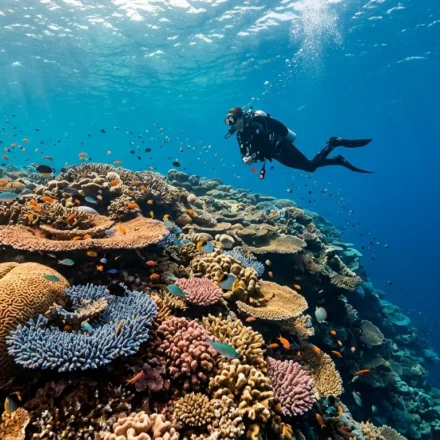




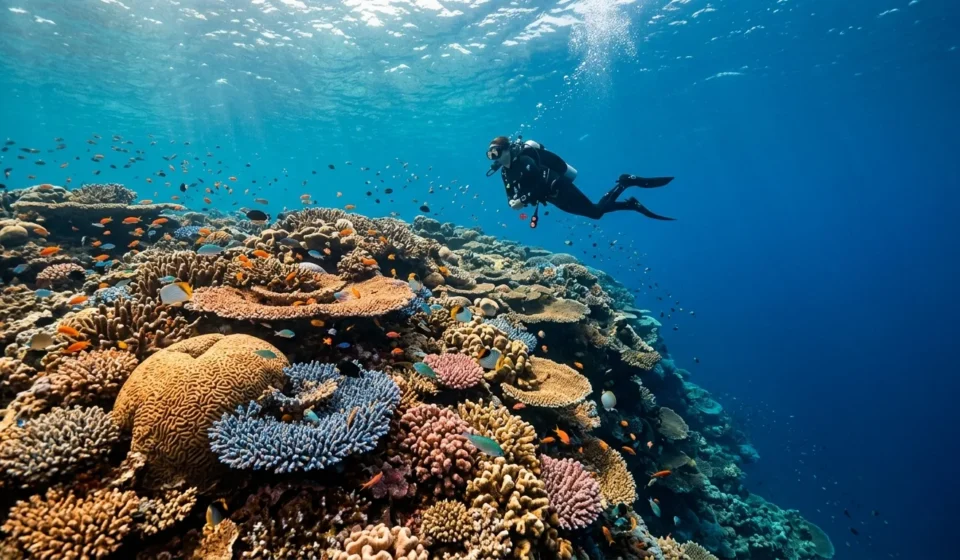

The Great Barrier Reef. Just the name conjures images of an underwater wonderland, a vibrant mosaic of coral teeming with marine life. As someone who’s spent countless hours beneath its surface, finning alongside turtles and marveling at the sheer scale of this natural masterpiece, I can tell you it’s an experience that truly redefines “awe-inspiring.” It’s not just a bucket list item; it’s a living, breathing ecosystem that demands respect and offers unparalleled adventure.
Table Of Content
- Planning Your Great Barrier Reef Adventure: When & Where to Go
- Gateway Towns: Your Launchpad to the Reef
- Snorkeling vs. Diving: Choosing Your Underwater Journey
- Snorkeling: Accessible Wonders from the Surface
- Diving: Deeper Immersion for the Adventurous
- Budgeting & Logistics: Making Your Reef Trip Affordable and Smooth
- Realistic Daily Budgets
- Transportation Tips & Hidden Gems
- Responsible Reef Exploration & Safety
- Sustainable Travel Practices
- Safety First: Your Well-being on the Water
But how do you actually get there, what do you do once you arrive, and how do you ensure your visit is both unforgettable and responsible? Forget those generic “top 10” lists. This is your practical, no-nonsense guide to exploring Australia’s Great Barrier Reef like a seasoned traveler, whether you’re a first-time snorkeler or a certified diver seeking deeper thrills.
Planning Your Great Barrier Reef Adventure: When & Where to Go
Timing your visit is crucial for the best experience. Based on my experience and countless conversations with local operators, the best time to visit the Great Barrier Reef is during Australia’s dry season, which runs from June to October. During these months, you’ll generally find clear skies, less rain, and excellent visibility underwater. The water temperature hovers comfortably between 22-25°C (72-77°F), making it perfect for extended periods in the water without feeling chilly. This is also prime time for spotting whales migrating through the warmer waters, adding another layer of magic to your trip.
However, don’t completely discount the wet season (November to May). While it brings warmer temperatures (26-30°C / 79-86°F), higher humidity, and a greater chance of rain, it also means fewer crowds and often lower prices. Crucially, this period is known as “stinger season,” meaning there’s a higher presence of marine stingers (jellyfish) in the inshore waters. Don’t panic; most reputable tour operators provide full-body stinger suits, thin lycra suits worn over swimwear, which offer protection against stings and also provide excellent sun protection. Plus, the wet season is when the spectacular annual coral spawning occurs, a truly rare sight if you’re lucky enough to witness it.
Gateway Towns: Your Launchpad to the Reef
To access the Great Barrier Reef, you’ll typically fly into one of Queensland’s coastal cities. Each offers a slightly different vibe and access point:
- Cairns: This is arguably the most popular and bustling gateway. Cairns offers the widest array of tour operators, accommodation options ranging from budget hostels to luxury resorts, and easy access to both inner and outer reefs. It’s a great base for beginners due to the sheer volume of choices.
- Port Douglas: Located about an hour’s drive north of Cairns, Port Douglas is a smaller, more upscale town with a relaxed, boutique feel. Many consider it a more scenic and charming base, and its proximity to the northern sections of the reef can sometimes mean shorter travel times to certain sites.
- Airlie Beach (Whitsundays): While technically a separate experience, Airlie Beach is the gateway to the stunning Whitsunday Islands and their fringing reefs, which are part of the Great Barrier Reef Marine Park. This area is more focused on sailing and island hopping, offering a different kind of reef exploration compared to the outer reef trips from Cairns or Port Douglas.
For a comprehensive reef experience, I recommend staying a minimum of 3-5 days in your chosen gateway town. This allows for at least two full-day reef trips (one for snorkeling, one for diving, perhaps?), plus time to explore the local area and recover.
Snorkeling vs. Diving: Choosing Your Underwater Journey
The Great Barrier Reef caters to all levels of comfort in the water. Whether you prefer skimming the surface or delving deeper, there’s an option for you.
Snorkeling: Accessible Wonders from the Surface
Snorkeling is the easiest and most accessible way to experience the reef. With just a mask, snorkel, and fins, you can float effortlessly above vibrant coral gardens, observing a spectacular array of fish, sea turtles, and even small reef sharks. For example, imagine this situation: you’re calmly paddling along, just a few feet above the coral, when suddenly a majestic green sea turtle glides past beneath you, completely unfazed by your presence. It’s moments like these that make snorkeling so incredibly rewarding.
Most reef tours will take you to multiple shallow, sheltered sites perfect for snorkeling. If you’re a beginner, don’t worry – guides are always on hand to offer tips on mask fitting, breathing techniques, and how to conserve energy. Many boats also offer buoyancy vests or noodles, so you can relax and enjoy the view without expending too much effort. Honestly, some of the most stunning reef sections are in relatively shallow water, making snorkeling an incredibly rich experience.
Diving: Deeper Immersion for the Adventurous
If you’re looking for a more immersive experience, diving is the way to go. There are two main paths: Introductory Dives and Certified Dives.
- Introductory Dives (Discover Scuba Diving): No prior experience or certification is needed for this! Under the direct supervision of an instructor, you’ll learn basic skills in shallow water before being guided on an actual dive down to a maximum depth of 12 meters (40 feet). It’s a fantastic way to try diving without committing to a full course. You’ll breathe underwater, feel weightless, and get up close with marine life in a way snorkeling can’t quite match. Expect to pay around AUD $100-150 for an introductory dive on top of your boat trip cost.
- Certified Diving: If you hold a PADI, SSI, or equivalent certification, the reef is your oyster. You’ll have greater freedom to explore deeper sites, swim-throughs, and specific points of interest with a dive buddy or guide. The Great Barrier Reef offers world-class dive sites, from dramatic coral walls to encounters with larger pelagic species like manta rays and even dwarf minke whales (seasonal). A two-dive trip typically costs between AUD $180-250, including gear hire.
When choosing a tour operator, especially for diving, always look for companies with a strong safety record and, ideally, those who are eco-certified. These operators often employ marine biologists who provide insightful briefings, enhancing your understanding of the fragile ecosystem you’re exploring. Small group tours often provide a more personalized and less rushed experience.
Budgeting & Logistics: Making Your Reef Trip Affordable and Smooth
Travel to the Great Barrier Reef can range from budget-friendly backpacking to luxury escapes. Knowing what to expect financially will help you plan better.
Realistic Daily Budgets
Here’s a rough breakdown of what you might expect for a mid-range budget (per person, per day, excluding major flights to Australia):
- Accommodation: A comfortable hostel bed might be AUD $35-50. A budget hotel or guesthouse could be AUD $80-150. Mid-range hotels typically start from AUD $150-250+.
- Food: Self-catering with groceries can keep costs down to AUD $20-30/day. Eating out at casual cafes or pubs might run you AUD $50-80/day. A nice dinner will easily be AUD $40-60+ per person.
- Reef Tours: This will be your biggest expense. A full-day snorkeling-only trip from Cairns or Port Douglas ranges from AUD $180-280. If you add 1-2 introductory dives, expect to pay AUD $250-400+. Liveaboard dive trips for multiple days (highly recommended for certified divers) can start from AUD $500 for 2 days/1 night and go well over AUD $1500 for longer, more extensive trips.
- Local Transport: Within towns, you can often walk or use local buses (AUD $3-5 per ride). Taxis or ride-shares are available but add up quickly.
So, for a comfortable mid-range trip including a couple of reef tours, expect to budget around AUD $300-500 per person per day. Of course, this can be significantly reduced by opting for hostels, self-catering, and fewer tours, or increased by choosing luxury accommodations and more specialized diving experiences.
Transportation Tips & Hidden Gems
Getting to your gateway town usually involves flying into Cairns Airport (CNS) or Proserpine Airport (PPP) for Airlie Beach/Whitsundays. Domestic flights within Australia can be surprisingly affordable if booked in advance, especially with budget carriers like Jetstar or Virgin Australia. Once there, shuttles and local buses connect airports to town centers. To be fair, renting a car for a few days can be a great option if you want to explore the scenic coastal drives or visit the nearby Daintree Rainforest, but it’s not essential for just reef trips.
While Cairns and Port Douglas are fantastic, for those seeking a slightly less touristy experience, consider exploring the reef from Mission Beach. It’s a charming coastal town about two hours south of Cairns, offering access to some beautiful outer reef systems. The operators here often run smaller boats to less crowded sites. You won’t find specific GPS coordinates for a “hidden gem” reef patch, as access is controlled by tour operators, but opting for smaller, locally-run boats from places like Mission Beach or even day trips from Magnetic Island (near Townsville) can offer a more intimate and unique Great Barrier Reef experience compared to the larger vessels departing from the main hubs.
Responsible Reef Exploration & Safety
The Great Barrier Reef is a wonder, but it’s also incredibly fragile. As travelers, we have a profound responsibility to protect it.
Sustainable Travel Practices
Every action, no matter how small, has an impact. Here’s how you can be a responsible reef explorer:
- Look, Don’t Touch: This is the golden rule. Coral is a living organism and extremely delicate. Touching it can damage polyps, introduce oils, and even cause disease. Never stand, kick, or rest on coral.
- Reef-Safe Sunscreen: Traditional sunscreens often contain chemicals like oxybenzone and octinoxate, which are toxic to coral and marine life. Opt for reef-safe sunscreen that uses non-nano zinc oxide or titanium dioxide as active ingredients. Better yet, wear a rash guard or stinger suit for sun protection.
- Choose Eco-Certified Operators: Many tour companies are certified by Ecotourism Australia, indicating their commitment to sustainable practices and conservation. Support these businesses. They often contribute directly to reef research and regeneration efforts.
- Minimize Waste: Bring a reusable water bottle, avoid single-use plastics, and dispose of all rubbish properly.
Remember, we are visitors in the marine animals’ home. Understanding and respecting local Indigenous custodianship of the land and sea is also an important part of cultural etiquette.
Safety First: Your Well-being on the Water
Reef trips are generally very safe, but being prepared is key. Always listen carefully to your tour guides and crew; they are experts on marine conditions and safety protocols. Sun protection is paramount: wear a hat, sunglasses, and high-SPF, reef-safe sunscreen. A rash guard will also provide excellent protection. Hydration is also incredibly important, especially with the tropical sun. But what if you get seasick? Don’t let it ruin your day! Take seasickness medication (like Dramamine or Bonine) well before boarding the boat, as it’s much more effective as a preventative measure. Most boats will also have ginger tablets or patches available.
For divers, it’s critical to declare any medical conditions honestly. Certain conditions can prevent you from diving safely. Always ensure your gear is properly fitted and functioning, and never exceed your training or comfort level. Stinger suits, as mentioned, are a must during stinger season, even for snorkeling, for peace of mind. Your safety is paramount, so don’t hesitate to ask questions or voice any concerns to the crew.
Exploring the Great Barrier Reef is more than just a trip; it’s an encounter with one of Earth’s most precious natural wonders. Armed with this knowledge, you’re ready to plan an adventure that’s not only exhilarating and full of discovery but also responsible and respectful. This incredible ecosystem offers so much to those who venture beneath its waves. So, pack your bags, choose your adventure, and prepare to be utterly captivated by the vibrant, magical world that awaits you.