


Eat Like a Roman: 7 Must-Try Local Food Experiences in Rome
Rome. The Eternal City. A place where history whispers from every cobblestone, and the aroma of incredible food practically guides your steps down ancient alleyways. But here’s the thing: truly eating like a local in Rome isn’t about hitting the most famous spots or the restaurants with the biggest signs.
Table Of Content
- Eat Like a Roman: 7 Must-Try Local Food Experiences in Rome
- 1. Get Lost (and Fed!) in a Local Market
- 2. Master the Art of Pizza al Taglio
- 3. Indulge in Aperitivo Hour
- 4. Experience a True Roman Trattoria
- 5. Seek Out Real Gelato (Not the Fluffy Stuff)
- 6. Embrace the Roman Coffee Ritual
- 7. Hunt Down a Trapizzino
- General Tips for Eating Like a Local
No, it’s about diving into the city’s culinary soul, understanding its rhythms, and savoring the simple, profound pleasures Romans hold dear. As someone who’s spent weeks navigating its markets, queuing for pasta, and sipping espresso standing at a counter, I can tell you that Rome’s food scene is a journey in itself. Forget the tourist traps; we’re going for the real deal. Let’s find those flavors that tell a story.
1. Get Lost (and Fed!) in a Local Market
My top advice for any city, especially Rome: head straight for a market. This is where the city’s pulse truly beats. You’ll find the freshest produce, local cheeses, cured meats, and often, incredible street food at prices that make you smile.
- Mercato Testaccio: (Via Aldo Manuzio, 66) This covered market in the working-class Testaccio district is a revelation. It’s vibrant, authentic, and less touristy than its Campo de’ Fiori cousin. Beyond fresh goods, you’ll find incredible food stalls. Look for Mordi e Vai for their Roman-style sandwiches (try the allesso di bollito, slow-cooked beef) or Trapizzino (more on this later!). This is also the place to see quinto quarto (offal) in action – a Roman culinary tradition that makes use of every part of the animal, often prepared in hearty, delicious stews.
- Budget: A sandwich or supplì (fried rice ball with a molten mozzarella heart – a must-try Roman snack) will set you back €3-€6.
2. Master the Art of Pizza al Taglio
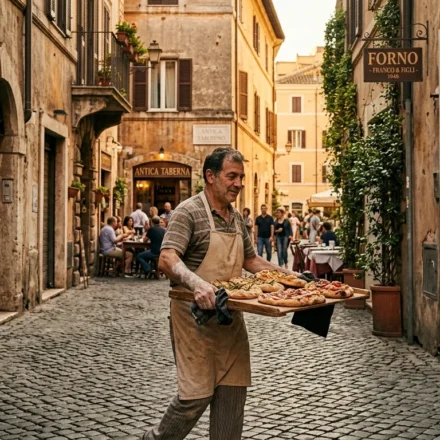
While Naples is the birthplace of the classic round pizza, Rome excels in pizza al taglio – pizza by the slice, often sold by weight. It’s thicker, airy, and baked in rectangular trays, then cut with scissors. It’s the ultimate grab-and-go Roman lunch.
- Where to find it: Look for a forno (bakery) or pizzeria al taglio. One famous spot is Forno Campo de’ Fiori (Campo de’ Fiori, 22), known for its simple but perfect pizza bianca (plain pizza with olive oil and salt).
- Tip: Romans often eat it folded in half, like a sandwich. Try classic toppings like patate e rosmarino (potato and rosemary) or fiori di zucca (zucchini flowers).
- Budget: Expect to pay €3-€7 for a generous slice.
3. Indulge in Aperitivo Hour
Before dinner, Romans engage in aperitivo. It’s not just a happy hour; it’s a social ritual. You order a drink (often a Spritz, Negroni, or glass of wine), and it comes with complimentary snacks – sometimes a small bowl of nuts and olives, sometimes an elaborate buffet.
- When & Where: Typically from 6 PM to 9 PM. Head to neighborhoods like Trastevere or Monti. Freni e Frizioni (Via del Politeama, 4/6, Trastevere) is a lively spot with a fantastic buffet, or try a more low-key bar in Monti like Fafiuche (Via della Madonna dei Monti, 28).
- Budget: A drink and accompanying snacks usually cost €8-€15.
4. Experience a True Roman Trattoria
This is where you’ll find the soul of Roman cooking. A trattoria is typically a family-run, unpretentious restaurant serving traditional dishes. Look for places with handwritten menus, slightly worn decor, and a bustling atmosphere filled with Italian chatter.
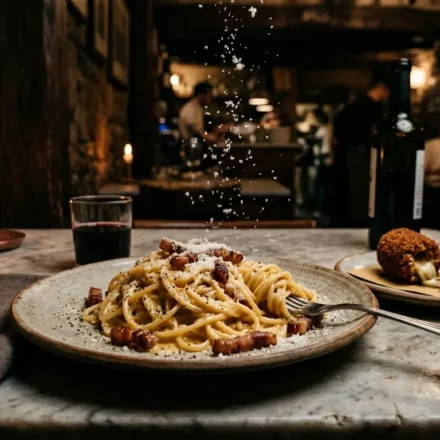
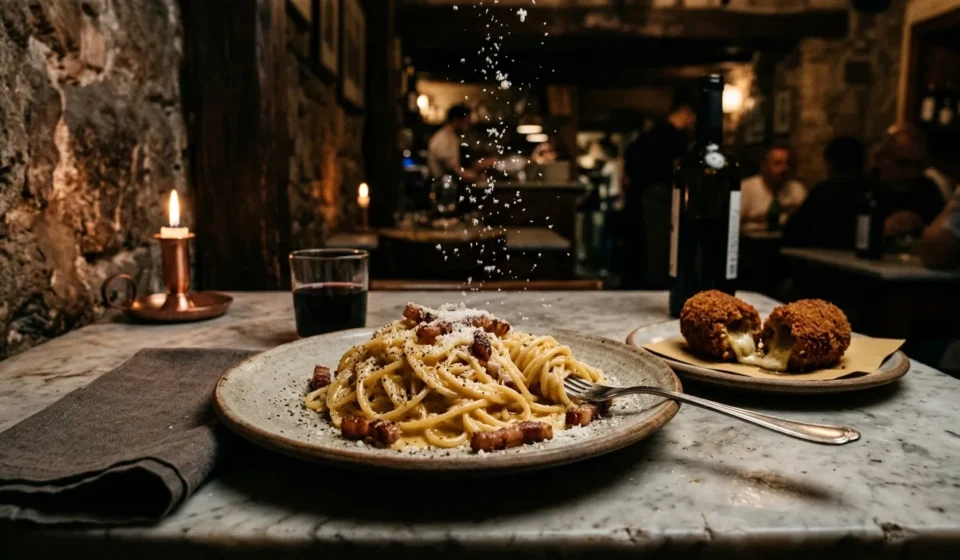
- Must-try Pasta Dishes: This is non-negotiable. Dive into the “four Roman pastas”: Cacio e Pepe (pecorino cheese and black pepper), Carbonara (eggs, guanciale, pecorino, pepper – NO CREAM!), Amatriciana (guanciale, tomato, pecorino), and Gricia (guanciale, pecorino, pepper – essentially Amatriciana without tomato).
- Recommendation: Da Enzo al 29 (Via dei Vascellari, 29, Trastevere) is famously authentic, expect a queue! Or venture to Testaccio for Checchino dal 1887 (Via di Monte Testaccio, 30) for a historic Roman dining experience, especially if you’re feeling adventurous with traditional dishes like coda alla vaccinara (oxtail stew).
- Budget: A pasta dish usually runs €10-€15. A full meal with wine might be €25-€40 per person.
5. Seek Out Real Gelato (Not the Fluffy Stuff)
Ah, gelato. It’s everywhere, but good gelato is an art. Avoid places with mountains of brightly colored gelato piled high in open tubs; those usually mean artificial flavors and stabilizers. Authentic gelato is served from covered metal bins, often has muted, natural colors, and fewer, seasonal flavors.
- Where to go: Gelateria del Teatro (Via dei Coronari, 65) for unique flavors, Fatamorgana (multiple locations) for natural ingredients, or the classic Giolitti (Via degli Uffici del Vicario, 40) for a taste of history (though it can be touristy, the quality is still high).
- Budget: A small cone or cup is typically €3-€5.
6. Embrace the Roman Coffee Ritual
Coffee in Rome is not a leisurely affair. It’s a quick, strong shot of energy, often consumed standing at the bar. Forget your giant lattes; here, it’s all about the espresso.
- The Rules: Order at the cash register first, then take your receipt to the barista. Cappuccinos are strictly a breakfast drink, never ordered after 11 AM! If you want milk, ask for a caffè macchiato (espresso “stained” with a dash of milk) or latte macchiato (steamed milk “stained” with a shot of espresso).
- Iconic Spot: Sant’Eustachio Il Caffè (Piazza di S. Eustachio, 82) near the Pantheon, famous for its secret coffee blend and creamy foam.
- Budget: An espresso at the bar costs around €1-€1.50.
7. Hunt Down a Trapizzino
This is Rome’s modern street food darling, a brilliant invention from Stefano Callegari. It’s a triangular “pocket” of fluffy, leavened pizza dough, baked to perfection, and then filled with classic Roman stews and sauces. Think of it as a culinary hug.
- What to try: Fillings like coda alla vaccinara (oxtail), pollo alla cacciatora (hunter’s style chicken), or polpette al sugo (meatballs in sauce) are common. They are messy, comforting, and utterly Roman.
- Where to find it: There are several Trapizzino outlets across the city, including one in Testaccio Market and another in Trastevere (Piazza Trilussa, 46).
- Budget: Around €4-€5 per trapizzino.
General Tips for Eating Like a Local
- Look for locals: If a place is packed with Italians, it’s usually a good sign. Avoid restaurants with touts outside or picture menus in multiple languages.
- Opening Hours: Many Roman restaurants close between lunch (1 PM – 3 PM) and dinner (7:30 PM onwards). Plan your meals accordingly.
- Learn a few phrases: “Il conto, per favore” (The check, please) or “Posso avere un caffè, per favore?” (Can I have a coffee, please?) goes a long way.
- Sustainable Travel: Support small, family-run establishments. They’re often passionate about local ingredients and traditional recipes, contributing directly to the community.
Rome’s culinary scene is a treasure hunt, and every bite tells a story hundreds of years old. So, go on, wander those ancient streets, let your nose lead the way, and don’t be afraid to step into that unassuming little spot that just feels right. You’ll find that the best part of eating like a local isn’t just the food itself, but the unexpected connections and authentic moments it brings. What Roman dish will you discover first?