


Marrakech: A Feast for the Senses and the Stomach
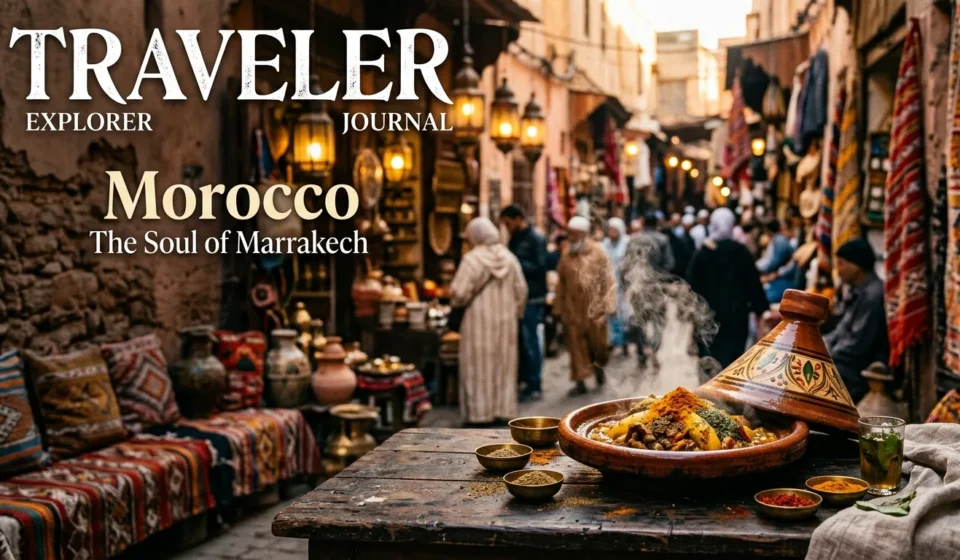
Stepping into Marrakech is like plunging headfirst into a vibrant, fragrant kaleidoscope. The air itself hums with the calls of vendors, the murmur of countless conversations, and an intoxicating symphony of spices. For the seasoned wanderer, or even the first-time international traveler, Marrakech isn’t just a destination; it’s an experience you taste, smell, and feel.
Table Of Content
- Marrakech: A Feast for the Senses and the Stomach
- Why Go Beyond the Obvious?
- Planning Your Culinary Adventure
- Best Time to Visit
- Realistic Daily Food Budget
- Recommended Stay Duration for Foodies
- Navigating the Souks & Finding Hidden Gems
- Djemaa el-Fna: The Grand Entrance
- Beyond the Square: The Real Deal
- Must-Try Moroccan Delicacies
- Cultural Etiquette & Safety Tips
- Sustainable & Responsible Food Tourism
- Ready to Taste Marrakech?
And what an experience for the palate! Forget the generic “top 10” lists you might find elsewhere. We’re going deeper. A true Marrakech food tour isn’t just about eating; it’s about navigating the labyrinthine souks, understanding the rhythm of the city, and uncovering the culinary secrets tucked away in unassuming corners. It’s where the real magic happens, far from the tourist traps.
Why Go Beyond the Obvious?
Marrakech’s Djemaa el-Fna, the central square, is famous for its evening food stalls. And yes, it’s an essential spectacle. But it’s also just the beginning. The medina, the old walled city, holds countless tiny eateries, family kitchens, and street vendors whose offerings are often more authentic, more delicious, and certainly more rewarding to discover. A guided food tour, or even a self-guided adventure with the right knowledge, cuts through the noise and takes you straight to the heart of Moroccan flavors.
Planning Your Culinary Adventure
Best Time to Visit
For comfortable eating and exploring, aim for the shoulder seasons (a travel term for the period between peak and off-peak seasons): March to May or September to November. The weather is pleasantly warm, typically ranging from 20-30°C (68-86°F), perfect for strolling the souks without the intense summer heat (which can hit 40°C/104°F+ in July/August). Winter (December-February) is also mild, but evenings can be chilly.
Realistic Daily Food Budget
Moroccan food is incredibly affordable, especially if you eat like a local. For a dedicated food explorer:
- Street Food & Snacks: 50-100 MAD ($5-10 USD) for a mix of pastries, skewers, fresh juice, and tea.
- Local Eateries (Lunch/Dinner): 70-150 MAD ($7-15 USD) per meal for a substantial tagine or tanjia (a slow-cooked lamb dish unique to Marrakech) at a good local spot.
- Mid-Range Restaurants: 150-250 MAD ($15-25 USD) per meal if you want a more upscale experience or a restaurant with a view.
Expect to spend around 150-250 MAD ($15-25 USD) per person per day purely on food and non-alcoholic drinks if you’re mixing street food with a sit-down meal.
Recommended Stay Duration for Foodies
To truly immerse yourself in Marrakech’s food scene, I’d suggest 4-5 days. This gives you enough time to explore Djemaa el-Fna, venture into the deeper medina, perhaps take a cooking class, and revisit your favorite discoveries.
Navigating the Souks & Finding Hidden Gems
The souks are a maze. Embrace it. The best way to explore is on foot. Forget taxis inside the medina; they simply can’t go where you want to be. Rickshaws and donkey carts are for goods, not tourists. You’ll be walking, so wear comfortable shoes.
Djemaa el-Fna: The Grand Entrance
As dusk settles, the square transforms. Food stalls pop up like mushrooms after rain, each announcing its specialties. Don’t be shy; wander, observe, and pick a stall that’s bustling with locals. Stall 14 is often recommended for its harira (a hearty lentil and chickpea soup) and brochettes (skewers). Try the tanjia here too, if you’re feeling adventurous. But here’s a tip: don’t fill up entirely on your first night. There’s so much more to discover.
Beyond the Square: The Real Deal
The true culinary treasures are in the alleys. Look for places where locals gather, often marked by little more than a charcoal grill or a steaming pot. One such spot I stumbled upon, tucked away behind the Ben Youssef Madrasa, was a tiny place specializing in M’semen (flaky Moroccan pancakes) served with honey and mint tea. No name, just an old woman expertly flipping dough. You’ll find similar delights if you just keep your eyes open.
For a proper sit-down meal, venture slightly off the main tourist routes. Near Bab Doukkala, just outside the medina walls, there are several modest eateries serving excellent, authentic dishes like chicken tagine with preserved lemon and olives or lamb with prunes and almonds. One family-run spot, a modest blue-tiled room, served an unforgettable beef kefta (meatball) tagine for about 80 MAD ($8). It didn’t even have a sign, but the aroma led the way.
Must-Try Moroccan Delicacies
- Tagine: The quintessential Moroccan dish, slow-cooked in an earthenware pot. Varieties are endless: chicken, lamb, beef, vegetable. Don’t leave without trying at least three different kinds.
- Tanjia Marrakchia: A Marrakech specialty. Lamb or beef slow-cooked in an urn-shaped pot, traditionally in the embers of a public hammam furnace. Rich, tender, utterly divine.
- Harira: A hearty soup, especially popular during Ramadan, but available year-round. Perfect for a cool evening.
- Mint Tea (Attay): More than just a drink, it’s a ritual. Served sweet, poured from a height to create a frothy head. Refusing it is considered impolite.
- Pastries: Chebakia (sesame cookies), ghriba (almond cookies), and a host of honey-drenched delights. Pair them with coffee or more mint tea.
- Snail Soup (Babbouche): Yes, snails. Found in Djemaa el-Fna, it’s considered medicinal. Don’t knock it ’til you’ve tried it. The broth is fragrant and unique.
Cultural Etiquette & Safety Tips
- Bargaining: Expected in the souks, but less so for food. In local eateries, prices are usually fixed. Always be polite and smile.
- Eating with Hands: Many dishes, especially tagines, are traditionally eaten with bread (khobz) as your utensil, using your right hand. Wash up first.
- Dress Modestly: Respect local customs. Shoulders and knees covered for both men and women. It makes interaction smoother.
- Hydration: Drink plenty of bottled water. Tap water is generally not safe for consumption.
- Safety in the Medina: Keep your valuables secure. The medina can feel overwhelming, especially at night. Stick to well-lit areas, and if you get lost (which you will!), ask a shopkeeper for directions rather than unsolicited “guides.” A small tip for genuine help is fine, but be firm if you don’t want assistance.
Sustainable & Responsible Food Tourism
As advocates for sustainable travel here at Destination Wanderer, we encourage you to:
- Support Local: Eat at small, family-run establishments. Your money directly supports the local economy.Reduce Waste: Bring a reusable water bottle. While plastic is prevalent, every little bit helps.
- Mind Your Footprint: Be mindful of what you order. Try to eat everything you take. Food waste is a global issue.
Ready to Taste Marrakech?
Marrakech is a city that never truly sleeps, and its culinary scene is just as vibrant and tireless. From the bubbling pots of harira in the Djemaa el-Fna to the secret garden restaurants serving gourmet pastilla, there’s a flavor for every palate. The best way to discover it? Go with an open mind, an empty stomach, and a willingness to get a little lost.
What will be the first spice to truly grab you? And which hidden alleyway will reveal your new favorite Moroccan dish? Only one way to find out.