
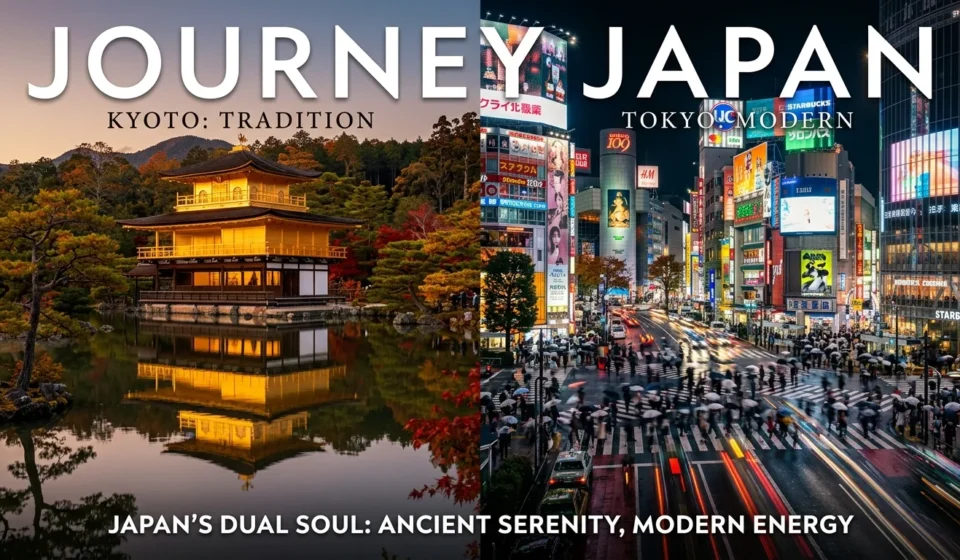

Kyoto vs. Tokyo: Which Japanese City Aligns With Your Wanderlust?
Ah, Japan! Just uttering the name conjures images of serene temples, bustling streetscapes, delicious ramen, and unparalleled efficiency. It’s a country that consistently tops travel wish lists, and for good reason. But for first-timers, or even seasoned Japanophiles looking for a different experience, a fundamental question often arises: Should I dive into the futuristic frenzy of Tokyo, or embrace the timeless tranquility of Kyoto?
Table Of Content
Having navigated countless Japanese train stations and sampled more konbini snacks than I care to admit, I’ve seen both sides of this incredible coin. This isn’t about which city is “better”—they are both phenomenal—but about helping you discover which destination genuinely resonates with your travel style, budget, and what you hope to experience.
Tokyo: The Pulse of Tomorrow
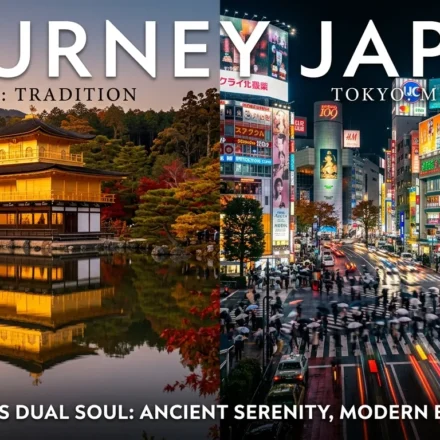
If your heart beats for urban exploration, cutting-edge technology, and a city that feels like it’s constantly inventing the future, then Tokyo might just be your spiritual home. It’s an electrifying metropolis, a sensory overload in the best possible way, where tradition subtly weaves into a tapestry of neon and innovation.
- The Vibe: Fast-paced, hyper-efficient, incredibly diverse. One moment you’re lost in the digital labyrinth of Akihabara, the next you’re finding peace in the historic Meiji Jingu Shrine. It’s a city of a million neighborhoods, each with its own distinct character.
- Why You’ll Love It: World-class dining, unparalleled shopping, vibrant nightlife, quirky themed cafes, pop culture immersion, and a public transport system that makes navigating 38 million people feel effortless.
- Don’t Miss: Witnessing the organized chaos of Shibuya Crossing, singing your heart out in a Shinjuku karaoke bar (try one of the smaller, local spots near Golden Gai for a real experience), wandering the serene paths of Shinjuku Gyoen National Garden, and exploring the side streets of Kagurazaka for a taste of old Tokyo charm. If you’re into quirky, book a ramen-making class – it’s more fun than you think!
- Best Time to Visit: Spring (late March to early April) for cherry blossoms, or Autumn (October to November) for brilliant fall foliage and comfortable temperatures. Summer can be incredibly hot and humid, while winter is crisp and clear, with fewer crowds.
- Realistic Daily Budget (Mid-Range): Expect to spend around $120-$250 USD per person per day.
- Accommodation: A comfortable business hotel or guesthouse runs $80-$150/night. You can snag a clean capsule hotel for $30-$50 if you’re brave.
- Food: From a $7 ramen bowl to a $40 izakaya feast, Tokyo offers options. Grab a $5 bento box from a “konbini” (convenience store) for a budget-friendly lunch.
- Transport: A Suica or Pasmo IC card is essential. Most subway rides cost $1.50-$3. A Tokyo Metro 24-hour pass is about $6.
- Recommended Stay Duration: 4-6 full days to truly explore a few distinct districts without feeling rushed.
- Insider Tip: For an unexpectedly tranquil experience amidst the bustle, visit Yanaka Ginza, an old-fashioned shopping street. It feels worlds away from Shibuya.
Kyoto: The Soul of Ancient Japan
If your dream trip involves wandering through bamboo groves, contemplating ancient temples, spotting geisha gliding down cobbled streets, and immersing yourself in centuries of tradition, then Kyoto is calling your name. It’s Japan’s cultural heart, a city where every corner seems to whisper tales of emperors and samurai.
- The Vibe: Spiritual, traditional, serene, reflective. While it’s a bustling city, its pace feels noticeably slower than Tokyo’s. The beauty here is often found in quiet contemplation.
- Why You’ll Love It: Deep cultural immersion, stunning historical sites, beautiful gardens, traditional arts (tea ceremonies, kimono wearing), and a chance to step back in time.
- Don’t Miss: The iconic torii gates of Fushimi Inari Shrine (go early to beat the crowds), the ethereal beauty of Arashiyama Bamboo Grove, a peaceful stroll along the Philosopher’s Path (especially during cherry blossom or autumn leaf season), and exploring the wooden machiya houses of Gion. Don’t just tick off the big names; seek out smaller, less crowded temples like Otagi Nenbutsu-ji, famed for its 1200 unique rakan statues.
- Best Time to Visit: Identical to Tokyo, Spring (late March to early April) and Autumn (October to November) are prime times for scenery and weather. Winter offers snow-dusted temples and fewer tourists, though it can be cold.
- Realistic Daily Budget (Mid-Range): Aim for $100-$200 USD per person per day.
- Accommodation: Traditional ryokans can be pricey ($150-$400+), but excellent guesthouses and hotels range from $70-$150/night. A stay in a quaint, family-run guesthouse near Kiyomizu-dera might cost you $40-$60.
- Food: Street food and local restaurants offer meals for $10-$25. A full “kaiseki” (traditional multi-course meal) can be a splurge ($50-$150+).
- Transport: Kyoto relies heavily on its efficient bus system. A one-day bus pass costs about $6 and is highly recommended. Many central areas are wonderfully walkable.
- Recommended Stay Duration: 3-5 full days to explore the main districts and soak in the atmosphere.
- Insider Tip: Kyoto’s temples often have specific closing times, but their grounds are sometimes accessible earlier. A dawn walk through Kiyomizu-dera, before the souvenir shops even open, is pure magic.
The Verdict: Which Japanese City is For You?
So, where should you go? The choice really boils down to the flavor of Japan you’re craving:
- Choose Tokyo if: You’re a city enthusiast, a foodie, a tech-lover, a fashionista, or someone who thrives on constant discovery and a dynamic urban pulse. You appreciate efficiency, diverse entertainment, and the feeling of being at the forefront of global trends.
- Choose Kyoto if: You seek cultural depth, historical beauty, spiritual serenity, and a slower pace. You prefer quiet contemplation over neon lights and are eager to explore ancient traditions, stunning gardens, and the artistic heritage of Japan.
Here’s a counterintuitive tip: if you only have a short trip (less than 7 days), don’t try to cram both into your itinerary. Pick one and savor it. Japan’s bullet train, the Shinkansen, connects these two magnificent cities in about 2.5 hours (around $100-$140 one-way, depending on the service). If you have a week or more, combining them offers an incredible contrast, showcasing the multifaceted soul of Japan.
Whether you chase the neon glow of Tokyo or the ancient whispers of Kyoto, one thing is certain: Japan will capture your heart. What kind of unforgettable adventure are you ready to embark on?