
Slovenia vs Croatia: Alpine Lakes or Adriatic Shores?
Ah, the Balkans. A region brimming with history, natural splendor, and some of the friendliest faces you’ll meet anywhere. But when it comes to picking a prime European adventure, the perennial question arises: Slovenia or Croatia? As someone who’s spent months trekking through their national parks, island-hopping their coasts, and getting gloriously lost on their backroads, I can tell you it’s a delightful dilemma. These two neighbors, while sharing some history, offer vastly different experiences. It’s like choosing between a perfectly brewed artisan coffee and a vibrant, fruity cocktail. Both excellent, but for different moods.
Table Of Content
Slovenia: The Green Heart of Europe
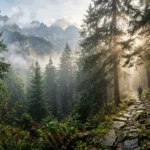
Slovenia, a compact nation often overshadowed by its flashier neighbors, is a revelation. It’s Central Europe’s best-kept secret, a land of emerald lakes, dramatic Julian Alps, and charming medieval towns. If you crave pristine nature, outdoor adventure, and a quieter pace, Slovenia will steal your heart.
- Vibe & Main Draw: Think fairytale castles perched on islands, glacial lakes that shimmer with an otherworldly glow, and a pervasive sense of tranquility. It’s an outdoor enthusiast’s paradise, a place where you can hike, bike, raft, and ski, often within an hour’s drive of the capital.
- Best Time to Visit: For hiking and exploring the lakes, June to September is ideal, with warm days (20-28°C) and long daylight hours. For skiing in the Julian Alps, December to March is prime. If you prefer fewer crowds and pleasant temperatures for city breaks, the shoulder seasons (May and October) are fantastic, though you might encounter a bit more rain.
- Key Experiences: You simply cannot miss Lake Bled (get the cream cake, kremna rezina, trust me) and its less-crowded, wilder sister, Lake Bohinj. Ljubljana, the capital, is a joy to wander, with its dragon-guarded bridges and riverside cafes. For adventure, head to the Soča Valley for white-water rafting or canyoning.
- Budget Insights: Slovenia is generally more affordable than Western Europe but slightly pricier than much of Croatia inland. Expect to pay around €25-€40 per night for a guesthouse or hostel bed, €10-€20 for a decent meal, and €5-€15 for local transport. A realistic daily budget, staying in comfortable guesthouses and enjoying activities, could be around €60-€90 per person.
- Transportation: Slovenia’s size makes it incredibly easy to navigate. An excellent network of buses and trains connects most major towns and attractions. Renting a car is also popular, offering the flexibility to explore places like the Logar Valley or the Goriška Brda wine region at your own pace. For a real hidden gem, look for Velika Planina, a shepherd settlement that feels utterly timeless – take the cable car from Kamniška Bistrica.
- Stay Duration: A solid 5-7 days allows you to see the highlights, perhaps splitting your time between Ljubljana, Lake Bled/Bohinj, and the Soča Valley.
- Local Quirk: Slovenes are avid beekeepers. You’ll find beehives everywhere, even in urban areas, and honey products are a national treasure. The country is sometimes called “the land of bees.”
Croatia: Adriatic’s Sparkling Jewel
Croatia. The name itself conjures images of ancient walled cities, sun-drenched islands, and turquoise waters. It’s a destination that has exploded in popularity, and for good reason. If you dream of island-hopping, exploring Roman ruins, and swimming in the Mediterranean, Croatia beckons.
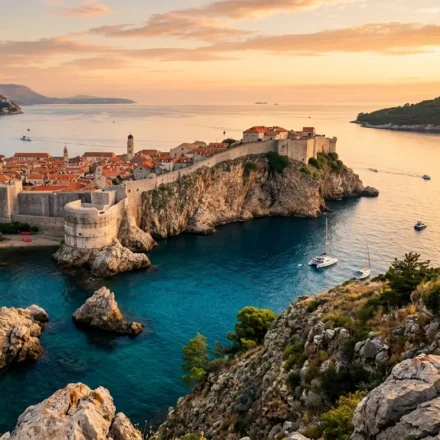
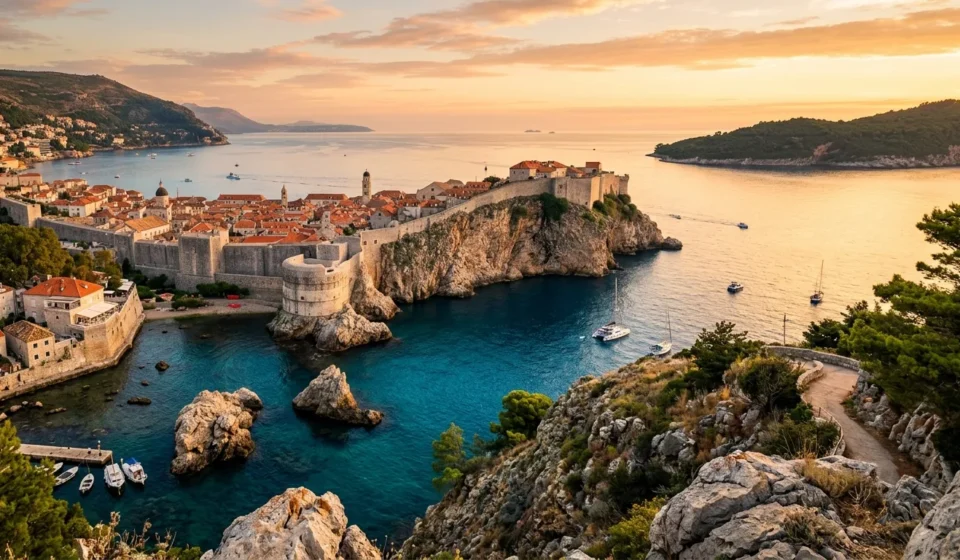
- Vibe & Main Draw: Croatia is all about the sea, history, and a vibrant coastal energy. From the dramatic cliffs of Dubrovnik to the bustling markets of Split and the pristine beauty of its national parks, it’s a country that caters to both history buffs and beach lovers.
- Best Time to Visit: The coast truly comes alive from June to September (25-35°C), perfect for swimming and island hopping. Be warned, though, that popular spots like Dubrovnik and Hvar can get very crowded. For a more relaxed experience, the shoulder seasons (May and October) offer pleasant weather, fewer tourists, and lower prices, especially for exploring cities like Split or the Istrian peninsula.
- Key Experiences: Dubrovnik’s Old Town is an absolute must-see, even with the crowds. Explore Diocletian’s Palace in Split, and make time for at least one island – Hvar for glamour, Korčula for history, or Vis for a more laid-back vibe. Plitvice Lakes National Park, with its cascading waterfalls and emerald pools, is breathtaking but can be overrun, so go early!
- Budget Insights: This is where it gets tricky. Croatia’s prices vary wildly. Dubrovnik and Hvar Town are notoriously expensive, with guesthouses easily hitting €80-€150 per night in peak season. Elsewhere, particularly away from the main tourist hubs, you can find rooms for €40-€70. Food can range from €10 for a simple Peka dish to €30+ for a seaside dinner. A realistic daily budget for a mix of popular and less-touristy spots could be around €70-€120 per person.
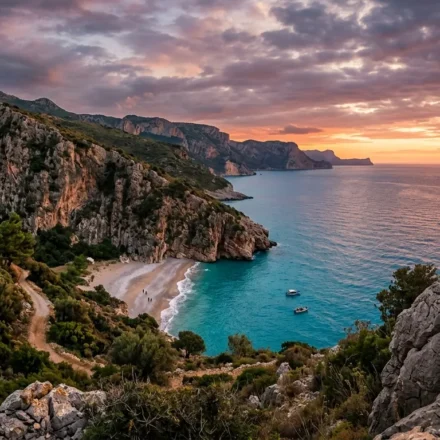
- Transportation: Ferries are king for island hopping. Buses connect most mainland cities efficiently. Trains are less developed, especially along the coast. Renting a car is fantastic for exploring the Istrian peninsula or the lesser-known interior. For a true hidden gem, consider the island of Vis. It’s further out, meaning fewer crowds, and boasts incredible beaches like Stiniva Cove (GPS: 43.0232° N, 16.0827° E) accessible by boat or a steep walk.
- Stay Duration: You could spend weeks here, but a good 7-10 days allows for a taste of the coast, an island, and a city.
- Counterintuitive Tip: While everyone flocks to Plitvice, consider Krka National Park as an alternative. It’s often less crowded, just as beautiful, and you used to be able to swim near some waterfalls (check current rules, as they change).
The Showdown: Who Wins for You?
So, alpine lakes or Adriatic shores? It truly comes down to your travel style and what you seek from your adventure.
- Nature vs. Coast: If you dream of mountains, pristine lakes, lush forests, and epic hiking, Slovenia is your clear winner. If your heart yearns for the sea, ancient coastal cities, and endless island exploration, Croatia is unrivaled.
- Crowds: Slovenia, while growing in popularity, still offers a more tranquil experience, especially outside of Lake Bled. Croatia’s main coastal attractions, particularly in summer, can feel overwhelmingly busy.
- Price Point: Slovenia generally offers better overall value for money, though specific luxury options exist in both. Croatia’s high-demand coastal areas can be surprisingly expensive.
- Travel Style: Slovenia is perfect for active travelers, slow travel enthusiasts, and those who love to immerse themselves in nature. Croatia suits those looking for a mix of history, beach relaxation, and vibrant nightlife, with plenty of opportunities for sailing and watersports.
Practical Considerations & Sustainable Travel
No matter which you choose (or if you decide, like many, to combine both!), remember a few things. Both countries use the Euro (€). English is widely spoken in tourist areas, but learning a few basic phrases in Slovene or Croatian (Dober dan! for “Good day!” and Hvala! for “Thank you!”) goes a long way. Always practice Leave No Trace principles. Support local businesses, respect cultural heritage sites, and be mindful of your water and energy consumption. Avoid single-use plastics where possible. We’re all guests here, after all.
Ultimately, both Slovenia and Croatia offer incredible, unforgettable journeys. They share a certain Balkan charm, a resilience, and a deep connection to their stunning landscapes. The real question isn’t which one is “better,” but which one whispers to your wanderlust right now. Perhaps it’s the crisp mountain air and the call of a hidden waterfall in Slovenia. Or maybe it’s the salty breeze and the ancient stones of a Croatian island. What adventure are you craving?