
Uncorking Europe: Your Guide to the Continent's Best Wine Destinations
Imagine this: You’re standing on a sun-drenched terrace, a gentle breeze rustling through rows of grapevines stretching as far as the eye can see. In your hand, a glass of exquisite local wine, its story unfolding with every sip. This isn't just about tasting wine; it’s about immersing yourself in centuries of tradition, stunning landscapes, and unforgettable culinary experiences. Europe's wine regions offer so much more than just a drink; they offer a journey for the senses.
But with so many incredible places to choose from, how do you pick the perfect vineyard adventure? Are you dreaming of sophisticated cellars in France, rustic charm in Italy, dramatic river valleys in Portugal, or fairytale castles in Germany? As someone who’s spent years traversing these very terrains, often on a shoestring budget and always with an eye for authenticity, I’m here to help you navigate the rich tapestry of European wine country. We’ll explore the distinct personalities, practicalities, and hidden corners of some of the continent's most iconic wine destinations, helping you decide which one truly calls to your travel spirit.
France: Burgundy & Bordeaux – The Epitome of Elegance and Terroir
When you think of European wine, France is often the first country that comes to mind, and for good reason. It’s home to some of the world's most revered terroirs (a French term referring to the complete natural environment in which a particular wine is produced, including factors like soil, topography, and climate). Let's compare two of its giants: Burgundy and Bordeaux, each offering a distinct experience.
Burgundy: Pinot Noir, Chardonnay, and Micro-Climates
- Why It's Special: Burgundy is all about Pinot Noir and Chardonnay, expressed through an intricate mosaic of tiny vineyards, each with its own unique climat (a precisely delineated vineyard plot). It’s a region for connoisseurs who appreciate nuance and the concept of terroir above all else. The small, family-run domaines (wine estates) are the heart of the region.
- Best Time to Visit: Late Spring (May-June) offers lush greenery and pleasant temperatures, while Autumn (late September-October) provides the vibrant colours of harvest season and a buzzing atmosphere. Expect temperatures around 15-22°C.
- Realistic Daily Budget: Burgundy tends to be pricier. Expect to spend €150-€250 per person per day for comfortable mid-range accommodation (like a charming guesthouse in Beaune for €100-€150/night), excellent food, and a couple of tastings. Wine tours can add significantly.
- Recommended Stay: 3-5 days to truly delve into the Côte de Nuits and Côte de Beaune, allowing time for cycling through vineyards and leisurely meals.
- Getting Around: A rental car is almost essential for flexibility, allowing you to explore the small villages and tiny domaines off the main roads. Trains connect Dijon and Beaune, but local transport between vineyards is limited. Car rental averages €40-€70/day.
- Hidden Gems & Tips: Instead of only focusing on grand crus, seek out smaller producers in villages like Volnay or Chambolle-Musigny. Many offer intimate tastings by appointment. I once stumbled upon a tiny, unassuming producer in Pommard, whose family had been making wine for generations. They barely spoke English, but the passion and the wine spoke volumes, and a tasting cost only €10. Cultural Etiquette: Always book tastings in advance and be punctual. Respect for tradition is paramount.
Bordeaux: Grand Châteaux and Blended Reds
- Why It's Special: Bordeaux is synonymous with grand châteaux and prestigious blends, primarily Cabernet Sauvignon, Merlot, and Cabernet Franc. It’s a more structured, often formal wine experience, with vast estates and impressive architecture, particularly in regions like Médoc and Saint-Émilion.
- Best Time to Visit: Similar to Burgundy, late Spring (May-June) or early Autumn (September-October) are ideal. Summers can be quite hot, reaching 25-30°C.
- Realistic Daily Budget: Bordeaux can also be expensive, especially for tours of major châteaux. Expect €180-€300+ per day. Accommodation in Bordeaux city can be €100-€180/night, with châteaux stays being much higher.
- Recommended Stay: 3-4 days allows you to visit a couple of key regions like Médoc and Saint-Émilion, perhaps with a day exploring Bordeaux city itself.
- Getting Around: A rental car is highly recommended for exploring the sprawling estates. Guided bus tours from Bordeaux city are also popular if you prefer not to drive. Public transport between vineyards is sparse.
- Hidden Gems & Tips: Explore the Right Bank's smaller producers around Fronsac or Blaye for more intimate and affordable tastings. Consider a bicycle tour through the vineyards of Saint-Émilion. Sustainable Travel: Look for châteaux with organic or biodynamic certifications, a growing trend in the region.
Italy: Tuscany – Romance, Rolling Hills, and Sangiovese
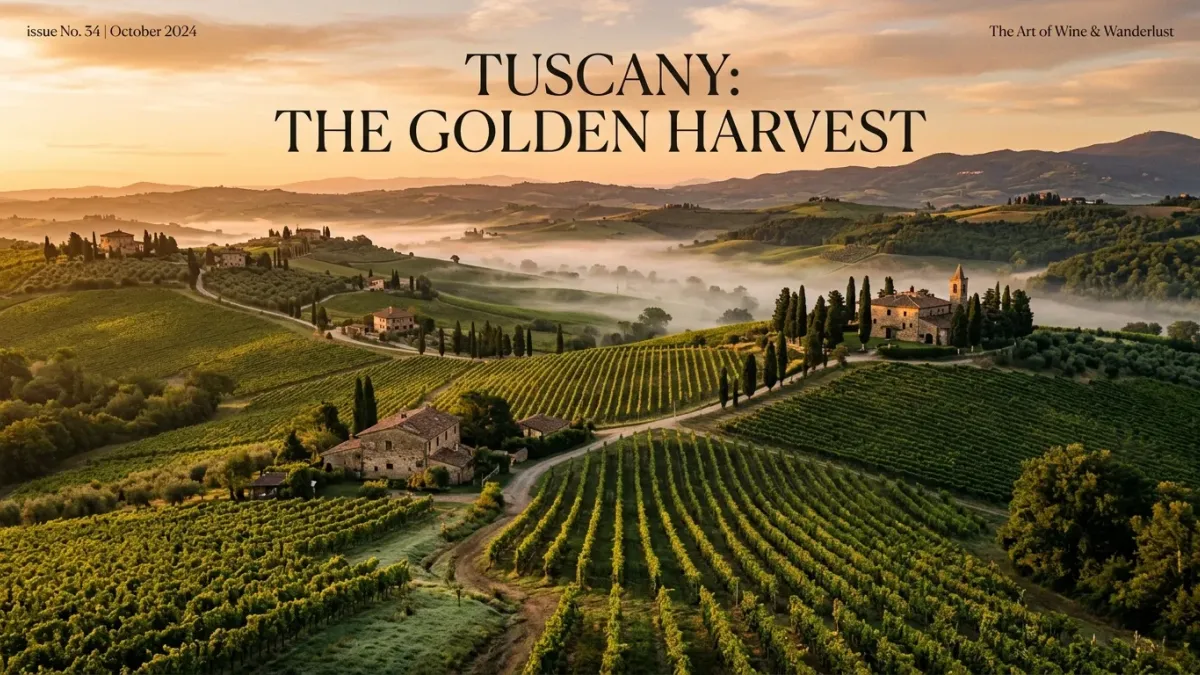
Ah, Tuscany! This region is probably what most people picture when they dream of an Italian escape: sun-drenched rolling hills, cypress-lined drives, medieval hilltop towns, and, of course, magnificent wines. It’s a blend of romance, history, and incredible food, making it perfect for couples or those seeking a quintessential European experience.
- Why It's Special: Tuscany is home to the mighty Sangiovese grape, the backbone of Chianti Classico, Brunello di Montalcino, and Vino Nobile di Montepulciano. Beyond the wine, the landscapes are iconic, dotted with agriturismos (farm stays) that offer authentic culinary experiences, often including cooking classes.
- Best Time to Visit: Late Spring (May-June) and early Autumn (September-October) are ideal, offering pleasant weather (18-25°C), vibrant colours, and fewer crowds than peak summer. Plus, autumn often means harvest festivals.
- Realistic Daily Budget: Tuscany offers a wide range. A comfortable mid-range trip can be €120-€200 per person per day. Agriturismo stays can range from €80-€150/night, often including breakfast. Food is generally affordable, especially if you eat at local trattorias.
- Recommended Stay: 4-7 days. This allows you to explore different sub-regions like Chianti, Val d'Orcia, and perhaps Montalcino, without feeling rushed.
- Getting Around: A rental car is highly recommended for exploring the countryside, staying at agriturismos, and reaching smaller wineries. While trains connect major cities like Florence and Siena, they don't serve the heart of the wine country. Car rental is €30-€60/day.
- Hidden Gems & Tips: Seek out family-run agriturismos (like a charming one I stayed at near Pienza for €90/night) for an authentic stay. Explore the smaller towns of the Val d'Orcia (GPS: 43.0763° N, 11.5645° E) for breathtaking landscapes and less touristy experiences. Many offer farm-to-table meals and informal tastings. Cultural Etiquette: Embrace slow travel here; savor meals, enjoy the views, and don't rush.
Portugal: Douro Valley – Dramatic Terraces and Port Wine
If you're looking for a wine region with jaw-dropping scenery that feels a world away, the Douro Valley in Portugal should be at the top of your list. This UNESCO World Heritage site is unlike anywhere else, with its impossibly steep, terraced vineyards carved into the mountainsides overlooking the winding Douro River. It's an adventure in itself.
- Why It's Special: The Douro is the oldest demarcated wine region in the world, famous for its Port wine (a sweet, fortified wine) but increasingly recognized for its excellent unfortified red and white wines. The dramatic landscape is a testament to human ingenuity and perseverance. It’s perfect for those who appreciate natural beauty alongside their wine.
- Best Time to Visit: Late Spring (May-June) offers lush greenery and comfortable temperatures (20-28°C), while early Autumn (September-October) is harvest season, with the exciting tradition of lagares (grape stomping) at many quintas (wine estates).
- Realistic Daily Budget: The Douro offers good value. Expect €100-€180 per person per day. A charming quinta stay can be €80-€140/night, and meals are generally affordable and delicious.
- Recommended Stay: 2-4 days. This gives you time for a scenic train ride, a river cruise, and visits to a couple of quintas.
- Getting Around: The scenic train from Porto to Pinhão (€10-€20 one way) is an experience in itself. River cruises are also popular. For more flexibility, a rental car is useful but be prepared for very winding, narrow roads. Overlanding (self-reliant travel to remote destinations) is popular in Portugal, and the Douro roads are a true test!
- Hidden Gems & Tips: While iconic quintas like Quinta do Seixo offer great tours, look for smaller, family-run estates (often signposted simply as "Vinho do Porto") around Regua or Lamego that offer more personalized experiences, often including lunch. I remember a small quinta near Peso da Régua where a fantastic tasting and traditional lunch with the owner cost us only €40 each. Cultural Etiquette: Portuguese people are incredibly welcoming; a simple "obrigado/a" (thank you) goes a long way.
Germany: Mosel Valley – Steep Slopes, Fairytale Castles, and Riesling
Often overlooked in favor of its French and Italian counterparts, Germany’s Mosel Valley is a hidden gem that deserves your attention. This region offers a completely different wine experience, characterized by some of the steepest vineyards in the world, charming fairytale villages, and the crisp, aromatic white wines of the Riesling grape.
- Why It's Special: The Mosel boasts unique geology and climate, producing world-class Riesling wines that range from bone-dry to lusciously sweet. The medieval castles clinging to hillsides above the winding Mosel River create a picture-perfect backdrop for wine tasting. It's an excellent choice for those seeking adventure, history, and superb white wines.
- Best Time to Visit: Late Spring (May-June) or early Autumn (September-October) provide the best weather (15-22°C) for hiking and cycling, with fall bringing the added beauty of harvest festivities.
- Realistic Daily Budget: The Mosel Valley is generally more budget-friendly than France or Italy. Expect €80-€150 per person per day. Guesthouses or Winzerhöfe (winery guesthouses) can be found for €60-€100/night, and meals are hearty and affordable.
- Recommended Stay: 3-5 days. This allows you to explore several villages, visit a few wineries, and perhaps hike or cycle some of the scenic trails.
- Getting Around: Trains connect Koblenz and Trier, and local trains and buses run along the river. However, a car provides the most flexibility for exploring small villages and vineyards. Cycling is also incredibly popular on well-maintained paths. River cruises offer a relaxing way to see the region. Car rental from €35-€60/day.
- Hidden Gems & Tips: Visit the charming village of Beilstein, often called the "Sleeping Beauty of the Mosel." For the adventurous, hike the Bremmer Calmont via ferrata (GPS: 50.1171° N, 7.1517° E), Europe's steepest vineyard, for incredible views and a well-deserved glass of Riesling afterward. Look for Strausswirtschaften or Besenwirtschaften (seasonal taverns run by winemakers) for incredibly fresh, local food and wine. Safety Practices: Hiking the steep trails requires good footwear and a head for heights; some sections are aided by cables.
Your European Wine Adventure Awaits
So, which European wine region is calling your name? As you can see, each offers a unique blend of wine, culture, landscape, and experience. Whether you're drawn to the sophisticated elegance of Burgundy, the romantic charm of Tuscany, the dramatic beauty of the Douro, or the fairytale appeal of the Mosel, there’s a perfect match for your travel style and budget.
Based on my experience, the key is to decide what kind of journey you're truly after. Are you seeking a quiet, immersive educational experience, or a more vibrant, Social adventure? Are you a seasoned wine lover, or just starting your journey? No matter your choice, remember to travel responsibly, support local producers, and embrace the unique culture of each region. Europe’s wine regions are more than just destinations; they’re an invitation to explore, taste, and connect. Pack your bags, brush up on a few local phrases, and get ready to create some unforgettable memories with Destination Wanderer as your guide.