




Laying the Groundwork: Smart Planning for Your South American Adventure
Dreaming of ancient Inca ruins, Amazonian wildlife, and vibrant colonial cities? South America calls to the adventurous spirit, but many believe it’s an expensive dream. Let me tell you, that couldn’t be further from the truth! With the right strategy, this incredible continent is not only affordable but often best experienced on a budget, immersing you deeply in local life. It’s about smart choices, a bit of flexibility, and embracing the journey.
Table Of Content
- Laying the Groundwork: Smart Planning for Your South American Adventure
- Best Time to Visit & Weather Wisdom
- Realistic Budgeting: What to Expect Daily
- Duration Matters: How Long Should You Stay?
- Mastering Movement: Affordable Transportation in South America
- Buses, Buses, Buses: Your Best Friend on the Road
- Local Transport & Ride-Sharing
- Strategic Flights: When to Splurge (or Not)
- Eating, Sleeping & Exploring on a Dime: Local Secrets
- Accommodation Hacks: More Than Just Hostels
- Savoring Local Flavors: Eating Smart
- Free & Low-Cost Activities: Embrace the Outdoors
- Unearthing Hidden Gems: Go Beyond the Postcard
- Staying Safe, Sound & Sustainable: Responsible Budget Travel
- Safety First: Common Sense & Local Savvy
- Cultural Etiquette: Respect Goes a Long Way
- Sustainable Choices: Treading Lightly
As someone who’s spent countless months crisscrossing these lands, from the highest Andes to the deepest Amazon, I can assure you that your South American adventure doesn’t need to empty your bank account. It’s about understanding the rhythm of the continent, knowing where to save, and when to splurge just a little for an unforgettable experience. So, let’s dive into how you can make that dream a reality without the financial stress.
Best Time to Visit & Weather Wisdom
Timing is everything when it comes to budget travel. While peak season brings perfect weather, it also brings higher prices and bigger crowds. That’s why I always recommend the shoulder season – the periods immediately before and after the peak tourist months. For much of the Andean region (Peru, Bolivia, Ecuador), the dry season runs roughly from May to October, with peak around June-August. Visiting in April-May or September-October means fewer tourists and slightly lower prices, though you might encounter a few more showers.
For Patagonia (southern Argentina and Chile), summer (December-February) is peak, so aim for November or March for good weather and better deals. The Amazon, being tropical, is generally hot and humid year-round, with a “dryer” season from May to October, which might make some treks easier. Honestly, a little rain never hurt anyone, and sometimes it just makes for more dramatic photos!
Realistic Budgeting: What to Expect Daily
One of the most common questions I get is, “How much does South America really cost?” And my answer is always, “Less than you think, if you’re smart!” A realistic daily budget for a backpacker in cheaper countries like Bolivia, Peru, Ecuador, and Colombia can be as low as $25-$40 USD per day. This covers basic accommodation, local food, and inter-city transport.
For example, imagine this situation: you’re in a bustling city like Cusco. You can find a clean, simple private room in a *hospedaje* (a small, family-run guesthouse) a few blocks off the main square for $15-$25/night. You grab a delicious and filling *menú del día* (a fixed-price lunch menu, typically including soup, a main dish, and a drink) for $3-$5. Dinner is street food or cooking at your hostel for $5. Add in a local bus fare for $1 and you’re well within budget. Of course, countries like Chile and Argentina, and major cities in Brazil, will push that closer to $40-$60+ a day, but it’s still very manageable compared to Europe or North America.
Duration Matters: How Long Should You Stay?
To truly travel on a budget and experience South America, you need time. This is where slow travel comes in – the practice of traveling at a more leisurely pace, spending more time in fewer places. Not only does this reduce your per-day travel costs (fewer expensive long-distance journeys), but it also allows for deeper cultural immersion and better deals on longer-term accommodation.
I believe that for a single country, a minimum of 2-3 weeks is ideal. If you’re planning to hop between 2-3 countries, aim for 2-3 months. The longer you stay, the more you can leverage weekly or monthly discounts on rentals, and truly get to know a place, finding those local gems that tourists often miss. Plus, you avoid the burnout of constant movement!
Mastering Movement: Affordable Transportation in South America
Once you’ve got your budget and timeline down, the next big hurdle is getting around. But what would you do in this situation where flights are too expensive and you need to cover vast distances? You embrace the bus, my friend!
Buses, Buses, Buses: Your Best Friend on the Road
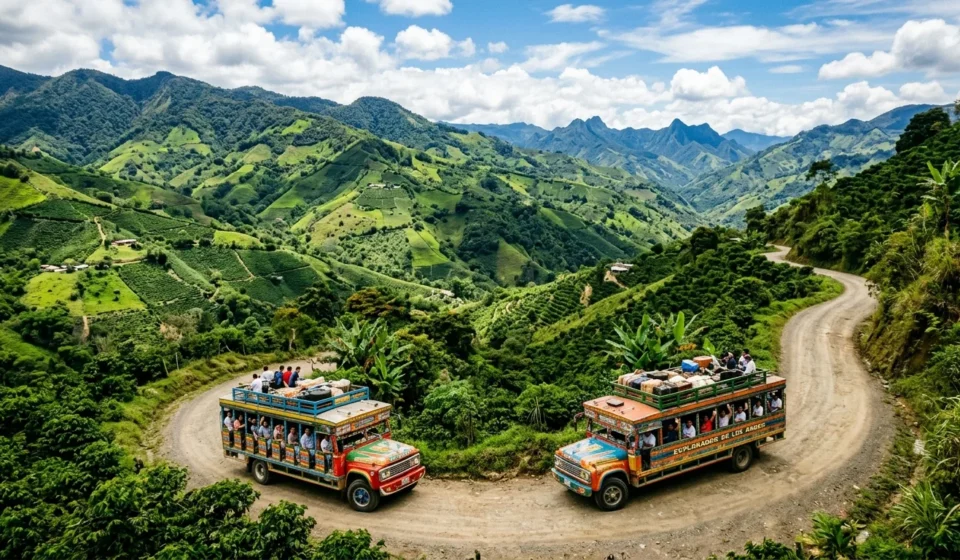
Long-distance buses are the undisputed king of budget travel in South America. They are incredibly comprehensive, connecting almost every town and city, and are significantly cheaper than flights. You can expect to pay anywhere from $5-$15 for a 4-6 hour journey, and $20-$50 for an overnight trip. Many companies offer different classes: “semi-cama” (reclining seats) or “cama” (fully reclining beds), which are surprisingly comfortable and often include a meal.
My advice? Embrace overnight buses. You save on a night’s accommodation and wake up in a new city. Always check a few different companies at the bus terminal for the best prices and departure times. Major reputable companies like Cruz del Sur (Peru), Expreso Bolivariano (Colombia/Ecuador), and Flecha Bus (Argentina) are generally safe and reliable. Just keep an eye on your belongings, especially smaller bags stowed overhead.
Local Transport & Ride-Sharing
Within cities, local buses are incredibly cheap, often less than $1 a ride. Look for *colectivos* (shared taxis or minibuses) which run fixed routes and are also very economical. In many cities, ride-sharing apps like Uber, Cabify, and Didi are prevalent and often much safer and more transparent than hailing a traditional taxi, especially for solo travelers or at night. Always confirm the price before you start your journey, if not through an app, then with the driver.
Strategic Flights: When to Splurge (or Not)
While buses are your budget backbone, sometimes a flight makes sense. If you’re trying to cover an enormous distance quickly (e.g., from Bogotá to Cusco, or across the Amazon basin), or if a bus journey would take 24+ hours, then a domestic flight could be worth the splurge. Local budget airlines like Viva Air (Colombia/Peru), Sky Airline (Chile/Peru), or Gol/Latam (Brazil) can offer competitive prices if booked in advance. However, always factor in baggage fees, which can quickly erase any savings.
Eating, Sleeping & Exploring on a Dime: Local Secrets
Now that you know how to get there and get around, let’s talk about the fun stuff: where to eat, sleep, and what to do without spending a fortune. This is where the real magic of budget travel in South America happens.
Accommodation Hacks: More Than Just Hostels
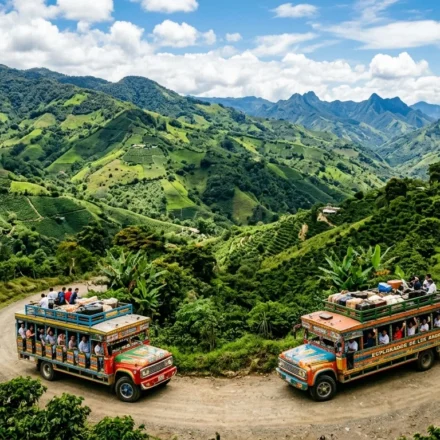
Hostels are great for meeting people and often include a kitchen, but don’t limit yourself! Look for *hospedajes* or *posadas*. These are often family-run, slightly more basic guesthouses that offer private rooms for prices comparable to a hostel dorm. For example, in Salento, Colombia, I once stayed in a cozy *hospedaje* on the edge of town for just $20/night, including a simple breakfast, with stunning views of the coffee region.
Consider volunteering (e.g., through Workaway or Worldpackers) in exchange for accommodation and sometimes food – a fantastic way to save money and immerse yourself. Couchsurfing can also be a wonderful way to connect with locals and get free accommodation, though it requires trust and open communication.
Savoring Local Flavors: Eating Smart
Eating well on a budget in South America is incredibly easy and delicious. Forget fancy restaurants. Your best friends are local markets (*mercados*), street food vendors, and the aforementioned *menú del día*. Markets offer incredibly fresh produce, cheap snacks, and often small, informal eateries serving hearty local fare for a few dollars.
Street food is an adventure in itself, from *arepas* in Colombia to *empanadas* in Argentina, *salteñas* in Bolivia, or *anticuchos* in Peru. Always choose busy stalls with high turnover for freshness. Learning a few basic cooking skills for your hostel kitchen can also save a ton of money, especially for breakfast and dinner.
Free & Low-Cost Activities: Embrace the Outdoors
South America is a playground for outdoor enthusiasts, and many of the best experiences are free! Hiking is paramount: explore the trails around Huaraz, Peru; hike to the stunning Quilotoa Loop in Ecuador; or trek through the Cocora Valley in Colombia. City walking tours (often “free,” but tip your guide!) are fantastic for getting acquainted with a new place.
Spend afternoons wandering through vibrant local markets, relaxing in beautiful city parks, or simply people-watching from a plaza bench with a cheap coffee. Many museums offer free entry on certain days of the week, so always check their schedules. Beaches, waterfalls, and national parks often have low entry fees, making them perfect for budget exploration.
Unearthing Hidden Gems: Go Beyond the Postcard
To truly experience the soul of South America on a budget, you need to venture a little off the most trodden paths. Instead of just seeing Machu Picchu (which, while incredible, can be pricey), consider exploring the lesser-known Inca ruins in the Sacred Valley, like Pisac or Ollantaytambo, which are accessible by local bus for pennies. Or, hike to Laguna 69 in Huaraz for a fraction of the cost of a multi-day trek, finding yourself surrounded by breathtaking Andean peaks.
In Arequipa, Peru, instead of just seeing the Santa Catalina Monastery, spend an afternoon exploring the traditional neighborhoods of Yanahuara or Cayma, enjoying a *queso helado* (a local ice cream) from a street vendor while watching the sunset over El Misti. No specific GPS needed, just wander the cobbled streets and let serendipity guide you. These are the moments that truly stick with you, the ones that feel authentic and deeply personal.
Staying Safe, Sound & Sustainable: Responsible Budget Travel
Traveling on a budget doesn’t mean compromising on safety or responsibility. In fact, often, it means being more integrated into local life, which can enhance both.
Safety First: Common Sense & Local Savvy
South America, like any continent, has its challenges. But with common sense, you’ll be fine. Don’t flash expensive electronics or jewelry. Be aware of your surroundings, especially at night or in crowded areas – pickpocketing is a common issue. Leave important documents and most of your cash locked away at your accommodation, carrying only what you need for the day. Trust your gut; if a situation feels off, remove yourself from it. Learning a few Spanish phrases goes a long way in navigating safely and confidently.
Cultural Etiquette: Respect Goes a Long Way
Being a respectful traveler costs nothing but pays dividends. Learn basic Spanish phrases (“Hola,” “Gracias,” “Por favor”). Ask permission before taking photos of people, especially in indigenous communities. Tipping isn’t as prevalent as in North America, but rounding up taxi fares or leaving a small tip for exceptional service is always appreciated. Understand that schedules can be flexible (don’t expect everything to run like clockwork!), and embrace the slower pace of life. Your openness will be met with warmth and hospitality.
Sustainable Choices: Treading Lightly
As a seasoned wanderer, I’m a huge advocate for sustainable travel practices. Budget travel often naturally aligns with this. Reduce your plastic use by carrying a reusable water bottle and filter. Support local businesses, eateries, and artisans directly – your money goes further and directly benefits the community. Respect nature: stay on marked trails, don’t litter, and minimize your impact. Remember, we are guests in these incredible places, and it’s our responsibility to preserve them for future generations of wanderers, just like us, who seek out the magic of South America.