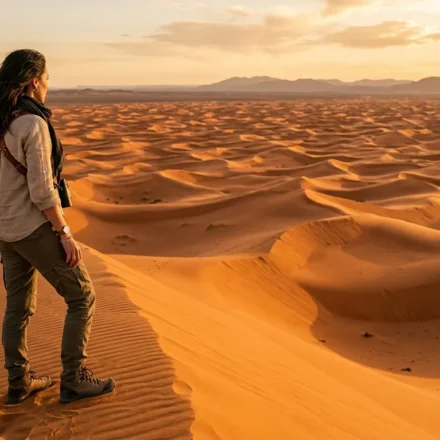


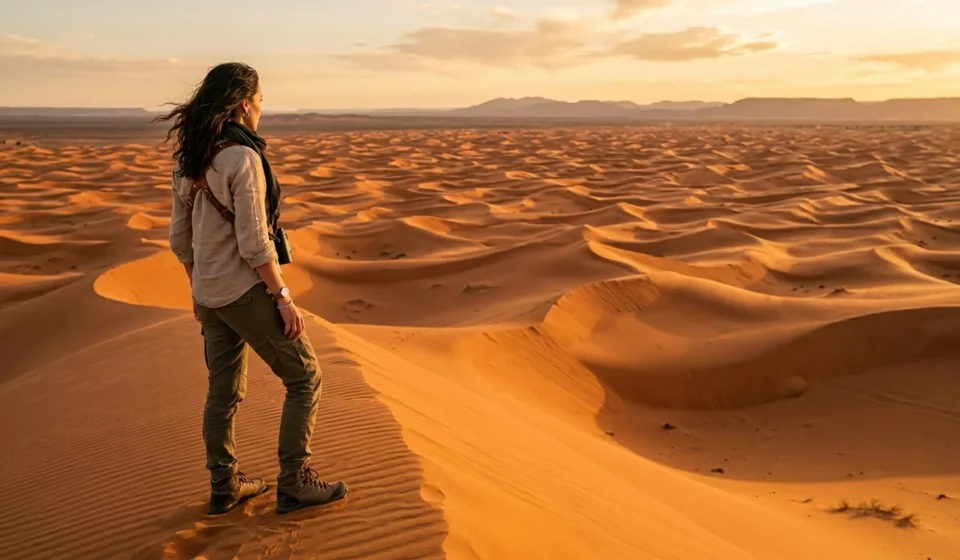

Morocco. The very name conjures images of bustling souks, aromatic tagines, ancient medinas, and endless desert dunes. It’s a country that ignites the imagination, offering a sensory overload unlike anywhere else. As a seasoned wanderer who’s spent considerable time navigating its enchanting chaos, I can tell you it’s an utterly captivating destination. But for solo female travelers, the thought of exploring this North African gem often comes with a mix of excitement and apprehension.
Table Of Content
- Is Morocco Safe for Solo Female Travelers? The Honest Truth
- Cultural Etiquette: Traveling Respectfully
- Planning Your Moroccan Solo Adventure
- Best Time to Visit
- Realistic Daily Budgets
- Recommended Stay Durations
- Getting Around: Transportation Tips
- Hidden Gems & Must-Do Experiences
- Sustainable Travel Practices
Let me assure you: Morocco is absolutely doable and incredibly rewarding for solo women. With the right mindset, preparation, and a healthy dose of cultural awareness, you can have an unforgettable adventure. Forget generic advice; at Destination Wanderer, we’re here to give you the real talk, grounded in experience, to help you navigate Morocco safely, confidently, and authentically.
Is Morocco Safe for Solo Female Travelers? The Honest Truth
Overall, Morocco is a safe country. Violent crime against tourists is rare. However, petty theft and, more commonly, street harassment are realities you should be prepared for. This doesn’t mean you should be afraid, but rather aware and empowered.
- Street Harassment: Expect catcalls, stares, and propositions, especially in larger cities like Marrakech and Fes. Most of it is verbal and ignorable. The best strategy? Ignore it completely. Don’t engage, make eye contact, or respond. Walk with purpose. If someone is persistent and makes you uncomfortable, duck into a shop or cafe.
- Dress Code: While not legally enforced for tourists, dressing modestly is your best defense against unwanted attention and a sign of respect for local culture. Cover your shoulders, cleavage, and knees. Loose-fitting trousers, long skirts, and tunic tops are ideal. A lightweight scarf is handy for covering your head when entering religious sites or if you want to dial down attention in crowded areas.
- Night Safety: Stick to well-lit, populated areas. Avoid walking alone at night, especially in deserted parts of the medina. Taxis are readily available and affordable; ask your accommodation to arrange one or use official taxi stands.
- Scams & Touts: Be firm but polite. “No, thank you” in French (Non, merci) usually works. Common scams include “helpful” people leading you to a tannery that’s “closed for prayer” or insisting a street is “closed” to guide you elsewhere for a fee.
Cultural Etiquette: Traveling Respectfully
Morocco is a conservative Muslim country. Embracing local customs will not only enrich your experience but also minimize uncomfortable situations.
- Dress Modestly: As mentioned, this is key. You don’t need to wear a hijab, but covering up shows respect.
- Public Displays of Affection: Avoid any public displays of affection, even holding hands, as it can be seen as offensive.
- Bargaining: In the souks, bargaining is expected and part of the experience. Aim to pay about 30-50% of the initial asking price. Be polite, have fun, and don’t be afraid to walk away.
- Photography: Always ask permission before photographing people, especially women and children. A simple Permit me? (Permettez-moi?) usually suffices. Be prepared for a “no” or a request for a small tip.
- The Left Hand: In Moroccan culture, the left hand is considered unclean. Always use your right hand when eating, passing food, or greeting people.
Planning Your Moroccan Solo Adventure
Best Time to Visit
The shoulder seasons (April-May and September-October) are ideal. Shoulder season refers to the travel periods just before or after the peak season. The weather is pleasant, not too hot for exploring, and crowds are manageable. Summers (June-August) are scorching, especially inland. Winters (November-March) can be cold, particularly in the mountains and at night, but are great for desert trips.
Realistic Daily Budgets
- Budget Traveler ($30-50/day): Staying in hostels or basic guesthouses ($10-20/night), eating street food or local cafes ($5-10/meal), using public transport (buses/trains).
- Mid-Range Traveler ($60-100/day): Staying in charming riads (traditional Moroccan houses with an interior courtyard or garden, $30-60/night), dining in nicer local restaurants, occasional taxis, a few guided tours. For example, a family-run riad in the hills above Chefchaouen for $35/night often includes breakfast.
Recommended Stay Durations
- Marrakech/Fes: 3-4 days each to explore the medina, souks, and key sights.
- Chefchaouen: 2-3 days for its relaxed vibe and blue streets.
- Essaouira: 2-3 days for coastal charm and fresh seafood.
- Desert Trip: 2-3 days for a memorable Sahara experience (often organized tours from Marrakech or Fes).
A typical 10-14 day itinerary allows for a good mix of cities, culture, and nature.
Getting Around: Transportation Tips
- Trains (ONCF): Excellent between major cities like Marrakech, Casablanca, Rabat, Fes. Comfortable, reliable, and affordable. Fes to Marrakech takes about 7-8 hours, around $25-35 for first class.
- Buses (CTM & Supratours): The best option for routes not covered by trains, or for reaching smaller towns like Chefchaouen. Both are reputable, clean, and safe. Book tickets a day or two in advance, especially for popular routes. Marrakech to Essaouira is about 3 hours, ~$8-10.
- Grand Taxis: Shared inter-city taxis that follow set routes. Grand taxis are typically older Mercedes sedans that take up to 6 passengers. You can buy individual seats or pay for all seats if you want privacy. Haggle fiercely for the price if buying all seats. Better to use CTM/Supratours for solo travel.
- Petit Taxis: City taxis (petit taxis are smaller, specific to one city). Insist the driver uses the meter (ask le compteur, s’il vous plaît?). If they refuse, find another. A typical ride within a city is $1-3.
Hidden Gems & Must-Do Experiences
- Explore the Blue City of Chefchaouen: Nestled in the Rif Mountains, this tranquil town (GPS: 35.1724° N, 5.2638° W) offers stunning photo opportunities, friendly locals, and a much more relaxed vibe than the imperial cities. It’s a great place to ease into Morocco solo.
- Aït Benhaddou: A UNESCO World Heritage site, this fortified village (ksar) is a stunning example of Moroccan earthen architecture. Many desert tours stop here. It feels like stepping back in time.
- Berber Village Trek in the Atlas Mountains: Consider a day trip or overnight stay in the Ourika Valley or Imlil. Hire a local, licensed guide (your riad can help) to explore traditional Berber villages and enjoy breathtaking scenery. It’s a wonderful way to experience authentic Moroccan hospitality.
Sustainable Travel Practices
As a solo traveler, you have a unique opportunity to make a positive impact.
- Support Local: Choose locally owned riads, guesthouses, and restaurants. Buy souvenirs directly from artisans. Your money goes directly to the community.
- Minimize Waste: Carry a reusable water bottle and fill it up. Avoid single-use plastics where possible.
- Respect the Environment: Especially in natural areas like the desert or mountains, “leave no trace.”
Morocco is a country that will challenge you, charm you, and ultimately, change you. By being prepared, culturally sensitive, and open to its vibrant energy, your solo female journey through this incredible land will be one for the books. Trust your gut, embrace the adventure, and prepare to be enchanted!