Taste Vietnam: Your Passport to Street Food Heaven
Honestly, if you travel to Vietnam and don't dive headfirst into its incredible street food scene, you're missing out on half the experience. Forget fancy restaurants for a moment; the real heart and soul of Vietnamese cuisine live on bustling street corners, in tiny alleyways, and at humble stalls where recipes have been perfected over generations. This isn't just about eating; it's a sensory overload – the sizzle of woks, the aroma of lemongrass and ginger, the vibrant colors, and the symphony of local chatter. As someone who’s spent countless months backpacking through this incredible country, I can tell you that my fondest memories often revolve around a plastic stool, a steaming bowl, and a friendly vendor.
But how do you navigate this delicious labyrinth? How do you know what to eat, where to find the best spots, and how to avoid any tummy troubles? That's exactly what this guide is for. Consider me your personal street food guru, ready to share all the secrets I've picked up from Hanoi to Ho Chi Minh City. We're talking real, actionable advice so you can eat like a local, stay safe, and create unforgettable culinary memories.
What to Eat: Your Essential Vietnamese Street Food Checklist
Ready to embark on a flavor journey? These are the dishes you absolutely cannot miss. They’re the backbone of Vietnamese street food, each telling a story of regional specialties and culinary passion. You'll find these everywhere, but the trick is knowing which stall does them best.
Phở: The Iconic Noodle Soup
Let's start with the undisputed king: Phở. This aromatic noodle soup, usually made with beef (phở bò) or chicken (phở gà), is a national treasure. The broth is simmered for hours with star anise, cinnamon, ginger, and other spices, creating a complex, deeply satisfying flavor. In the North (Hanoi), phở tends to be simpler, with clear broth and fewer garnishes. In the South (Ho Chi Minh City), you’ll often get a wider array of fresh herbs, lime, and chili for a more customizable bowl. My go-to in Hanoi is usually a small, unassuming spot like Phở Gia Truyền Bát Đàn (49 Bát Đàn), where a bowl will set you back about 60,000-80,000 VND ($2.50-$3.50 USD).
Bánh Mì: The World's Best Sandwich
Oh, Bánh Mì, how I adore thee! This isn't just a sandwich; it's a culinary masterpiece. A crispy, airy baguette (a legacy of French colonial rule) is filled with a delicious assortment of ingredients: pâté, various cold cuts (like Vietnamese ham or pork floss), pickled daikon and carrot, fresh cilantro, cucumber, chili, and a special sauce. Every region and vendor has its own twist. Look for stalls with long lines of locals – that's your sign of a winner. A good Bánh Mì usually costs around 20,000-40,000 VND ($0.80-$1.70 USD) and makes for a perfect breakfast or quick lunch. Seriously, you'll be craving these long after you've left Vietnam.
Bún Chả: Hanoi's Grilled Pork Noodle Delight
If you're in Hanoi, Bún Chả is non-negotiable. This dish features succulent grilled pork patties and slices of pork belly served in a flavorful broth, accompanied by vermicelli noodles (bún) and a generous plate of fresh herbs. You dip the noodles and herbs into the broth with the pork. It's an explosion of sweet, savory, and tangy flavors. The most famous spot, Bún Chả Hương Liên (24 Lê Văn Hưu), gained international fame when Anthony Bourdain and Barack Obama dined there. Expect to pay around 40,000-60,000 VND ($1.70-$2.50 USD) for a satisfying meal.
Gỏi Cuốn & Bánh Xèo: Fresh Rolls and Sizzling Pancakes
For something lighter, try Gỏi Cuốn, or fresh spring rolls. These translucent rice paper rolls are packed with shrimp, pork, vermicelli noodles, and fresh herbs, served with a delicious peanut dipping sauce. They're a refreshing contrast to the heavier noodle soups. Then there's Bánh Xèo, a savory, crispy pancake made from rice flour, turmeric, and coconut milk, filled with shrimp, pork, and bean sprouts. It's fried until golden and served with a mountain of fresh greens and a dipping sauce. To eat, you break off a piece, wrap it in lettuce or mustard leaves with some herbs, and dip it. A plate of Gỏi Cuốn costs around 5,000-10,000 VND per roll, while Bánh Xèo can be 30,000-60,000 VND ($1.30-$2.50 USD) per pancake.
Beyond the Bites: Essential Drinks and Sweet Treats
Vietnamese street food isn't just about the savory; there's a whole world of refreshing drinks and delightful desserts waiting to be discovered. Hydration and a sweet finish are key, especially in Vietnam’s often tropical climate.
Cà Phê Sữa Đá: The Legendary Iced Coffee
You absolutely cannot visit Vietnam without indulging in Cà Phê Sữa Đá. This strong, dark roasted coffee, brewed through a traditional phin filter, is mixed with condensed milk and served over ice. It’s sweet, incredibly potent, and the perfect pick-me-up. You'll see locals sipping it at every street corner cafe. A glass typically costs 15,000-30,000 VND ($0.60-$1.30 USD). If you prefer it hot, ask for Cà Phê Sữa Nóng.
Trà Đá, Sinh Tố, and Chè: Refreshing Sips and Sweet Ends
For something less caffeinated, Trà Đá (iced green tea) is often served free with meals or costs just a few thousand VND. It's incredibly refreshing. Then there are Sinh Tố, vibrant fruit smoothies made with fresh local fruits like mango, avocado, passion fruit, or jackfruit, often blended with condensed milk and ice. They're a delicious way to cool down and get your daily dose of vitamins, usually 20,000-40,000 VND ($0.80-$1.70 USD). Finally, for dessert, explore Chè – a diverse family of sweet soups or puddings made with ingredients like beans, fruits, jellies, and coconut milk, served hot or cold. Each region has its own specialties, so be adventurous!
Navigating the Streets: How to Eat Like a Local (and Stay Safe)
Now that you know *what* to eat, let's talk about *how* to find the best spots and ensure a safe, enjoyable experience. This is where my 15 years of wandering come in handy – it's all about observation and a little bit of common sense.
Finding the Best Stalls: The Local Litmus Test
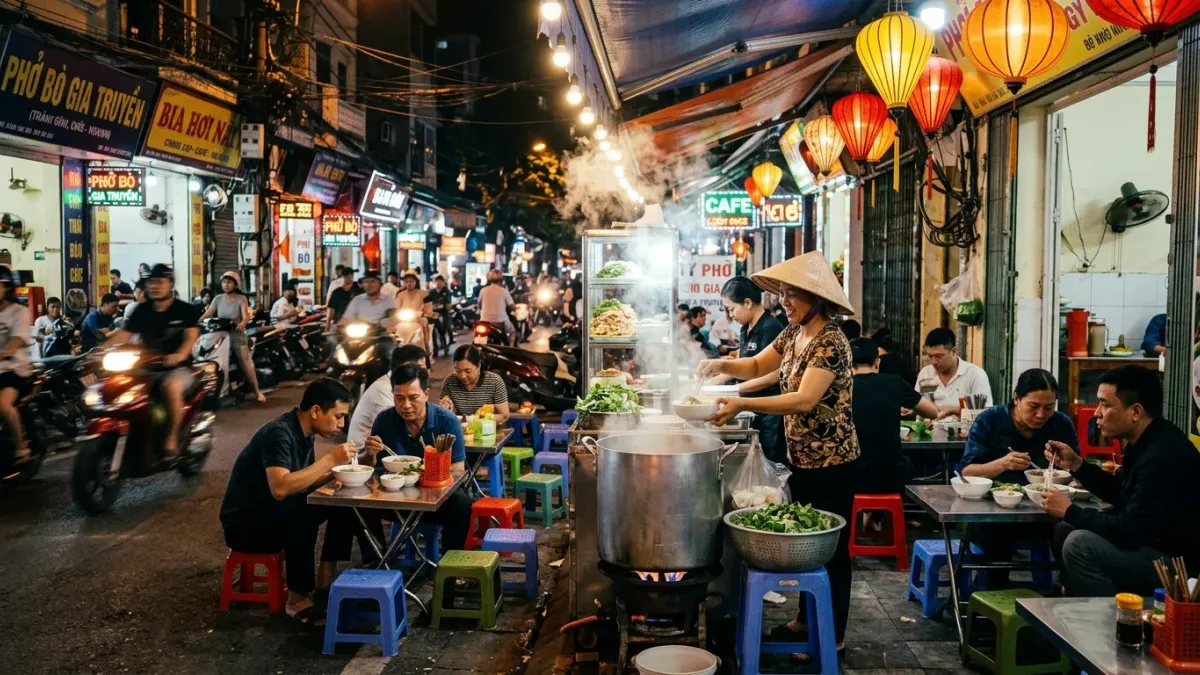
Forget Yelp or Google Maps for a moment – the best guide is your eyes. Look for stalls that are bustling with locals, especially during peak meal times (early morning for breakfast, noon for lunch, 6-8 PM for dinner). A constant turnover of customers usually means fresh ingredients and a tried-and-true recipe. Don't be afraid of the small plastic stools and makeshift tables; these are often signs you've found an authentic gem. If a place looks too shiny or completely devoid of Vietnamese customers, it might be a tourist trap with inflated prices and less authentic flavors.
I remember my first time in Ho Chi Minh City, overwhelmed by the sheer number of street food vendors. I saw a tiny old lady expertly flipping bánh xèo, her stall bustling with locals on those miniature plastic stools. I pointed, smiled, and ended up having one of the best meals of my life, even though we didn't share a single word of common language. That's the magic of it – sometimes, the best experiences come from simply observing and being brave enough to try.
Hygiene & Safety Tips: Eat Smart, Not Scared
While street food is generally safe, a few precautions can save you from a "traveler's tummy." First, eat where the food is cooked fresh and hot. Steaming soups, sizzling stir-fries, and freshly grilled meats are usually fine. Avoid food that's been sitting out for a long time, especially in the heat. Second, always opt for bottled water. Tap water is not safe for drinking. Many vendors will offer you free iced tea (Trà Đá), but if you're concerned about the ice, politely decline or stick to bottled drinks. Third, carry hand sanitizer. You'll be using your hands for eating or picking up chopsticks, and hygiene is paramount. Lastly, while delicious, be a bit wary of pre-cut fruit that might have been washed in tap water or exposed to flies for too long. If you want fruit, buy it whole and peel it yourself.
Cultural Etiquette: Be a Respectful Diner
Vietnamese culture is warm and welcoming, and a little respect goes a long way. Use chopsticks with care; don't stick them upright in your rice bowl (it resembles incense at a funeral) or point them at people. It's common to slurp your noodles – it's a sign of enjoyment! When you finish, you can leave a small amount of food in your bowl as a gesture that you've had enough. A simple "Cảm ơn" (pronounced "gahm un," meaning thank you) after your meal will always be appreciated. Remember, you're a guest in their country, so embrace their customs.
What to AVOID (or at least approach with caution)
While the vast majority of street food experiences will be positive, it's wise to know what to watch out for. My goal for you, as a Destination Wanderer, is to have an amazing time without any unnecessary hiccups.
Questionable Ingredients and Practices
As mentioned, be cautious of food that isn't piping hot or cooked to order. This includes salads with questionable washing, or meat that looks like it's been sitting out for hours. To be fair, most vendors are diligent about freshness, but it's always good to observe. Also, be mindful of places that try to entice you with overly flashy signs in English but have no local customers – these are often signs of inflated prices and a tourist-centric approach rather than genuine local flavor. Stick to where the locals are eating, and you'll usually be in safe hands.
Tap Water and Ice
This cannot be stressed enough: do not drink tap water in Vietnam. Stick to bottled water. While many establishments use purified ice, if you have a sensitive stomach or are particularly worried, it's always safer to avoid drinks with ice. My personal experience has been that most reputable places use safe ice, but if you're at a very rural or less-established stall, it's a judgment call. Bringing your own reusable water bottle and refilling it at your hotel or guesthouse is also a great sustainable travel practice.
Your Vietnamese Food Adventure Awaits!
Exploring Vietnamese street food is more than just eating; it's an immersive cultural experience. It’s about connecting with locals, discovering new flavors, and understanding the rhythm of daily life. From the savory comfort of phở to the refreshing kick of cà phê sữa đá, every bite tells a story. So, pack your bags, bring an adventurous spirit, and prepare to have your taste buds blown away. Don't just visit Vietnam; taste it. Trust me, it's an adventure you won't soon forget, and it's easily one of the most rewarding parts of traveling through this incredible country.