



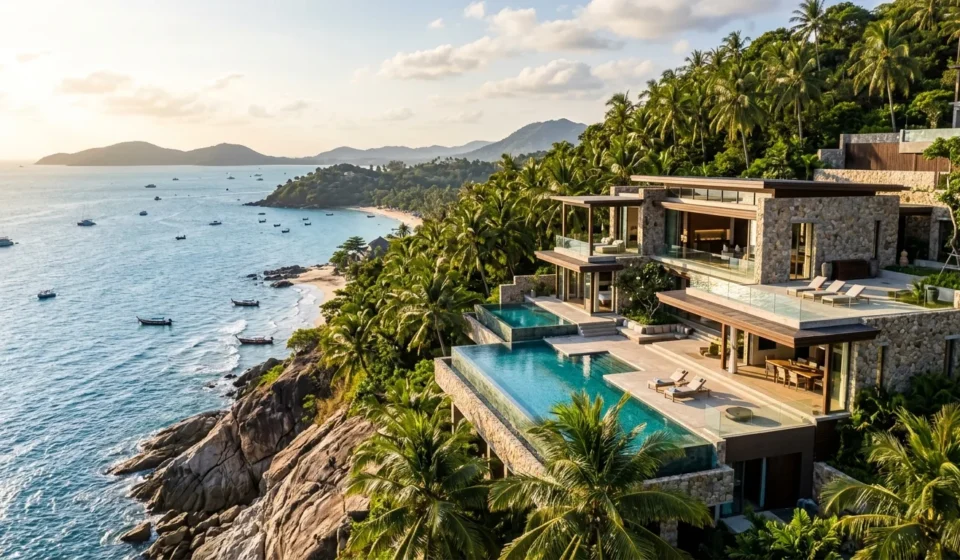

Thai Island Hopping: Samui, Koh Chang, or Phi Phi – Which Is Your Vibe?
Ah, Thailand. The land of smiles, incredible food, and islands that haunt your daydreams long after you’ve left. But with so many stunning choices, how do you pick just one, or even three, for an island-hopping adventure? It’s a question I’ve wrestled with many times, from my first wide-eyed backpacking trip to more recent explorations with my partner. Today, we’re diving deep into three distinct island experiences: the polished charm of Koh Samui, the rugged beauty of Koh Chang, and the iconic, often buzzing, Phi Phi Islands.
Table Of Content
- Thai Island Hopping: Samui, Koh Chang, or Phi Phi – Which Is Your Vibe?
- Koh Samui: The Polished Paradise (with a Secret Garden)
- Koh Chang: Thailand’s Jungle Heart (if you can handle the roads)
- Phi Phi Islands: Postcard Perfect, Postcard Crowded
- So, Which Island Calls Your Name?
- A Final Wanderer’s Thought
Forget generic “top 10” lists. We’re going to talk real budgets, real vibes, and exactly what to expect so you can choose the island that truly calls to your wanderlust.
Koh Samui: The Polished Paradise (with a Secret Garden)
Let’s start with Samui, an island that’s been on the tourist radar for decades, and for good reason. It’s got an international airport, infrastructure that makes travel a breeze, and a spectrum of experiences from luxury resorts to budget-friendly guesthouses. It’s a fantastic choice for families, couples, or anyone who appreciates a certain level of comfort and convenience.
- Vibe: Established, vibrant, and diverse. You can find buzzing party spots like Chaweng Beach, serene stretches on the south coast, or family-friendly resorts.
- Best Time to Visit: February to September. Unlike the Andaman coast, Samui often enjoys drier weather during Europe’s summer months, making it a great alternative. Expect warm, sunny days.
- Realistic Daily Budget: You can range from $50 USD for a budget traveler (think basic guesthouse, street food, scooter rental) to $150+ USD for mid-range comfort (nicer resort, restaurant meals, some tours). A basic fan room might be $25, while a decent air-conditioned bungalow could be $50-70. Street food is typically $3-5 a meal.
- Recommended Stay: 4-7 days. It gives you time to relax, explore different beaches, and maybe do a day trip to Ang Thong Marine Park.
- Transportation: Fly directly into Samui (USM) from Bangkok or other regional hubs. Alternatively, fly to Surat Thani or Chumphon and take a ferry (cheaper, but takes longer). On the island, rent a scooter ($5-8/day), hop on a songthaew (shared pick-up truck taxi, negotiate fares), or use ride-hailing apps like Grab.
- Hidden Gem: The Secret Buddha Garden (also known as Tarnim Magic Garden). Tucked away in the hills, this whimsical, moss-covered sculpture garden feels like stumbling into a forgotten dream. It’s best reached by scooter or a hired driver. The views on the way up are stunning.
- Safety & Culture: Standard precautions apply. Always wear a helmet on a scooter. Respect local customs; cover your shoulders and knees when visiting temples.
Koh Chang: Thailand’s Jungle Heart (if you can handle the roads)
If your idea of paradise involves lush rainforest, roaring waterfalls, and a slightly rougher edge, then Koh Chang might be your island. It’s Thailand’s second-largest island but feels far less developed than Samui or Phuket, offering a more rustic, adventurous escape. It’s perfect for nature lovers and those who prefer a laid-back atmosphere over glitz.
- Vibe: Adventurous, laid-back, and natural. Think jungle treks, quieter beaches, and a thriving backpacker scene that hasn’t quite gone mainstream.
- Best Time to Visit: November to February. This is the dry, cooler season, ideal for hiking and beach activities.
- Realistic Daily Budget: Generally more affordable. Expect $35-70 USD per day. Guesthouses can be found for $20-40, and local restaurants offer delicious meals for $4-8. Activities like waterfall visits are cheap or free, but boat tours add up.
- Recommended Stay: 5-8 days. You’ll want time to explore the waterfalls, trek the jungle, and discover different bays.
- Transportation: Fly to Trat (TDX) then take a short taxi/songthaew to the ferry terminal. Ferries run frequently. From Bangkok, direct buses are also available. On the island, renting a scooter is popular, but be warned: the roads are incredibly steep and winding, especially on the east coast. Take extreme caution! Songthaews are also readily available.
- Hidden Gem: Wai Chaek Beach. Located on the southern tip, it’s a bit of a trek to get there—either a long bumpy scooter ride down a dirt track or a short longtail boat trip. But the reward? A truly untouched crescent of sand with only a few rustic bungalows. GPS coordinates are roughly 11.9708° N, 102.3920° E, but ask locals for the best route.
- Safety & Culture: The steep roads are the biggest safety concern for scooter riders. Always confirm prices before getting into a songthaew.
Phi Phi Islands: Postcard Perfect, Postcard Crowded
The Phi Phi Islands, particularly Phi Phi Don, are iconic for a reason: towering limestone karsts, emerald waters, and pristine beaches like Maya Bay (currently subject to strict visitor regulations to aid recovery). It’s a visual masterpiece, but its fame means it often comes with crowds, especially in the main Tonsai Village area. This is a magnet for younger travelers and party-seekers, but also offers incredible diving and snorkeling.
- Vibe: Stunningly beautiful, often busy, and energetic. The main village buzzes with activity, music, and social gatherings. Step away, and you find tranquility.
- Best Time to Visit: November to May. This is the dry season, offering the best weather for island hopping and water activities.
- Realistic Daily Budget: Can be surprisingly pricey for what you get. Expect $60-120 USD per day. Accommodation often feels overpriced for its quality ($50-100+ for a basic guesthouse), and food can be slightly more expensive than on other islands ($5-10 per meal). Boat tours are a major expense.
- Recommended Stay: 2-4 days. You can experience the highlights and enjoy the nightlife without feeling overwhelmed. If you’re a keen diver, you might extend it.
- Transportation: Ferries and speedboats from Phuket or Krabi are the primary access points. There are no cars on Phi Phi Don; everything is walkable or accessible by longtail boat.
- Hidden Gem: While Maya Bay gets all the fame (and the crowds), try an early morning longtail boat trip to Loh Lana Bay on the northern side of Phi Phi Don. It’s often much quieter, especially before 9 AM, with beautiful snorkeling right off the beach. Alternatively, hike up to the Phi Phi Viewpoint for sunset – it’s a workout, but the panoramic reward is worth every step.
- Safety & Culture: Watch your belongings in crowded areas. Be mindful of marine life during snorkeling and diving.
So, Which Island Calls Your Name?
Choosing your island isn’t about finding the “best” one, but the “best for you.”
- For the Comfort Seeker & Family Traveler: Koh Samui wins. Its easy access, varied amenities, and established tourism make for a smooth, enjoyable trip.
- For the Adventurous Nature Lover & Budget Explorer: Koh Chang is your pick. Embrace the jungle, waterfalls, and less polished charm. Just be cautious on those roads!
- For the Social Butterfly & Stunning Scenery Lover (who doesn’t mind crowds): Phi Phi Islands deliver unparalleled views and a lively atmosphere. Go for the photos, stay for the party, but escape to quieter bays when you need a break.
A Final Wanderer’s Thought
Each of these islands offers a unique slice of Thailand, from the well-trodden paths to the hidden corners that still retain their magic. I’ve eaten some of the best curries from a street cart in Samui, navigated precarious mountain roads on Koh Chang, and watched a million stars from a longtail boat off Phi Phi. The real adventure often lies just beyond the main tourist drag. What will you discover when you venture out?