




Introduction to Overlanding
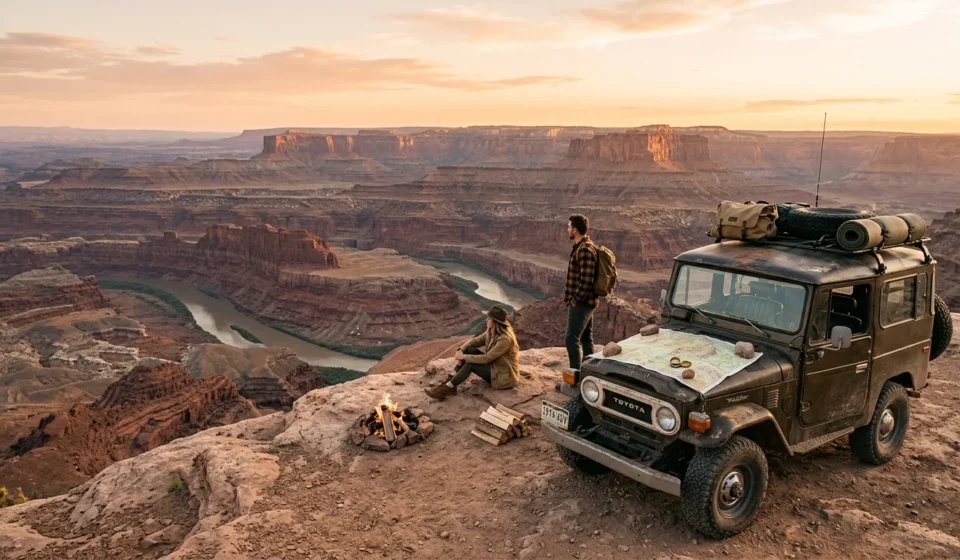
Imagine this situation: you’re driving down a dusty road, surrounded by breathtaking landscapes, with no particular destination in mind. This is the essence of overlanding, a type of adventure travel that involves exploring remote areas in a self-reliant vehicle. But what would you do in this situation if you’re on a tight budget? Honestly, with some planning and research, you can have an epic overlanding experience without breaking the bank.
Table Of Content
In my opinion, overlanding is all about freedom and spontaneity. It’s about taking the road less traveled and discovering hidden gems that most tourists never get to see. Based on my experience, I believe that with the right mindset and skills, anyone can become an overlanding expert, even on a shoestring budget.
So, what is overlanding exactly? It’s a type of travel that involves driving a vehicle, usually a 4×4, through remote areas, often on unpaved roads. It requires a lot of planning, research, and preparation, but the rewards are well worth it. From the stunning landscapes to the unique cultural experiences, overlanding has something to offer for every kind of traveler.
Planning Your Overlanding Trip
Choosing Your Vehicle
Let’s start with the basics: choosing the right vehicle for your overlanding trip. You don’t need a brand-new, high-tech 4×4 to go overlanding. In fact, many experienced overlanders prefer older, more rugged vehicles that can withstand the rough conditions of off-the-beaten-path travel. For example, a vintage Land Rover or a Toyota Land Cruiser can be an excellent choice for overlanding, as long as you’re willing to put in the time and effort to maintain and repair it.
When choosing a vehicle, consider factors such as fuel efficiency, reliability, and ground clearance. You’ll also want to think about the size of your vehicle, as smaller vehicles can be more maneuverable on tight roads and in crowded cities. Honestly, the most important thing is to choose a vehicle that you’re comfortable with and that meets your needs and budget.
Here are some tips for choosing the right vehicle for your overlanding trip:
- Consider the terrain and climate you’ll be driving in
- Think about the size and weight of your vehicle
- Research the reliability and maintenance requirements of different vehicles
- Test drive different vehicles to find the one that’s right for you
Preparing for Your Trip
Packing and Budgeting
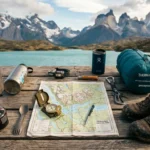
To be fair, preparing for an overlanding trip can be overwhelming, especially when it comes to packing and budgeting. But with a little practice and patience, you can learn to pack light and stay within your budget. Let me add something here: it’s all about prioritizing what’s essential and what’s not. For example, you may not need to bring a lot of clothes, but you’ll definitely want to pack a good first-aid kit and a reliable map.
When it comes to budgeting, it’s all about being realistic and flexible. You’ll want to research the cost of fuel, accommodation, and food in the areas you’ll be visiting, and plan accordingly. Honestly, it’s always better to overestimate your expenses than to underestimate them. You can use online resources such as travel forums and blogs to get an idea of what to expect.
Here are some tips for packing and budgeting for your overlanding trip:
- Pack only the essentials, such as a first-aid kit, a map, and a spare tire
- Research the cost of fuel, accommodation, and food in the areas you’ll be visiting
- Plan for contingencies, such as breakdowns and medical emergencies
- Consider budgeting for activities and experiences, such as hiking and cultural tours
Staying Safe and Responsible
Cultural Etiquette and Environmental Awareness
Now let’s talk about something that’s really important: cultural etiquette and environmental awareness. When you’re overlanding, you’ll be visiting remote areas and interacting with local communities. It’s essential to be respectful of their customs and traditions, as well as the environment. For example, you may want to learn a few basic phrases in the local language, such as “hello” and “thank you,” and avoid littering or disrupting the natural habitat.
In my opinion, being a responsible traveler is all about being mindful of your impact on the environment and local communities. It’s about taking the time to learn about the local culture and customs, and being respectful of them. Based on my experience, I believe that this is one of the most rewarding aspects of overlanding: the opportunity to connect with people and places in a meaningful way.
Here are some tips for staying safe and responsible on your overlanding trip:
- Research the local culture and customs before you arrive
- Be respectful of the environment and avoid littering or disrupting the natural habitat
- Learn a few basic phrases in the local language
- Consider supporting local communities by buying local products and services
Conclusion and Next Steps
So far we’ve covered the basics of overlanding, from planning and preparing to staying safe and responsible. Now it’s time to put your knowledge into practice and start planning your own overlanding adventure. Honestly, it’s not as daunting as it may seem, and with the right mindset and skills, you can have an epic overlanding experience on a shoestring budget.
Remember to stay flexible, be open-minded, and enjoy the journey. Don’t be afraid to take risks and try new things, but also be mindful of your safety and the environment. In my opinion, overlanding is all about freedom and spontaneity, and with the right attitude, you can have the adventure of a lifetime.
So what are you waiting for? Start planning your overlanding trip today, and get ready for the adventure of a lifetime. Happy travels!