




Introduction to hiking the Swiss Alps
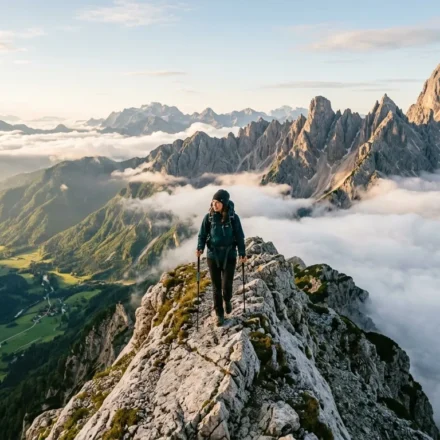
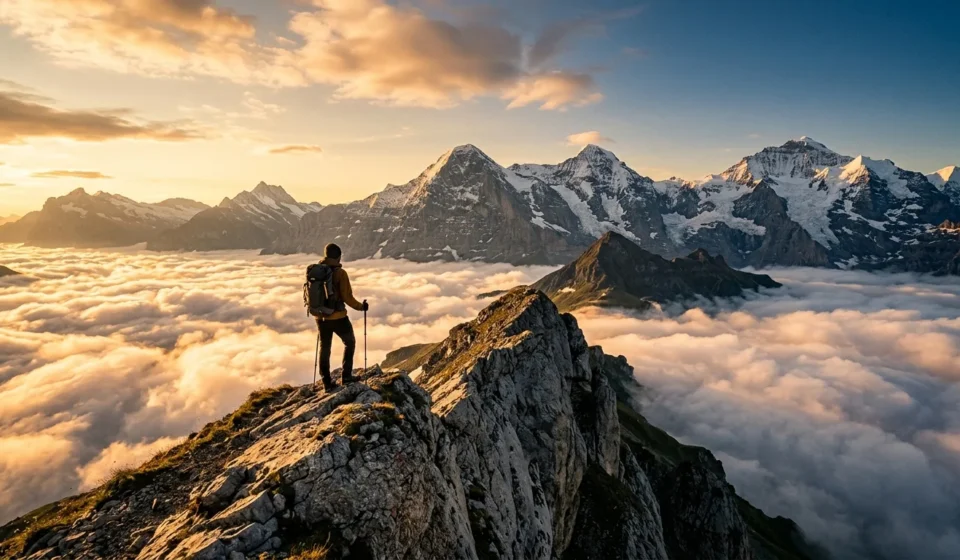
The Swiss Alps offer some of the most breathtaking and challenging hiking trails in the world. With its picturesque villages, towering mountain peaks, and serene lakes, the Swiss Alps are a paradise for hikers and nature lovers. As a seasoned hiker, I can attest that the Swiss Alps have something to offer for every level of experience and fitness. From easy day hikes to multi-day treks, the Swiss Alps are a destination that will leave you in awe of nature’s beauty.
Table Of Content
For example, imagine this situation: you’re standing at the foot of the Eiger, one of the most iconic mountains in the Swiss Alps, with a trail that winds its way up to the summit. The air is crisp, the sun is shining, and the sound of cowbells echoes through the valley. What would you do in this situation? Would you take on the challenge of hiking to the summit, or would you opt for a more leisurely hike through the surrounding hills?
In my opinion, the Swiss Alps are a must-visit destination for any serious hiker. With its well-marked trails, comfortable mountain huts, and stunning scenery, the Swiss Alps offer an unforgettable hiking experience.
Planning Your Hike
Best Time to Visit
The best time to visit the Swiss Alps depends on your preferences and the type of hike you’re planning. The summer months (June to September) offer warm weather and long days, making it ideal for high-altitude hikes. However, this is also the peak tourist season, and the trails can be crowded. The shoulder season (April to May and September to October) offers more comfortable temperatures and fewer crowds, making it a great time for lower-altitude hikes.
When planning your hike, it’s essential to consider the weather forecast and trail conditions. The Swiss Alps can be unpredictable, with sudden changes in weather and trail closures due to snow or maintenance. Be sure to check the local weather forecast and trail conditions before heading out.
Here are some tips for planning your hike:
- Check the weather forecast and trail conditions before heading out
- Choose a trail that suits your level of experience and fitness
- Bring appropriate gear, including hiking boots, layers, and a map
- Let someone know your itinerary and expected return time
What to Expect on the Trail
Trail Conditions and Difficulty
The trails in the Swiss Alps vary in difficulty, from easy day hikes to challenging multi-day treks. The trails are generally well-marked and well-maintained, with signs and maps available at regular intervals. However, the terrain can be rugged, with steep inclines, rocky surfaces, and uneven paths.
One of the unique features of hiking in the Swiss Alps is the use of via ferrata, or iron paths. These are protected paths that use iron rungs, cables, and ladders to navigate steep and exposed terrain. While via ferrata can be intimidating, they offer breathtaking views and a sense of adventure.
To be fair, hiking in the Swiss Alps can be challenging, especially for those who are not accustomed to high-altitude hiking. The air is thinner, and the trails can be steep and uneven. However, with proper preparation, training, and gear, anyone can enjoy the beauty of the Swiss Alps.
Safety and Etiquette
Safety Practices
Safety is a top priority when hiking in the Swiss Alps. It’s essential to be aware of your surroundings, including the weather, trail conditions, and potential hazards such as avalanches, rockfall, and wildlife. Always carry a first aid kit, a map, and a means of communication, such as a mobile phone or two-way radio.
Here are some additional safety tips:
- Stay on marked trails and avoid taking unnecessary risks
- Be mindful of your physical limitations and don’t push yourself too hard
- Bring plenty of water, food, and snacks to keep your energy levels up
- Respect the local environment and wildlife, and avoid littering or disturbing sensitive habitats
Honestly, safety is a shared responsibility between hikers, trail maintainers, and local authorities. By being aware of the potential hazards and taking necessary precautions, we can all enjoy the beauty of the Swiss Alps while minimizing our impact on the environment.
Conclusion and Final Tips
So far, we’ve covered the basics of hiking in the Swiss Alps, from planning your hike to staying safe on the trail. Now, let’s get to the really critical point: making the most of your experience. Whether you’re a seasoned hiker or just starting out, the Swiss Alps have something to offer everyone.
Let me add something here: the Swiss Alps are not just about the hiking; they’re also about the culture, history, and people. Take the time to explore the local villages, try the local cuisine, and learn about the history and traditions of the region.
In conclusion, hiking in the Swiss Alps is an unforgettable experience that offers breathtaking scenery, challenging trails, and a sense of adventure. With proper planning, preparation, and respect for the environment, anyone can enjoy the beauty of the Swiss Alps. So why not start planning your trip today?