




The Call of the Uncharted: Why Hidden Gems in Africa Matter
Tired of the same old safari brochures, the well-trodden paths, and the endless queues at popular tourist spots? Africa, a continent of unparalleled diversity and raw beauty, holds far more than just its iconic landmarks. For those of us who crave authentic connections and genuinely unique experiences, the real magic of Africa lies in its hidden gems – the places not yet plastered across Instagram feeds, where local life thrives undisturbed, and every encounter feels like a discovery.
Table Of Content
- The Call of the Uncharted: Why Hidden Gems in Africa Matter
- West Africa’s Rhythmic Heartbeat & Ancient Secrets
- Ghana: Beyond Accra’s Bustle
- Togo & Benin: Voodoo Culture and Coastal Charm
- East Africa’s Untamed Beauty, Beyond the Serengeti
- Ethiopia: History, Spirituality & Lunar Landscapes
- Malawi: The Warm Heart of Africa & Freshwater Wonders
- Responsible Exploration: Navigating Africa’s Hidden Gems
- Practical Tips for Off-Grid Africa
- Best Time to Visit Africa’s Hidden Gems
- Your Adventure Awaits: Embrace the Unknown
- Frequently Asked Questions
- What is the main idea behind exploring Africa's hidden gems?
- What can be expected when visiting the Nzulezo Stilt Village in Ghana?
- What is the significance of West Africa in terms of culture and history?
- What activities can be done in Mole National Park in Ghana?
- What are some essential tips for visiting Africa's hidden gems?
Moving beyond the well-known allows you to experience Africa in its purest form. You’ll engage directly with local communities, witness traditions untouched by mass tourism, and contribute to economies that truly benefit from your visit. This isn’t just about finding fewer crowds; it’s about embracing slow travel, a philosophy where you linger longer, delve deeper, and connect meaningfully with your surroundings, rather than rushing through a checklist. It’s about letting the destination unfold around you, organically and authentically.
But what would you do in a situation where the road isn’t paved, or the guesthouse doesn’t have Wi-Fi? Are you ready for that kind of adventure? Uncovering Africa’s hidden gems often means stepping outside your comfort zone, but trust me, the rewards are immeasurable. As an experienced wanderer who’s spent years traversing this incredible continent, I believe these are the experiences that truly transform you.
West Africa’s Rhythmic Heartbeat & Ancient Secrets
West Africa, often overlooked for its eastern and southern counterparts, is a vibrant tapestry of rich history, unique cultures, and incredibly welcoming people. It offers a profound journey into the continent’s soul, far from the typical tourist routes.
Ghana: Beyond Accra’s Bustle
Ghana is known for its hospitality, but most visitors stick to the coast. Venture inland and west, and you’ll find true marvels.
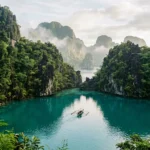
- Nzulezo Stilt Village: Imagine an entire village built on stilts over the tranquil waters of Lake Amansuri. This UNESCO World Heritage site offers a glimpse into a unique way of life, where the community lives entirely on the water. It’s an incredible example of human adaptation and resilience.
- Best Time to Visit: The dry season, from November to March, offers the most comfortable weather for boat trips and exploration.
- Recommended Stay Duration: Dedicate 2-3 days to reach the village, explore, and perhaps stay overnight in a local guesthouse in nearby Beyin. The journey itself is part of the adventure.
- Realistic Daily Budget: Expect around $40-60 per day, covering local transport (tro-tros), boat fees, simple meals, and basic accommodation. For example, a family-run guesthouse in Beyin might cost $20-30/night.
- Transportation: Take a tro-tro (a shared minibus, common local transport) from Takoradi to Beyin (approx. $5-10). From Beyin, you’ll hire a local dugout canoe, or piroque, for the final leg to Nzulezo ($15-20 for the return trip).
- Cultural Etiquette: Always ask permission before taking photos, especially of people. Dress modestly, particularly when visiting communities, to show respect. This is a living village, not a museum.
- Approximate Location: Near Beyin, Western Region, Ghana (approx. 5.000° N, 2.650° W).
- Mole National Park (for Walking Safaris): While Ghana isn’t famous for safaris, Mole offers a unique opportunity for walking safaris, allowing you to get incredibly close to elephants, baboons, and antelopes on foot, accompanied by an armed ranger.
- Best Time to Visit: The dry season (January to March) is ideal, as animals congregate around water sources, making them easier to spot.
- Realistic Daily Budget: Budget $50-80 per day for park fees, guide services, and accommodation at the Mole Hotel or basic chalets within the park ($30-50/night).
Togo & Benin: Voodoo Culture and Coastal Charm
These two small nations are the heartland of Voodoo, offering profound insights into West African spirituality and history.
- Ganvié, Benin (The Venice of Africa): Another remarkable stilt village, Ganvié is home to over 20,000 people living entirely on Lake Nokoué. Everything happens on the water – markets, schools, homes. It’s a captivating place where life flows with the rhythm of the lake.
- Best Time to Visit: Generally good year-round, but avoid the heaviest rainy season (April-July) to ensure smoother boat travel.
- Recommended Stay Duration: 1-2 days is sufficient to explore the village by pirogue and absorb the atmosphere.
- Realistic Daily Budget: $30-50 per day, including the essential pirogue rental from Abomey-Calavi (approx. $15-20), local food, and basic guesthouse accommodations if you choose to stay nearby.
- Transportation: Take a shared taxi or zemidjan (motorbike taxi) to Abomey-Calavi from Cotonou, then hire a pirogue to Ganvié.
- Cultural Etiquette: Respect local traditions, especially regarding Voodoo practices. Always be mindful and ask before photographing.
East Africa’s Untamed Beauty, Beyond the Serengeti
East Africa is renowned for its wildlife, but beyond the well-trodden safari circuits, there are landscapes and cultures that defy imagination, offering truly unparalleled adventure.
Ethiopia: History, Spirituality & Lunar Landscapes
Ethiopia is an ancient land, often called the “cradle of humanity,” with a unique calendar, alphabet, and Orthodox Christian traditions.
- Danakil Depression: This is perhaps the most extreme and surreal landscape on Earth – a place of active volcanoes, bubbling sulfuric springs, vast salt flats, and temperatures soaring well above 50°C. It feels like stepping onto another planet.
- Best Time to Visit: November to February offers slightly “cooler” temperatures, making it bearable, though still incredibly hot.
- Recommended Stay Duration: A 3-4 day organized tour is essential. Independent travel here is strictly forbidden due to the extreme conditions and remote location.
- Realistic Daily Budget: Budget around $500-800 for a multi-day, all-inclusive tour (this covers guides, security, transport, food, and basic overnight camps). This isn’t a budget destination, but the experience is priceless.
- Safety: Always go with a reputable tour operator. This is a challenging environment requiring expert guidance and logistical support.
- Harar Jugol (Walled City of Harar): A UNESCO World Heritage site, Harar is a labyrinthine fortified city, considered the fourth holiest city in Islam. Its narrow alleyways reveal vibrant markets, traditional homes, and the unique tradition of feeding wild hyenas outside the city walls each night.
- Recommended Stay Duration: 1-2 days allows you to explore the city and experience the hyena feeding.
- Realistic Daily Budget: Around $40-60 per day, including local guesthouse accommodation ($20-30/night) and food.
Malawi: The Warm Heart of Africa & Freshwater Wonders
Malawi truly lives up to its moniker, offering warm welcomes and stunning natural beauty centered around its colossal lake.
- Lake Malawi National Park: This freshwater inland sea is a UNESCO site, famous for its cichlid fish, more diverse than any other lake in the world. It’s a paradise for snorkeling, diving, and kayaking, surrounded by golden beaches and sleepy fishing villages.
- Best Time to Visit: The dry season (May to October) offers clear skies and pleasant temperatures, perfect for water activities.
- Recommended Stay Duration: 3-5 days allows you to relax, enjoy water sports, and explore local life.
- Realistic Daily Budget: $50-100 per day, depending on your choice of accommodation. For instance, Mgoza Lodge in Cape Maclear offers comfortable stays right on the beach for around $40/night, plus activities like snorkeling trips for $10-20.
- Transportation: Local buses and shared taxis connect major towns to popular lake destinations like Cape Maclear. For the truly adventurous, you can even experience overlanding – an extended self-reliant journey over land – using your own vehicle or an organized tour, which allows you to explore the lake’s more remote shores.
Responsible Exploration: Navigating Africa’s Hidden Gems
Venturing off the beaten path requires a bit more preparation and a strong commitment to responsible travel. Here are some critical insights based on my years of exploring.
Practical Tips for Off-Grid Africa
- Packing Essentials: Think lightweight, versatile, and quick-drying clothes. A universal adapter, a robust power bank, a basic first-aid kit, and a portable water filter are non-negotiable. Don’t forget sturdy walking shoes!
- Money Matters: Cash is king in many remote areas. Always carry a good supply of local currency in small denominations. ATMs are scarce, and credit cards are rarely accepted outside major cities or high-end establishments.
- Safety Practices: Always maintain situational awareness. Trust your gut. Inform someone of your itinerary, especially when venturing into remote areas. Travel insurance is not an option; it’s a necessity. Engage local guides; they offer invaluable insight and ensure your safety.
- Cultural Etiquette: Learn a few basic phrases in the local language – a simple “hello” or “thank you” goes a long way. Dress respectfully, especially when visiting religious sites or traditional villages. Always ask permission before photographing people. Your presence is a privilege, not a right.
- Sustainable Travel: Minimize your waste, conserve water, and respect wildlife and natural environments. Leave No Trace of your visit. Support local businesses and eco-tourism initiatives directly. For example, imagine you’re deep in a small village market, and you see an amazing handicraft. Instead of haggling aggressively, consider what that extra dollar means to the artisan compared to you. Your choices have a direct impact.
Best Time to Visit Africa’s Hidden Gems
For most of these destinations, traveling during the shoulder season (the periods just before or after the peak tourist season) or the dry season is ideal. This usually means November-March for West Africa and May-October for East Africa, though specific regions like the Danakil Depression have their own unique windows. You’ll avoid the harshest weather, find better prices, and experience fewer crowds – the sweet spot for true exploration.
Your Adventure Awaits: Embrace the Unknown
Africa’s hidden gems offer more than just a trip; they promise an adventure that will challenge you, humble you, and ultimately enrich your understanding of the world. From the stilt villages of West Africa to the otherworldly landscapes of Ethiopia and the serene shores of Lake Malawi, these destinations beckon the curious and the brave. They require a willingness to embrace the unexpected and a commitment to responsible travel, but the memories you’ll forge and the connections you’ll make will be profoundly rewarding. So, pack your bags, open your mind, and prepare to uncover the real heart of Africa – a continent waiting to surprise you at every turn. Start planning your unique journey with Destination Wanderer today, and let the adventure begin.
Frequently Asked Questions
What is the main idea behind exploring Africa's hidden gems?
The main idea is to experience Africa in its purest form by moving beyond well-known tourist spots and embracing slow travel, allowing for authentic connections and unique experiences with local communities and untouched traditions. This approach contributes to local economies and offers a more meaningful and transformative experience for travelers. By venturing off the beaten path, travelers can discover the real magic of Africa and create lasting memories.
What can be expected when visiting the Nzulezo Stilt Village in Ghana?
The Nzulezo Stilt Village is a UNESCO World Heritage site offering a glimpse into a unique way of life, where the community lives entirely on the water. Visitors can expect to see an entire village built on stilts over Lake Amansuri, showcasing human adaptation and resilience. The best time to visit is during the dry season, from November to March, and a realistic daily budget is around $40-60 per day, covering local transport, boat fees, meals, and basic accommodation.
What is the significance of West Africa in terms of culture and history?
West Africa is a vibrant tapestry of rich history, unique cultures, and incredibly welcoming people, offering a profound journey into the continent's soul. It is home to a diverse array of traditions, including the heartland of Voodoo in Togo and Benin, and provides a unique opportunity to experience authentic African culture and history. The region is often overlooked by tourists, making it an ideal destination for those seeking an off-the-beaten-path adventure.
What activities can be done in Mole National Park in Ghana?
Mole National Park offers a unique opportunity for walking safaris, allowing visitors to get incredibly close to elephants, baboons, and antelopes on foot, accompanied by an armed ranger. The dry season, from January to March, is the best time to visit, as animals congregate around water sources, making them easier to spot. A realistic daily budget for visiting the park is around $50-80 per day, covering park fees, guide services, and accommodation.
What are some essential tips for visiting Africa's hidden gems?
When visiting Africa's hidden gems, it's essential to be prepared for stepping outside your comfort zone and embracing slow travel. This includes being respectful of local cultures and traditions, asking permission before taking photos, and dressing modestly. Additionally, travelers should be prepared for basic accommodation and transportation, and budget accordingly, with a realistic daily budget ranging from $40-80 per day, depending on the location and activities.