Disclosure: As an Amazon Associate, we earn from qualifying purchases.
Unlock Your Remote Work Adventure: Asia's Best Digital Nomad Destinations
Ever dreamt of trading your cubicle for a beachfront bungalow or a bustling city cafe, all while crushing your work goals? If you're nodding along, then welcome to the club! Asia has long been a siren call for remote workers, and honestly, it's not hard to see why. From its incredibly low cost of living to its vibrant cultures and delicious street food, the continent offers an irresistible blend of productivity and adventure. But with so many incredible countries, how do you choose the perfect spot to set up your temporary office?
As someone who's spent over a decade hopping between Asian cities with a laptop in tow, I've seen the digital nomad scene evolve firsthand. I've navigated visa runs, tasted every imaginable curry, and found those quiet corners perfect for deep work. This guide isn't just a list; it’s your roadmap to finding a destination that truly fits your work style, budget, and wanderlust. Let's dive into some of the continent's most beloved and emerging hotspots for remote work.
Why Asia is a Digital Nomad's Paradise
Before we pinpoint specific locations, let's briefly touch on what makes Asia such a magnet for remote workers. First off, there's the cost of living. Compared to Western countries, your money simply stretches further here, allowing you to enjoy a higher quality of life without breaking the bank. Think affordable accommodation, incredible food for a few dollars, and cheap local transport.
Then there's the culture. Each country offers a unique tapestry of traditions, festivals, and philosophies that are endlessly fascinating. And for those who love adventure, Asia is your playground – from trekking through ancient jungles to diving in crystal-clear waters. Crucially for us digital nomads, internet infrastructure has improved dramatically across many regions, with reliable Wi-Fi and co-working spaces becoming commonplace. What more could you ask for? But what exactly is a digital nomad, you might ask? Simply put, it's someone who leverages technology to work remotely from anywhere in the world, often while traveling. It's about freedom, flexibility, and experiencing new cultures without sacrificing your career.
The Tried and True Havens: Where Everyone Knows Your Name (or at least your Wi-Fi password)
These destinations have earned their stripes in the digital nomad community for good reason. They offer established infrastructure, thriving communities, and a proven track record for remote work success.
Chiang Mai, Thailand: The OG Nomad Hub
If you've ever heard of digital nomads, you've probably heard of Chiang Mai. This northern Thai city is legendary for its affordability, fantastic food, and a massive, welcoming expat community. It's still one of my top recommendations for first-time digital nomads or those looking to connect deeply with others.
Work Ergonomically Anywhere: Roost V3 Portable Laptop Stand

- Best Time to Visit: November to February (cool and dry, 20-30°C). Avoid March-May due to burning season haze.
- Realistic Daily Budget: $30-$45 USD. This covers a comfortable guesthouse ($20-30/night), delicious street food ($5-10/day), and local transport via Grab (Southeast Asia's Uber/Lyft equivalent) or scooter rental. For example, you can easily find a clean, air-conditioned room in the Nimman area for $25/night.
- Recommended Stay: 1-3 months. It takes time to truly settle in and explore.
- Transportation: Red songthaews (shared taxis), Grab motorbikes/cars, or renting a scooter (around $5-7/day).
- Hidden Gem: Skip the main Sunday Walking Street and instead explore the back alleys around Wat Phra Singh early in the morning. You'll find incredible local breakfast spots and artisans before the crowds arrive. Also, consider a cooking class at Thai Farm Cooking School for an immersive culinary experience away from the city center.
Ubud & Canggu, Bali, Indonesia: Island Life & Good Vibes
Bali offers two distinct, yet equally appealing, options. Ubud, nestled amidst lush rice paddies, is perfect for those seeking a more spiritual, wellness-focused vibe. Canggu, on the coast, is where you'll find surf, vibrant cafes, and a younger, more party-centric crowd. Both are undeniably beautiful and have excellent co-working facilities.
- Best Time to Visit: April to October (dry season, 25-30°C).
- Realistic Daily Budget: $40-$60 USD. Expect to pay a bit more for trendy cafes and accommodation. A nice guesthouse or private room in a villa can be $30-50/night. Meals range from $3 for local warungs to $10-15 for more upscale cafes.
- Recommended Stay: 1-3 months.
- Transportation: Scooters are king here (around $5-8/day). Gojek and Grab are also widely available for rides and food delivery.
- Hidden Gem: In Ubud, instead of the crowded Tegalalang Rice Terraces, find the lesser-known Jatiluwih Rice Terraces (GPS: -8.3659, 115.1102). It's a UNESCO World Heritage site and offers breathtaking, expansive views with fewer tourists. For Canggu, head slightly north to The Lungisan in Pererenan for a quiet beach day and sunset.
Hanoi & Ho Chi Minh City, Vietnam: Bustling Culture & Incredible Food
Vietnam's two major cities offer an immersive cultural experience with an incredibly low cost of living. Hanoi, the capital, is rich in history with a charming Old Quarter. Ho Chi Minh City (HCMC) is a more modern, bustling metropolis with a vibrant nightlife and rapidly growing tech scene.
- Best Time to Visit: For Hanoi: October-April (cooler, drier). For HCMC: December-April (dry, less humid). Temperatures range from 20-30°C.
- Realistic Daily Budget: $25-$40 USD. Accommodation in a comfortable hotel in the Old Quarter of Hanoi or District 1 of HCMC can be $25-40/night. Street food is incredibly cheap ($2-5/meal), and local coffee is a must-try.
- Recommended Stay: 2 weeks to 2 months per city.
- Transportation: Motorbike taxis (xe ôm), Grab, and local buses. Walking is best in Hanoi's Old Quarter.
- Hidden Gem: In Hanoi, escape the tourist traps and explore the local markets like Dong Xuan Market (GPS: 21.0371, 105.8488) for an authentic glimpse of daily life. In HCMC, find the secret Cafe Apartments at 42 Nguyen Hue for a unique vertical cafe experience.
Emerging Gems & Underrated Spots: My Personal Picks for the Adventurous Nomad
Ready to venture a little further off the well-trodden path? These destinations offer a fantastic quality of life, often with a slightly different vibe or a smaller, but growing, digital nomad scene.
Da Nang, Vietnam: Coastal Comfort & Modern Infrastructure
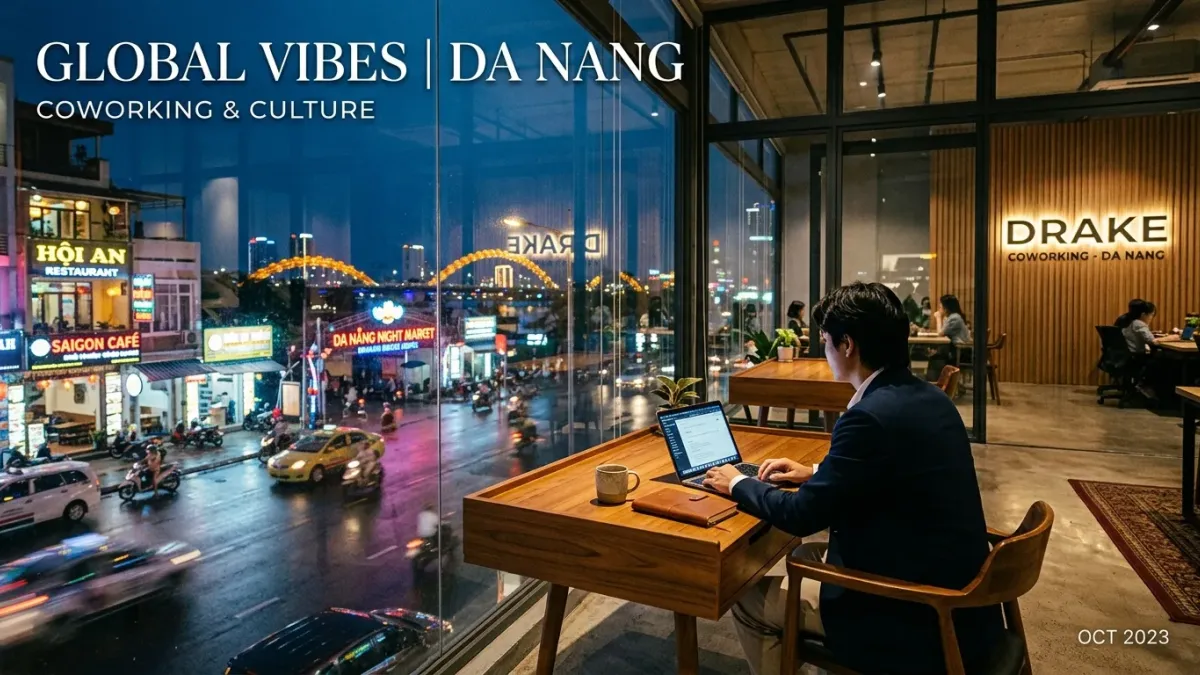
Often overshadowed by Hanoi and HCMC, Da Nang is a coastal city that offers a fantastic balance of city amenities, beautiful beaches, and a relaxed pace of life. It’s cleaner, less chaotic, and boasts excellent internet and co-working spaces.
One Charger for All Your Devices: Anker 65W GaN Fast Charger

- Best Time to Visit: February to May (dry, warm, 25-35°C).
- Realistic Daily Budget: $35-$50 USD. You can find modern apartments or boutique hotels near My Khe beach for $30-50/night. Food is delicious and affordable, especially local seafood.
- Recommended Stay: 1-2 months.
- Transportation: Grab, scooter rentals (around $6-8/day), and taxis.
- Hidden Gem: Take a day trip to the Marble Mountains (GPS: 16.0076, 108.2435) for stunning cave temples and panoramic views. For a peaceful co-working vibe, check out The Local Cafe, popular with expats.
George Town, Penang, Malaysia: A Foodie's Dream with Heritage Charm
George Town is a UNESCO World Heritage site known for its vibrant street art, colonial architecture, and most famously, its unparalleled food scene. It's a melting pot of Malay, Chinese, and Indian cultures, offering a unique experience for digital nomads who value culture and cuisine above all else.
- Best Time to Visit: December to February (dry, pleasant, 25-32°C).
- Realistic Daily Budget: $35-$55 USD. Boutique hotels in the heritage area can be $35-50/night. Food from hawker centers is incredibly cheap ($3-7/meal), and high-quality.
- Recommended Stay: 2 weeks to 1 month.
- Transportation: Rapid Penang buses are cheap and cover the city well. Grab is also widely used. Walking is best for exploring the heritage zone.
- Hidden Gem: Wander into the smaller clan jetties like Chew Jetty (GPS: 5.4143, 100.3377) in the early morning for quiet exploration before the crowds. Also, hunt down the lesser-known street art murals hidden in back alleys away from the main tourist trails.
Koh Lanta, Thailand: Slow Travel on a Tropical Island
For those who crave a slower pace, less urban sprawl, and the sound of waves while they work, Koh Lanta is an absolute gem. This island in southern Thailand offers a relaxed atmosphere, beautiful beaches, and a surprisingly good infrastructure for remote work, especially during shoulder season. It's perfect for a bit of slow travel.
- Best Time to Visit: November to April (dry, sunny, 28-32°C).
- Realistic Daily Budget: $40-$60 USD. Beachfront bungalows can be found for $25-45/night. Food at local restaurants is affordable ($5-10/meal), but slightly pricier than mainland street food.
- Recommended Stay: 2 weeks to 2 months.
- Transportation: Scooter rentals (essential, $6-10/day) or tuk-tuks.
- Hidden Gem: Head south to The Fat Pig Thai Food & Bar (GPS: 7.5029, 99.0305) on Long Beach for incredible food and a laid-back vibe, often frequented by locals and long-term expats. Also, explore the less-visited beaches further south like Ao Nui Beach for solitude.
Practicalities for Your Asian Remote Journey
So far, we've covered some fantastic destinations. Now, let's get to the really critical points – the nuts and bolts of making your remote work dream a reality in Asia.
Visas & Legalities
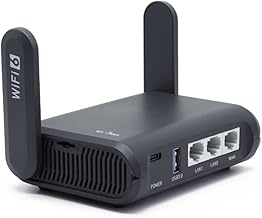
Secure Public Wi-Fi Globally: GL.iNet Slate AX Travel Router
This is paramount. Many Asian countries offer tourist visas that allow stays of 30-90 days, often extendable. However, working on a tourist visa is usually prohibited. Some countries, like Thailand and Malaysia, are starting to introduce specific digital nomad visas, but these are still evolving. Always check the latest visa requirements for your nationality and chosen destination well in advance. Don't risk it! A visa run (leaving the country and immediately re-entering to get a new visa stamp) might be an option for some, but it's not a sustainable long-term strategy.
Connectivity & Co-working
Internet access in these cities is generally excellent. Grab a local SIM card upon arrival (usually cheap and easy, around $10-20 for a month's data). Co-working spaces are abundant, especially in digital nomad hotspots like Chiang Mai, Bali, and Da Nang. These offer not just reliable internet but also a community and professional environment. Places like Punspace in Chiang Mai or Dojo Bali are industry standards.
Safety & Cultural Etiquette
Asia is generally very safe, but common sense prevails. Be aware of your surroundings, especially at night. Petty theft can occur. When it comes to culture, always be respectful. Dress modestly when visiting temples, always ask permission before taking photos of people, and learn a few basic phrases in the local language – a simple "hello" or "thank you" goes a long way. Removing your shoes before entering homes or temples is a must.
Sustainable Travel Practices
As remote workers, we have a responsibility to minimize our impact. Choose guesthouses and tour operators committed to sustainability. Reduce your plastic waste by carrying a reusable water bottle and coffee cup. Support local businesses and engage with the community respectfully. Let's leave these beautiful places better than we found them, right?
Your Next Adventure Awaits
Honestly, the hardest part of being a digital nomad in Asia isn't the work, it's choosing which incredible destination to explore next! Each city offers a unique flavor, a different pace, and countless opportunities for personal and professional growth. Whether you're chasing the vibrant community of Chiang Mai, the spiritual serenity of Ubud, or the culinary delights of George Town, Asia has a spot waiting for your laptop and your wanderlust.
So, what are you waiting for? Start researching those flights, dig into the visa requirements, and begin planning your ultimate remote work adventure. The world, and specifically the incredible continent of Asia, is calling your name. Happy travels and happy working!