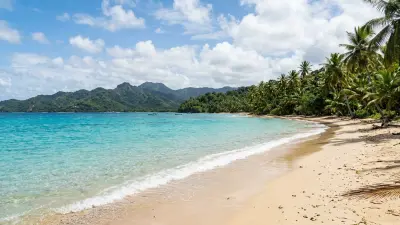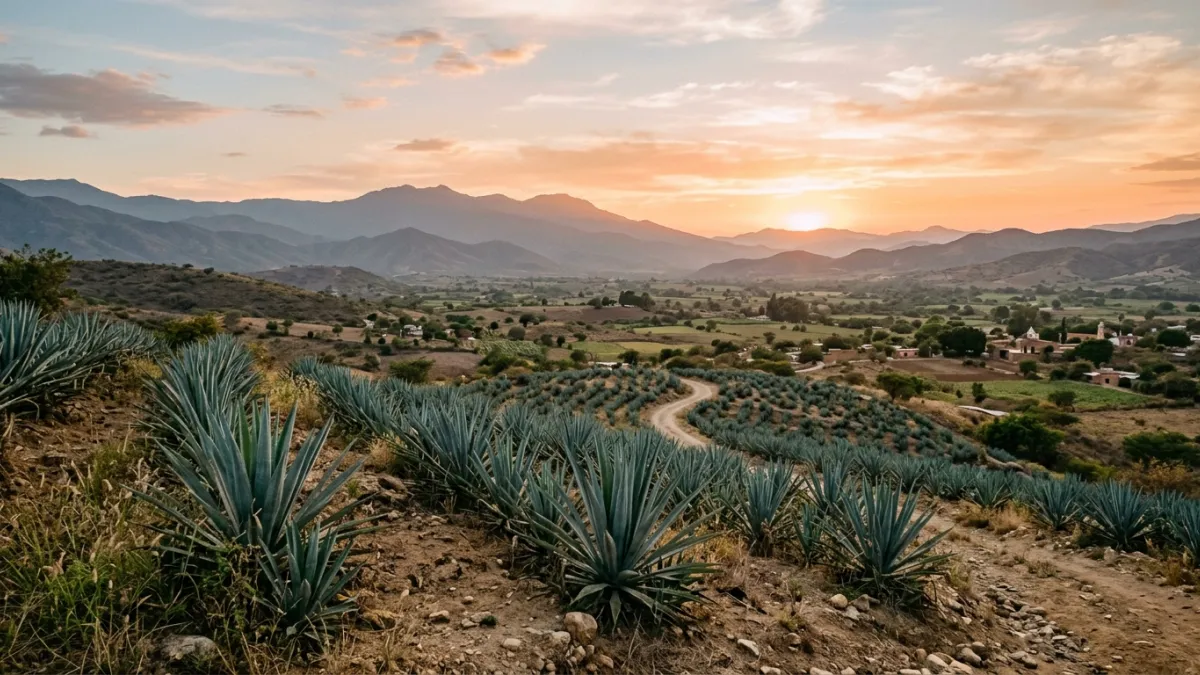
Choose the Yucatan Peninsula if you prioritize flat turquoise Caribbean beaches, swimming in freshwater cenotes, and exploring ancient Mayan ruins with easy logistics. Choose Oaxaca if you crave world-famous gastronomy, vibrant indigenous markets, craft mezcal tastings, and rugged Pacific surf spots. While Yucatan caters heavily to beach lovers and history enthusiasts with higher peak costs, Oaxaca delivers deeper cultural immersion, rich mountain traditions, and significantly lower daily expenses.
Understanding the Core Differences
Before booking your flights, it helps to understand how these two regions operate. Yucatan relies on a flat limestone geology dotted with sinkholes and coastal resort infrastructure. Oaxaca sits elevated in a southern valley surrounded by the Sierra Madre mountain ranges, sweeping down to a wild, unpolished Pacific coastline.
To help you navigate this decision, here are three essential travel concepts to keep in mind:
- Shoulder Season: The transitional months between the rainy and dry periods (specifically May and November in Mexico) when weather remains favorable, tourist crowds thin out, and accommodation rates drop by 20% to 30%.
- Slow Travel: An intentional travel pace focused on spending more time in fewer places, allowing you to connect with local communities, patronize family-run eateries, and lower your carbon footprint.
- Overlanding: Traveling long distances across land via buses, camper vans, or rental cars rather than taking short domestic flights.
At a Glance: Yucatan vs Oaxaca Comparison
| Feature | Yucatan Peninsula | Oaxaca State |
|---|---|---|
| Primary Appeal | Turquoise beaches, Maya ruins, cenotes | Food markets, Indigenous arts, Mezcal, Pacific surf |
| Coastline Vibe | Calm Caribbean waters, soft white sand | Crashing Pacific waves, volcanic sand, surf towns |
| Backpacker Daily Budget | $45 – $70 USD | $35 – $55 USD |
| Mid-Range Daily Budget | $110 – $200 USD | $80 – $140 USD |
| Best Transportation | ADO first-class buses, rental cars | Colectivos, regional buses, mountain shuttles |
| Best Months to Visit | November to April (Dry, low humidity) | October to April (Dry, pleasant nights) |
1. Culture, History, and Vibe
Yucatan: Ancient Mayan Footprints and Colonial Elegance
Yucatan's culture revolves around its rich Maya heritage. In towns like Valladolid and Merida, you will hear Maya spoken on the streets alongside Spanish. The region's historical highlights include world-famous archaeological sites like Chichén Itzá, Uxmal, and Ek Balam. Merida, the regional capital, offers serene colonial plazas, grand 19th-century mansions along Paseo de Montejo, and free evening cultural concerts almost every night.
Oaxaca: Indigenous Traditions and Artistic Soul
Oaxaca is widely considered the cultural heart of southern Mexico. Home to sixteen distinct ethnolinguistic groups—predominantly Zapotec and Mixtec—the state is celebrated for intricate handicraft traditions like Zapotec woven rugs in Teotitlán del Valle and black clay pottery in San Bartolo Coyotepec. Oaxaca City buzzes with street art, artisanal mezcal bars, and historic markets like Mercado 20 de Noviembre, where smoke fills the air from stalls grilling fresh tasajo (beef) and cecina (spiced pork).
2. Food and Cuisine
Yucatan Food Profile
Yucatecan food stands distinct from the rest of Mexico due to heavy Maya, Caribbean, and European influences. Signature dishes rely on sour orange, achiote paste, and habanero peppers. Look out for:
- Cochinita Pibil: Slow-roasted pork marinated in achiote and citrus, wrapped in banana leaves.
- Sopa de Lima: A comforting turkey broth infused with local sweet limes and crispy tortilla strips.
- Panuchos & Salbutes: Fried tortillas stuffed with black beans and topped with shredded turkey, pickled pink onions, and avocado.
Oaxaca Food Profile
Oaxaca is Mexico's undisputed culinary capital. The cuisine is complex, layered, and built on indigenous ingredients such as heirloom corn, wild herbs, chiles, and cacao. Essential eats include:
- The Seven Moles: Rich, complex sauces featuring dozens of roasted seeds, chiles, and chocolate, with Mole Negro and Mole Coloradito being the most famous.
- Tlayudas: Often called "Oaxacan pizza," these giant toasted tortillas are spread with seat lard, smashed black beans, quesillo (string cheese), shredded cabbage, and grilled meats.
- Tacos de Tasajo: Thinly sliced cured beef grilled over open coals, served with spicy salsa verde at local smoke aisles.
3. Beaches and Nature Activities
Yucatan's Cenotes and Caribbean Waters
If clear, warm water is your absolute priority, Yucatan wins. The Caribbean sea along Tulum, Isla Mujeres, and Bacalar Lagoon offers serene, turquoise conditions suitable for swimming, paddleboarding, and snorkeling. Additionally, Yucatan holds thousands of open-air and underground cenotes (freshwater sinkholes) filled with crystal-clear mineral water.
Oaxaca's Rugged Pacific Coast
The Oaxacan coast caters to adventurers, surfers, and travelers looking for a laid-back vibe. Towns like Puerto Escondido, Mazunte, and San Agustinillo offer dramatic cliffs, dark volcanic sand, and powerful surf breaks. While swimming requires more caution due to strong ocean swells, the coast remains unpretentious, scenic, and budget-friendly compared to Caribbean resorts.
4. Daily Budgets and Costs
Budgeting accurately ensures smooth travel across Mexico. While both destinations accommodate backpackers and luxury seekers alike, Yucatan generally costs 20% to 40% more than Oaxaca, especially along the Riviera Maya.
Sample Oaxaca Daily Expenses
- Budget Hostel/Dorm: $15 – $25 USD / night
- Family-run Guesthouse: $35 – $60 USD / night (e.g., small local guesthouses near Barrio Jalatlaco in Oaxaca City)
- Street Food / Market Meal: $3 – $6 USD per person
- Local Transport (Colectivo/City Bus): $0.50 – $1.50 USD per trip
Sample Yucatan Daily Expenses
- Budget Hostel/Dorm: $20 – $35 USD / night
- Colonial Guesthouse: $50 – $90 USD / night (e.g., family-run boutique stays near Santa Lucia Park in Merida)
- Mid-Range Restaurant Meal: $12 – $25 USD per person
- Cenote Entrance Fees: $5 – $20 USD depending on popularity
5. Transportation and Logistics
Getting around Yucatan is exceptionally straightforward. The first-class ADO bus network links Cancun Airport, Merida, Valladolid, Campeche, and Tulum with comfortable, air-conditioned coaches running strictly on schedule. Highways across the flat Yucatan plain are well-paved, making car rentals a popular choice for visiting remote cenotes.
Oaxaca requires slightly more patience. Traveling from Oaxaca City to the Pacific coast historically involved an 8-hour winding bus ride through mountain passes. The opened Barranca Larga-Ventanilla highway has significantly shortened driving time between Oaxaca City and Puerto Escondido down to roughly 2.5 to 3 hours by bus or shuttle, making dual-center trips far easier.
6. Off-the-Beaten-Path Hidden Gems
Yucatan Gem: Cenote X'canche
Located right next to the Ek Balam archaeological site (GPS: 20.8908° N, 88.1361° W), Cenote X'canche is a dramatic, semi-open cenote surrounded by hanging tree roots. Most day-tour buses bypass this spot after visiting Ek Balam, leaving it peaceful during early afternoon hours. Entry costs roughly 170 MXN ($10 USD).
Oaxaca Gem: Hierve el Agua Petrified Waterfalls
Situated about 70 kilometers east of Oaxaca City (GPS: 16.8659° N, 96.2758° W), these natural rock formations resemble cascading waterfalls formed by mineral-rich spring water over thousands of years. Arrive early at 8:00 AM via a local colectivo from Mitla to enjoy the hilltop natural infinity pools before tour vans arrive from the city.
7. Responsible Travel and Etiquette
- Cenote Conservation: Never wear conventional sunscreen, bug spray, or lotion when swimming in cenotes. Chemicals damage fragile aquatic ecosystems and cave formations. Shower at onsite facilities before entering.
- Supporting Artisans: When buying handmade textiles or ceramics in Oaxacan markets, avoid aggressive haggling. Artisans spend days or weeks creating hand-woven items; paying fair asking prices directly supports indigenous household economies.
- Water Safety: Do not drink tap water in either region. Carry a reusable water bottle equipped with an integrated purification filter to eliminate single-use plastic waste.
Frequently Asked Questions
Is Yucatan or Oaxaca safer for solo travelers?
Both regions are considered among the safest areas in Mexico for solo travelers. Yucatan, particularly Merida, consistently ranks as one of the safest municipal areas in North America. Standard street awareness and avoid walking alone on unlit beaches late at night applies to both regions.
Can I combine Yucatan and Oaxaca in a 10-day trip?
While technically possible via direct domestic flights between Cancun (CUN) or Merida (MID) and Oaxaca City (OAX), it is generally recommended to stick to one region for a 10-day trip. Splitting 10 days forces rapid travel and minimizes time spent immersing in local food and culture.
Which destination is better for digital nomads?
Yucatan offers faster internet infrastructure, especially in places like Merida and Playa del Carmen. However, Oaxaca City boasts a thriving nomad community with excellent cafes, co-working spaces, and a lower overall cost of living.