
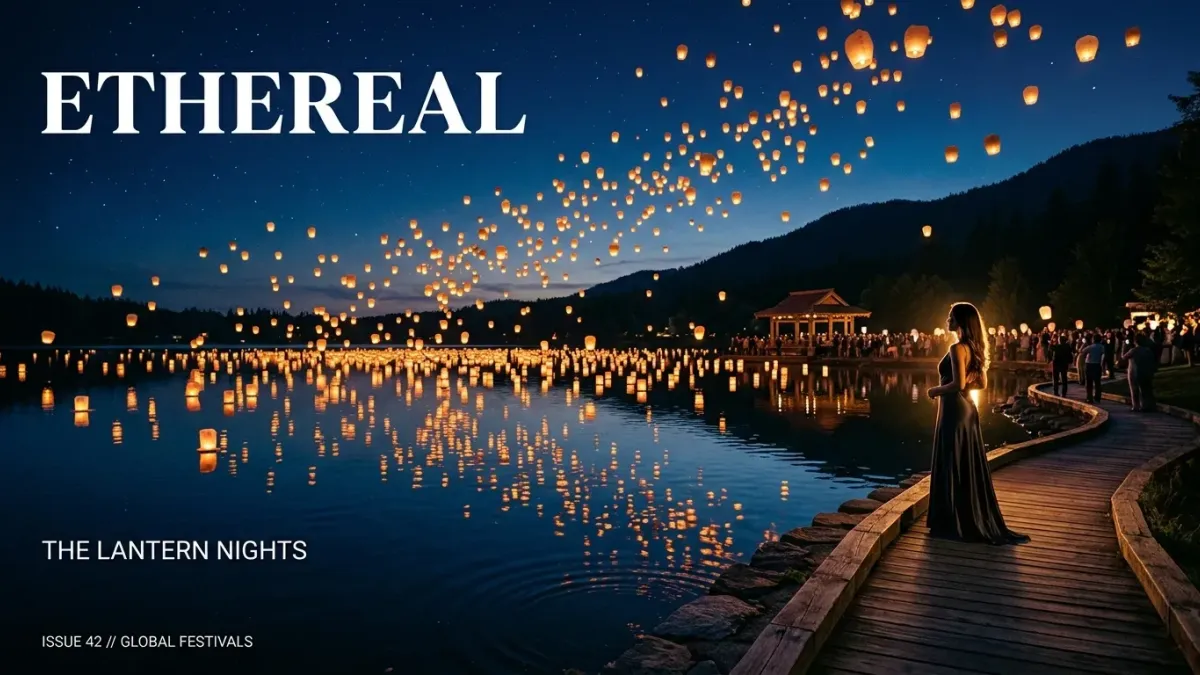
Introduction to Global Festivals and Events
Imagine yourself in the midst of a colorful festival, surrounded by people from all corners of the globe, united by music, food, or cultural heritage. What would you do? Would you join in the dancing, try the local cuisine, or explore the surrounding area to discover hidden gems? The beauty of attending global festivals and events lies in their ability to bring people together, foster cross-cultural understanding, and provide a platform for self-expression and creativity.
As a seasoned traveler, you know that attending festivals and events is an essential part of any travel experience. It allows you to connect with the local community, learn about their customs and traditions, and gain a deeper understanding of the destination's culture and history. With over 10,000 festivals and events taking place around the world every year, you're spoiled for choice. But how do you decide which ones to attend, and how do you make the most of your experience?
According to a recent survey, 75% of travelers consider attending festivals and events to be an important part of their travel plans. And it's not just about the entertainment value – festivals and events can also have a significant impact on local economies, with some events generating millions of dollars in revenue each year. So, whether you're a music lover, a foodie, or a culture vulture, there's a festival or event out there for you.
Types of Festivals and Events
From music and arts festivals to cultural and spiritual celebrations, the types of festivals and events are as diverse as the people who attend them. Some of the most popular types of festivals include music festivals, such as Coachella and Tomorrowland, which attract thousands of music lovers from around the world. Cultural and spiritual festivals, such as Holi and Dia de los Muertos, offer a unique opportunity to experience the traditions and customs of a destination.
Food and drink festivals, such as Taste of Chicago and Oktoberfest, are a foodie's paradise, offering a chance to sample local cuisine, drinks, and delicacies. And then there are the unique and quirky festivals, such as the Up Helly Aa festival in Scotland, which celebrates the end of the Yule season with torchlight processions and Viking-themed festivities.
So, what's your festival style? Are you a thrill-seeker, always on the lookout for the next big adventure? Or are you a cultural enthusiast, eager to learn about the customs and traditions of a destination? Whatever your style, there's a festival or event out there for you.
Music and Arts Festivals
Music and arts festivals are a great way to experience the energy and excitement of a destination. From Coachella in California to Tomorrowland in Belgium, these events attract thousands of music lovers from around the world. And it's not just about the music – many festivals also feature art installations, fashion shows, and other creative expressions.
Some other notable music festivals include Glastonbury in the UK, Ultra Music Festival in Miami, and Sziget Festival in Hungary. These events often feature a diverse lineup of artists, from rock and pop to electronic and hip-hop. And with many festivals offering camping options, you can immerse yourself in the festival experience and enjoy the music, art, and culture to the fullest.
But music and arts festivals aren't just about the entertainment value – they can also have a significant impact on local economies. According to a recent study, music festivals can generate up to $100 million in revenue each year, creating jobs and stimulating local economic growth. So, whether you're a music lover or just looking for a unique travel experience, music and arts festivals are definitely worth considering.
Planning Your Festival Experience
So, you've decided to attend a music or arts festival – but how do you make the most of your experience? First, it's essential to plan ahead, booking your tickets and accommodation in advance to avoid sold-out crowds and high prices. You should also research the local area, looking for tips on the best food, drink, and transportation options.
Once you're at the festival, be sure to take advantage of the many amenities and activities on offer. From food and drink vendors to art installations and workshops, there's always something to see, do, or experience. And don't forget to stay safe and healthy, taking regular breaks to rest and recharge.
According to a recent survey, 60% of festival-goers consider the atmosphere and vibe of a festival to be the most important factor in their overall experience. So, be sure to take the time to soak up the atmosphere, meet new people, and enjoy the music, art, and culture on offer.
Cultural and Spiritual Festivals
Cultural and spiritual festivals offer a unique opportunity to experience the traditions and customs of a destination. From Holi in India to Dia de los Muertos in Mexico, these events are a chance to learn about the local culture and history, and to connect with the community in a meaningful way.
Some other notable cultural and spiritual festivals include Loi Krathong in Thailand, Carnival in Brazil, and Nowruz in Iran. These events often feature traditional music, dance, and food, and provide a fascinating insight into the local culture and history. And with many festivals taking place in stunning natural locations, you can also enjoy the beautiful scenery and landscapes on offer.
But cultural and spiritual festivals aren't just about the entertainment value – they can also have a profound impact on your personal growth and development. By immersing yourself in a new culture and learning about the customs and traditions of a destination, you can gain a new perspective on life and develop a deeper understanding of the world around you.
Respecting Local Customs and Traditions
When attending cultural and spiritual festivals, it's essential to respect the local customs and traditions. This means dressing appropriately, behaving in a respectful manner, and avoiding any actions that could be considered offensive or insensitive.
According to a recent study, 80% of travelers consider cultural sensitivity to be an important factor in their travel plans. So, be sure to research the local culture and customs before attending a festival, and take the time to learn about the history and significance of the event.
By respecting local customs and traditions, you can help to promote cross-cultural understanding and foster a positive and respectful relationship between travelers and local communities. And who knows – you may even learn something new and valuable about the world and its many cultures.
Food and Drink Festivals
Food and drink festivals are a foodie's paradise, offering a chance to sample local cuisine, drinks, and delicacies. From Taste of Chicago to Oktoberfest in Germany, these events showcase the best of the local food scene and provide a unique opportunity to indulge in new flavors and dishes.
Some other notable food and drink festivals include Food Network & Cooking Channel South Beach Wine & Food Festival in Miami, Maine Lobster Festival in the US, and Salon du Chocolat in Paris. These events often feature cooking demonstrations, wine tastings, and live music, making for a fun and memorable experience.
But food and drink festivals aren't just about the food – they can also have a significant impact on local economies. According to a recent study, food festivals can generate up to $50 million in revenue each year, creating jobs and stimulating local economic growth.
Planning Your Food and Drink Festival Experience
So, you've decided to attend a food and drink festival – but how do you make the most of your experience? First, it's essential to come hungry and thirsty, and to be prepared to try new things. Don't be afraid to ask the vendors about the ingredients, cooking methods, and inspiration behind their dishes.
Once you're at the festival, be sure to take advantage of the many amenities and activities on offer. From cooking demonstrations to wine tastings, there's always something to see, do, or experience. And don't forget to stay safe and healthy, taking regular breaks to rest and recharge.
According to a recent survey, 70% of festival-goers consider the food and drink to be the most important factor in their overall experience. So, be sure to take the time to sample the local cuisine, and to enjoy the many delicious flavors and dishes on offer.
Conclusion and Inspiration
So, you've learned about the many festivals and events that take place around the world – but how do you start planning your next cultural adventure? First, it's essential to research the different types of festivals and events, and to consider your interests and preferences.
Once you've decided on a festival or event, be sure to plan ahead, booking your tickets and accommodation in advance to avoid sold-out crowds and high prices. You should also research the local area, looking for tips on the best food, drink, and transportation options.
And most importantly, be sure to stay open-minded, flexible, and respectful of the local customs and traditions. By doing so, you can help to promote cross-cultural understanding and foster a positive and respectful relationship between travelers and local communities. So, what are you waiting for? Start planning your next festival adventure today, and get ready to experience the world in all its vibrant colors, sounds, and flavors.