
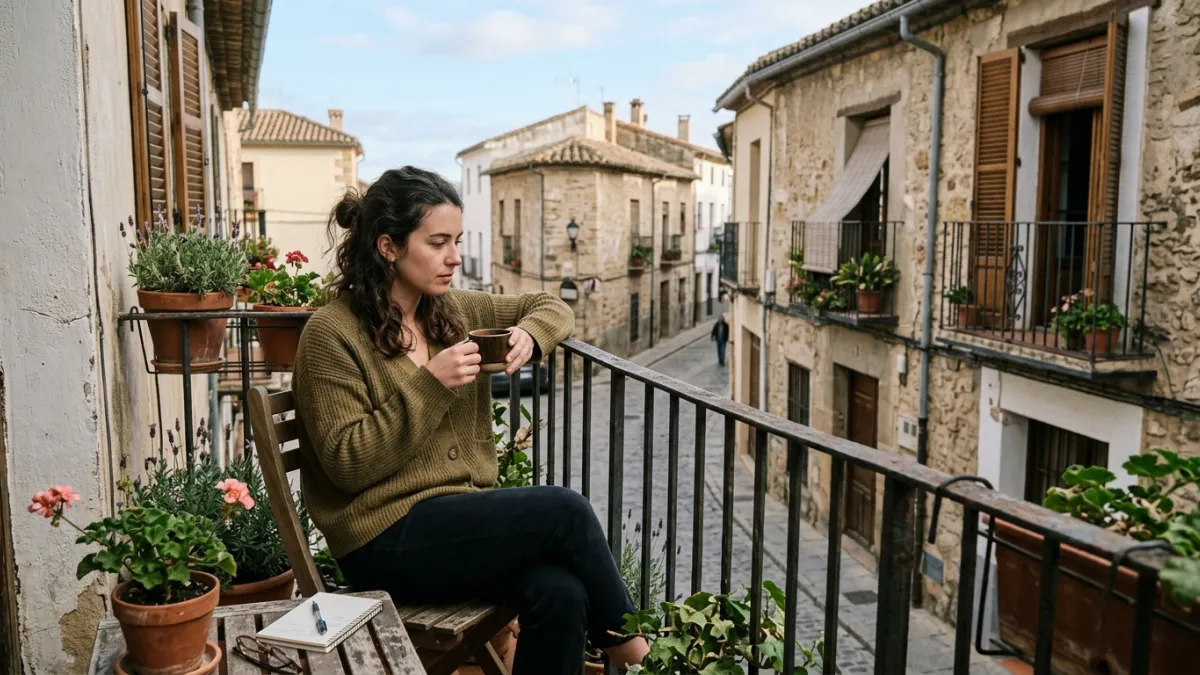
Quick answer: Transitioning from country-hopping to staying put cuts transport costs by roughly 30% to 40% while unlocking discounted long-term rentals and deeper local insights. By anchoring in a single neighborhood for a month or longer, travelers replace surface-level tourism with genuine cultural connection, lower stress, and a sustainable daily rhythm.
The Hidden Costs and Fatigue of Whirlwind Travel
When you rush from city to city, your travel budget drains at a staggering rate. Transportation is always the single largest variable expense in any travel itinerary. Bus tickets, last-minute train rides, rideshare apps to distant airports, and inter-city flight fees quickly accumulate to exceed the cost of daily food and housing combined. During a three-week trip through Southeast Asia early in my travel journey, I spent over $900 on domestic flights and ferry transfers alone—money that could have easily funded an extra six weeks of simple living in a coastal village.
The physical and mental toll of fast travel is equally expensive. Constantly packing up gear, navigating unfamiliar transit systems in foreign languages, and checking in and out of different accommodations creates chronic decision fatigue. When every single day requires deciding where to eat every meal, where to sleep next, and how to get there, travel stops feeling like an enriching experience and starts feeling like an unpaid logistics job. You spend more time reviewing transport schedules than experiencing local culture.
Furthermore, fast travel creates an illusion of depth while delivering only surface-level impressions. Spending two nights in a major destination allows you to see famous landmarks, but it rarely lets you understand how local life actually functions. You visit the heavily marketed tourist zones, eat at overpriced restaurants clustered near major sights, and interact primarily with hospitality workers rather than everyday locals. Staying put strips away that consumerist surface and opens up real connection.
How Staying Put Financials Work: A Realistic Budget Breakdown
The math behind slow travel is undeniably compelling. Monthly accommodation rentals on platforms like Airbnb or through direct local agreements routinely offer discounts ranging from 30% to 50% compared to night-by-night rates. Additionally, having a functional kitchen allows you to prepare simple breakfasts and local produce from neighborhood markets, cutting daily food costs nearly in half compared to eating every meal at tourist-oriented cafes.
To highlight the stark financial differences between country-hopping and staying put, consider this real-world operational comparison based on living in popular global slow-travel hubs like Chiang Mai (Thailand), Oaxaca (Mexico), and Tbilisi (Georgia) versus multi-city hopping.
| Travel Style | Monthly Accommodation | Transport Expenses | Food & Living Expenses | Estimated Total Monthly Cost |
|---|---|---|---|---|
| Fast Travel (4-5 Cities/Month) | $1,200 - $1,800 (Nightly rates) | $600 - $1,000 (Flights/Trains) | $800 - $1,200 (Dining out) | $2,600 - $4,000 USD |
| Slow Travel (1 Base/Month - Chiang Mai) | $300 - $550 (Monthly studio apartment) | $80 - $150 (Local scooter/Grab) | $300 - $450 (Markets & street food) | $680 - $1,150 USD |
| Slow Travel (1 Base/Month - Oaxaca) | $500 - $850 (Furnished flat) | $60 - $120 (Local buses/colectivos) | $350 - $500 (Local mercados) | $910 - $1,470 USD |
Beyond baseline savings on housing and transit, staying put drastically reduces unexpected hidden costs. You no longer pay emergency luggage storage fees, transaction costs on frequent currency exchanges, or inflated tourist prices caused by making last-minute bookings. Moving slower gives you the time to ask locals for fair pricing, learn standard transport rates, and discover where working residents shop, eat, and relax.
Cultivating Local Routines and Uncovering Hidden Gems
The greatest reward of slow travel is not the financial savings—it is the shift in perspective that happens around day seven in a new neighborhood. When you stop treating a city like an amusement park full of attractions to tick off, you start building a meaningful temporary life. You find a favorite bakery where the owner remembers your morning coffee order, locate the quietest bench in the local park, and discover which day of the week the neighborhood street market stocks the best seasonal produce.
Traveler's tip: Avoid booking your full stay online before arriving. Reserve a budget guesthouse for 3 nights in a safe neighborhood. Spend your first two days walking through the district, talking directly to guesthouse owners, and looking for local signboards ("se renta" or "for rent"). In hubs like Oaxaca or Split, inquiring in person routinely yields furnished apartments for half the price listed on major booking platforms.
Building a routine allows you to experience hidden gems that fast-moving tourists never have time to see. During a six-week stay in the hills near Chiang Mai, Thailand, I spent my weekdays working from local cafes and my weekends exploring rural temples that do not appear in conventional guidebooks. Rather than rushing on an organized day-tour bus to crowded attractions, I rented a small scooter for $6 a day and explored the road up to Samoeng, stopping at quiet roadside waterfalls and family-run coffee farms along the way.
Slow travel also allows for spontaneous, meaningful cultural exchanges. When you spend time in local parks or community spaces day after day, conversations naturally happen. You get invited to neighborhood festival preparations, cooking workshops in family homes, or language exchange meetups. These unscripted moments consistently become the most memorable parts of any journey.
Actionable Steps to Plan Your First Slow Travel Experience
Transitioning from whirlwind vacations to slow travel requires a shift in how you plan logistics, choose destinations, and organize your calendar. Here is a practical blueprint to help you transition into a slower, richer way of exploring the world:
- Choose the Right Base City: Look for walkable, mid-sized cities with strong public transit, safe neighborhoods, low crime statistics, and reliable internet infrastructure. Prime global choices include Oaxaca (Mexico), Split (Croatia), Chiang Mai (Thailand), and Tbilisi (Georgia).
- Select Shoulder Seasons: Schedule long stays during shoulder seasons (e.g., April-May or September-October in Europe; November-December in Southeast Asia). Temperatures are pleasant (typically 18°C–25°C / 64°F–77°F), rainfall is low, and accommodation rates drop significantly compared to peak summer.
- Check Visa and Stay Rules: Verify entry requirements carefully before committing to a base. Most Western passport holders receive 30 to 90 days visa-free or on arrival in top slow-travel hubs, giving you ample time to settle in without complicated paperwork.
- Implement the "50/50 Rule" for Itineraries: Leave at least half of your days completely unbudgeted and unscheduled. Use planned days for major regional outings, and keep remaining days open for neighborhood walks, resting, reading, or impromptu invitations.
- Embrace Local Public Transit: Skip private taxis and rideshare apps. Take the local city bus, metro, or shared minibuses (like Mexican colectivos or Georgian marshrutkas). It lowers your daily transit budget to $1–$3 while immersing you directly in local daily life.
Safety and practical preparation are just as important when staying put. Check official government travel advisories (such as the US Department of State or UK FCDO) before booking to ensure your chosen base has a stable Level 1 or Level 2 safety rating. Maintain comprehensive international health insurance that covers extended stays, and keep emergency contact details registered with your home embassy system.
For your first slow travel adventure, select a mid-sized, budget-friendly destination like Chiang Mai or Oaxaca during shoulder season, book temporary housing for the first three nights, and commit to staying put in that single region for at least three full weeks.
Frequently Asked Questions
Won't I get bored staying in one place for a full month?
Far from causing boredom, staying put gives you the freedom to explore regional day trips without rushing while developing a relaxing local routine. When you aren't spending hours on buses every few days, you actually have time to enjoy hobbies, cook, hike, and socialize with locals.
How do I manage slow travel if I only have two weeks of vacation?
You can apply slow travel principles to shorter trips by picking a single city or small province and using it as your sole base for the entire two weeks. Instead of hopping between three cities, take relaxed day trips into surrounding villages while keeping the same accommodation.
Is slow travel safe for solo travelers?
Slow travel is often significantly safer than fast travel for solo travelers. Staying in one neighborhood allows you to quickly learn which streets to avoid at night, build relationships with local shopkeepers, and establish a familiar daily routine that reduces your risk of petty crime or scams targeted at transient tourists.