



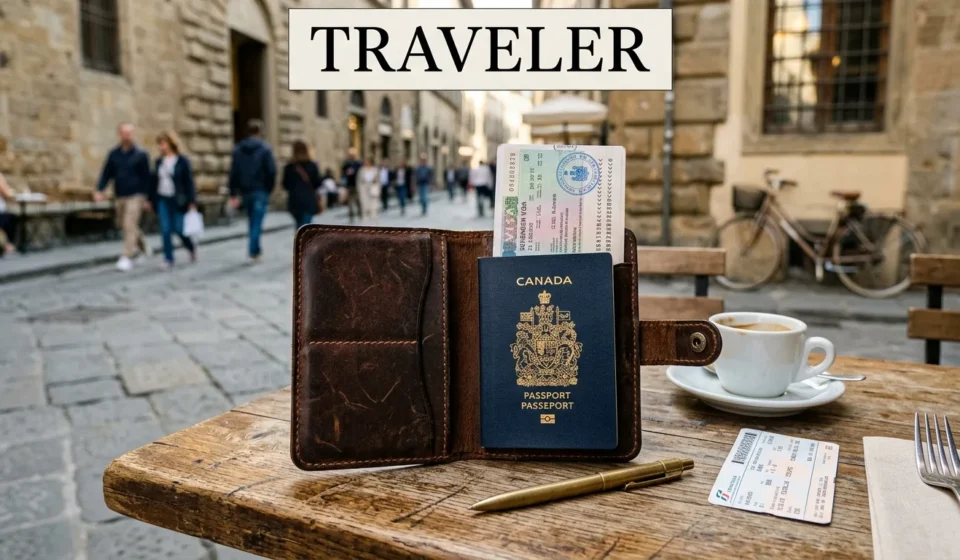

Dreaming of wandering through Parisian streets, hiking the Dolomites, or savoring pasta in Rome? Europe beckons with its incredible diversity, but for many non-EU citizens, the first step to unlocking these adventures is navigating the Schengen Visa. As a seasoned explorer who’s crisscrossed continents on local buses and secret trails, I know the visa process can feel daunting. But trust me, with the right information, it’s entirely manageable. This guide cuts through the confusion, offering actionable advice for securing your Schengen Visa for your 2025 European journey, including crucial updates like ETIAS.
Table Of Content
- What is the Schengen Area and the Schengen Visa?
- Who Needs a Schengen Visa?
- Your Step-by-Step Schengen Visa Application Process
- Crucial Rule: The 90/180-Day Stay Limit
- What’s New for 2025? ETIAS and EES Explained
- Pro Tips for a Smooth Application & Trip
- Budgeting for Your Schengen Adventure
- Sustainable Travel & Cultural Etiquette
What is the Schengen Area and the Schengen Visa?
First things first, let’s demystify some terms. The Schengen Area is a zone comprising 29 European countries that have abolished passport and all other types of border control at their mutual borders. Think of it as one massive country for travel purposes. Once you’re in, you can move freely between these nations without showing your passport every time – a true blessing for overland explorers!
A Schengen Visa is a short-stay visa (Type C) that allows non-EU citizens to travel to any member country of the Schengen Area for tourism, business, visiting family, or transit for up to 90 days within any 180-day period. It’s not for long-term stays or permanent residency, which require a different type of visa (Type D).
Who Needs a Schengen Visa?
Whether you need a Schengen Visa depends on your nationality. Generally, citizens of countries like the United States, Canada, Australia, and New Zealand are visa-exempt for short stays (though this is changing with ETIAS, which we’ll cover later). However, many other nationalities, including those from India, China, South Africa, and numerous other countries across Asia, Africa, and South America, do require a Schengen Visa to enter the zone. It’s crucial to check the official European Union website or your country’s Ministry of Foreign Affairs for the most up-to-date list of visa requirements based on your specific nationality.
Your Step-by-Step Schengen Visa Application Process
Applying for a Schengen Visa can seem like a bureaucratic maze, but breaking it down makes it simple. Start your application well in advance – ideally 3 to 6 months before your intended travel date, especially if you’re traveling during peak season.
- Determine Your Main Destination: Apply at the consulate or embassy of the Schengen country where you will spend the most time. If you’re spending equal time in multiple countries, apply at the consulate of the country you’ll enter first.
- Gather Required Documents: This is the most critical step. Accuracy and completeness are paramount.
- Valid Passport: Must be valid for at least three months beyond your planned departure from the Schengen Area and have at least two blank pages.
- Visa Application Form: Completed and signed.
- Passport-Sized Photos: Two recent photos meeting Schengen standards (usually 35x45mm, white background).
- Travel Medical Insurance: Must cover medical emergencies, hospitalization, and repatriation with a minimum coverage of €30,000. This is non-negotiable!
- Proof of Accommodation: Hotel bookings, hostel reservations, or an invitation letter from a host in the Schengen Area.
- Proof of Sufficient Funds: Bank statements (usually for the last 3-6 months), salary slips, or a sponsorship letter. The exact amount varies by country, but a safe estimate is around €50-70 per day of your stay.
- Round-Trip Flight Itinerary: Proof of onward or return travel. Do not purchase non-refundable tickets until your visa is approved.
- Detailed Itinerary: A day-by-day plan of your trip, including cities, attractions, and planned activities. This shows you have a clear purpose for your visit.
- Proof of Employment/Enrollment: Letter from your employer or university, or business registration if self-employed.
- Visa Fee: Typically around €80 for adults (subject to change).
- Book an Appointment: Most countries require you to book an appointment through their embassy/consulate or a third-party visa processing center like VFS Global.
- Attend Your Interview: Be punctual, well-prepared with all original and photocopied documents, and answer all questions honestly.
- Pay the Visa Fee: This is usually done at the time of your appointment.
- Wait for a Decision: Processing times vary but can take anywhere from 15 to 45 days.
Crucial Rule: The 90/180-Day Stay Limit
This is where many travelers get tripped up. The 90/180-day rule means you can stay in the Schengen Area for a maximum of 90 days within any 180-day period. This is a rolling period, not a fixed calendar year. Every day you spend in the Schengen Area counts towards this limit. Overstaying can lead to fines, deportation, and future entry bans, so track your days carefully!
What’s New for 2025? ETIAS and EES Explained
For those planning a trip in 2025, there are significant changes on the horizon that could impact your travel, even if you’re visa-exempt. These are the Entry/Exit System (EES) and the European Travel Information and Authorisation System (ETIAS).
- Entry/Exit System (EES): Expected to be fully operational before ETIAS, this system will register non-EU travelers each time they cross an external EU border. It will automatically record the date and place of entry and exit, making the 90/180-day rule easier to enforce. It aims to replace manual passport stamping.
- European Travel Information and Authorisation System (ETIAS): This is perhaps the biggest change for visa-exempt travelers. Expected to launch in mid-2025, ETIAS is not a visa, but an electronic travel authorization similar to the ESTA for the USA or eTA for Canada. If you are from a country that currently does NOT require a Schengen Visa (e.g., USA, Canada, UK, Australia), you will need to apply for an ETIAS authorization before your trip. It’s an online application, costs €7, and is valid for three years or until your passport expires. Crucially, ETIAS does NOT replace the Schengen Visa for those who already need one. It’s an additional requirement for visa-exempt nationalities.
Stay informed on the exact launch dates and specific requirements by checking official EU sources closer to your travel time.
Pro Tips for a Smooth Application & Trip
- Apply Early: As mentioned, don’t leave it to the last minute.
- Double-Check Everything: A single missing document can delay or derail your application. Create a checklist!
- Be Honest: Provide accurate information. Any discrepancies can lead to rejection.
- Show Strong Ties to Your Home Country: This reassures the visa officer that you intend to return home. Proof includes property deeds, family commitments, or a letter from your employer.
Budgeting for Your Schengen Adventure
Once your visa is secured, you can focus on the fun stuff! For a realistic daily budget in the Schengen Area:
- Accommodation: A hostel bed can be €30-50, while a mid-range guesthouse like a family-run spot in the hills above Chefchaouen (if we were in Morocco, but let’s say a local B&B in Portugal) might be €60-100/night.
- Food: Eating out can range from €15-20 for a casual lunch to €40-60+ for dinner. Save by visiting local markets (€10-15/day) and cooking some meals if your accommodation allows.
- Transportation: Local public transport is usually €2-5 per ride. Long-distance trains or buses can vary wildly (€20-100+ depending on distance and booking time). Consider a rail pass if you plan extensive train travel.
A realistic average daily budget for a comfortable, mid-range traveler could be around €80-150 per day, excluding major flights, depending heavily on the country and your travel style.
Sustainable Travel & Cultural Etiquette
As a Destination Wanderer, remember to travel responsibly. Respect local customs: dress modestly in religious sites, learn a few basic phrases in the local language (a simple “hello” and “thank you” go a long way), and always ask for permission before taking photos of people. Support local businesses, minimize your waste, and adhere to “Leave No Trace” principles, especially when exploring Europe’s stunning natural landscapes. Travel slow when you can, immersing yourself rather than rushing through a checklist.
Getting your Schengen Visa for 2025 doesn’t have to be a headache. With this guide, you’re now equipped with the knowledge to navigate the process confidently and focus on the incredible adventures that await you in Europe. Happy travels!