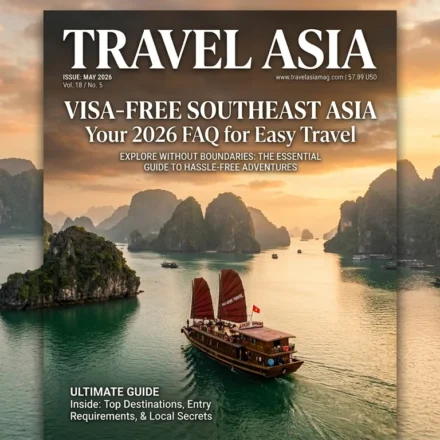





Navigating Visa-Free Travel in Southeast Asia: Your 2026 FAQ
Southeast Asia. The very name conjures images of ancient temples, bustling street food markets, and palm-fringed beaches. It’s a region that has captured my heart (and many of my passport pages) over the past fifteen years. One of the biggest draws? The relative ease of entry for many nationalities, often without needing to jump through visa hoops. But “visa-free” doesn’t always mean “no questions asked.”
Table Of Content
- Navigating Visa-Free Travel in Southeast Asia: Your 2026 FAQ
- Is Southeast Asia truly “visa-free” for most travelers?
- What’s the typical visa-free stay length I can expect?
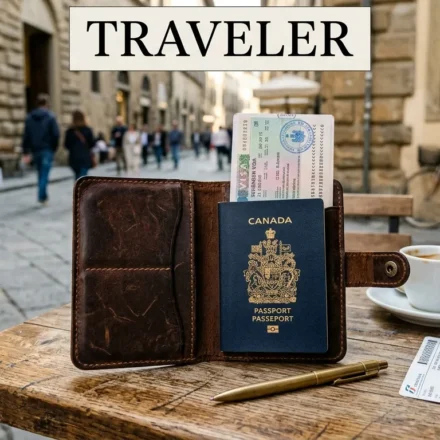
- What documents do I *always* need, even for visa-free entry?
- Any visa changes or potential disruptions expected for 2026?
- How can I extend my stay if I fall in love with a place?
- Practical Tips from the Road Less Traveled
I’ve spent countless hours navigating immigration queues, filling out forms with dodgy pens, and occasionally sweating through a “random” bag check. Trust me, a little preparation goes a long way. So, if you’re dreaming of a 2026 adventure to this incredible corner of the world, let’s clear up some common questions about visa-free travel.
Is Southeast Asia truly “visa-free” for most travelers?
For many, yes, it often is! But here’s the nuance: it heavily depends on your nationality and the specific country you’re visiting. Most nations within the ASEAN bloc (Association of Southeast Asian Nations) have agreements that allow citizens from other member states, and many Western countries, to enter for tourism purposes without a pre-arranged visa. This typically grants you a certain number of days, ranging from 14 to 90, depending on the country and your passport.
Think of it as a handshake agreement between nations. You show up, present your valid passport, and they grant you entry for a specified period. No paperwork or fees beforehand. It’s glorious, really, especially when you compare it to other regions of the world.
What’s the typical visa-free stay length I can expect?
This is where it gets country-specific, but there’s a general pattern. Many popular destinations offer:
- 30 days: This is a common sweet spot for countries like Thailand (for many nationalities), Indonesia, Malaysia, the Philippines, Singapore, and Vietnam (for certain countries, like the UK, France, Germany, Spain, Italy). For others, Vietnam often requires an e-Visa or visa on arrival.
- 14-21 days: Some countries, like Laos, might offer shorter visa-free stays for certain nationalities, or a visa on arrival option. Cambodia often has a visa on arrival or e-Visa system for around $30-40.
- 90 days: If you’re lucky enough to hold a passport from certain countries (e.g., many EU nations for Singapore, or the US for Malaysia), you might get a generous 90-day visa-free stamp.
Always, and I mean always, check the official government or embassy website for your specific nationality and destination well before your trip. Rules can change with little notice.
What documents do I *always* need, even for visa-free entry?
Even without needing a pre-arranged visa, you’ll need to have a few things in order when you arrive:
- A Valid Passport: This is non-negotiable. Most Southeast Asian countries require your passport to be valid for at least six months beyond your intended departure date. If it’s cutting it close, get a new one. I once saw a traveler denied boarding in Kuala Lumpur for this very reason, and it was a costly lesson.
- An Onward or Return Ticket: Immigration officials want to know you’re not planning to settle down permanently. Having a confirmed flight, bus, or train ticket out of the country within your permitted stay period is usually mandatory. Print it out or have it easily accessible on your phone.
- Sufficient Funds: While rarely asked, authorities can technically request proof that you have enough money to support yourself during your stay. A credit card and a small amount of local currency usually suffice.
- Completed Arrival/Departure Card: Many countries still use paper forms handed out on the plane. Always carry a pen – it saves you from scrambling at the immigration desk.
Any visa changes or potential disruptions expected for 2026?
Travel regulations are dynamic, to say the least. While no major, sweeping changes to visa-free policies across the entire region are solidified for 2026, there’s always talk. The idea of an “ASEAN Schengen-style visa” has been floated for years – a single visa that would allow seamless travel across all ten member states. While it’s a traveler’s dream, it’s a complex undertaking, and I wouldn’t bank on it being fully implemented by 2026. Individual countries might adjust their policies, so checking official embassy websites a few months before your departure is the gold standard.
How can I extend my stay if I fall in love with a place?
It happens. You arrive in a place like Chiang Mai or Hoi An, and suddenly your 30 days feels woefully short. You have a few options:
- Formal Extension: Many countries allow you to extend your visa-free stay by visiting a local immigration office. This typically involves paperwork, a fee (often around $40-50 USD), and a half-day of your time. The process is usually straightforward but can be a bit of a bureaucratic dance.
- Visa Run: This is a classic backpacker move. You simply leave the country (often to a neighboring one like Laos from Thailand, or Malaysia from Singapore) and re-enter, getting a fresh stamp. Be aware that some countries have limits on how many times you can do this consecutively. It’s a good excuse for a quick side trip, though!
Whatever you do, do not overstay your visa. The penalties can range from hefty fines to deportation and even being blacklisted from re-entering the country for years. It’s simply not worth the hassle.
Practical Tips from the Road Less Traveled
- Shoulder Season is Your Friend: Traveling during the shoulder season (the periods just before or after peak tourist times, like April-May or October-November for much of mainland Southeast Asia) often means fewer crowds, better prices, and pleasant weather – perfect for slower travel.
- Budget Realistically: For a comfortable mid-range budget traveler, expect to spend around $30-70 USD per day for accommodation, food, and local transport, depending heavily on the country. A cozy guesthouse in Pai, Thailand, might run you $20/night, while a decent hotel in Singapore could be $100+.
- Digital Copies: Keep digital copies of your passport, flight tickets, and any visa confirmations in a cloud service and on your phone. If your physical documents go missing, these are invaluable.
- Embrace Slow Travel: Visa-free stays are often 30 days. Don’t try to cram five countries into that time. Pick one or two, and truly experience them. That’s the essence of slow travel – connecting with the local culture, like learning a few phrases of Thai or perfecting your noodle slurping technique in Hanoi.
- Local Quirks: Always remove your shoes before entering temples or someone’s home. Use your right hand for greetings and handling money. And a little smile (the “Thai smile” is famous for a reason) goes a very long way in diffusing any minor friction.
So, there you have it. Visa-free travel to Southeast Asia in 2026 is absolutely within reach, and it’s set to be as rewarding as ever. A little homework on your specific passport and chosen destinations, coupled with these practical tips, will ensure your journey is smooth sailing. What hidden gem will you uncover on your next adventure, and how long will you linger?