





Navigating Southeast Asia: Your Guide to Buses, Trains, and Ferries
Ah, Southeast Asia. The very name conjures up images of ancient temples, bustling markets, and turquoise waters. But once you’ve landed, the real adventure begins: getting around. Forget polished tour buses or high-speed rail networks on every corner. Here, the journey is often as much a part of the experience as the destination itself. For over fifteen years, I’ve bounced across this incredible region, and let me tell you, mastering its local transport is key to unlocking its true magic. It’s where you meet locals, stumble upon roadside eateries, and witness everyday life unfold outside your window. Ready to dive in?
Table Of Content
Buses: The Backbone of the Backpacking Route
Buses are your most widespread and often most affordable option for covering ground in Southeast Asia. From cramped local mini-vans to surprisingly plush VIP coaches, there’s a bus for every journey.
- The Lowdown: You’ll find everything from basic local buses (think open windows, chickens, and frequent stops) to sleeper buses (often double-decker, with bunk beds for overnight journeys) and VIP buses (air-conditioned, sometimes with reclining seats and a snack). Don’t expect “VIP” to mean luxury; often, it just means fewer stops and a slightly newer vehicle. I once took a “VIP” bus in Vietnam that had a karaoke machine blaring until 2 AM. Embrace it.
- Cost: Expect to pay anywhere from $5-15 USD for a few hours’ journey, up to $20-40 USD for an overnight sleeper bus between major cities like from Chiang Mai to Luang Prabang (a classic route that often involves a border crossing).
- Booking: You can book through your guesthouse, local travel agencies, or directly at the bus station. Online platforms like 12Go.Asia are increasingly popular for convenience, especially for longer routes or during peak season (typically November to February, when dry weather attracts more tourists).
- Insider Tips:
- Always carry a jacket or sarong; bus AC can be brutal.Pack snacks and water. Stops are rare or short.
- Keep valuables on you, not in the overhead rack or under the bus.
- Expect delays. Timetables are more of a suggestion than a rule.
Trains: A More Scenic (and Sometimes Slower) Pace
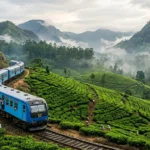
While not as extensive as the bus network, trains offer a wonderfully charming way to see countries like Thailand, Vietnam, and Malaysia. It’s a chance to truly engage in slow travel, appreciating the landscape as it unfolds.
- The Lowdown: Thailand boasts a decent network, including the popular overnight sleeper trains from Bangkok to Chiang Mai, where staff prepare your bed with fresh sheets right in front of you. Vietnam’s Reunification Express (Hanoi to Ho Chi Minh City) is an epic journey, offering various classes from hard seat to soft sleeper. Malaysia has modern lines connecting cities like Kuala Lumpur to Butterworth (for Penang).
- Cost: A 2nd class sleeper from Bangkok to Chiang Mai might run $30-50 USD. A segment of the Reunification Express could be $20-60 USD depending on distance and class.
- Booking: For popular routes, especially sleepers, book a few days in advance, either at the station or via reputable online agents. For example, booking the Thai sleeper train directly at Hualamphong Station in Bangkok usually yields the best price.
- Insider Tips:
- Opt for a lower bunk on sleeper trains if you can; they’re generally wider and offer a better view.
- Bring earplugs and an eye mask.
- Don’t underestimate the dining car experience – it’s often basic but a great place to mingle.
Ferries & Boats: Island Hopping Essentials
If you’re dreaming of pristine beaches and secret coves, boats and ferries will be your best friends. They’re essential for exploring the thousands of islands scattered across the region.
- The Lowdown: From Thai longtail boats to fast ferries in the Philippines and slow boats on the Mekong River, there’s a huge variety. The slow boat from Huay Xai to Luang Prabang in Laos is a two-day journey that’s practically a rite of passage for backpackers, offering a unique glimpse into rural riverside life.
- Cost: Short ferry rides (e.g., between Thai islands) can be $10-25 USD. Longer journeys like the Mekong slow boat might be $40-60 USD.
- Booking: Often best booked in person at ports, local tour operators, or via your accommodation. For popular routes, booking a day or two ahead is wise, especially during shoulder season (April-May & Sept-Oct), when schedules might be less frequent.
- Insider Tips:
- Always keep your passport and valuables in a waterproof bag.
- Don’t be afraid to haggle slightly for local longtail boats, but respect fair prices.
- Some smaller islands might require you to wade from the longtail boat to shore; pack light and wear sandals.
- Safety standards can vary. Always check for life jackets and don’t board overcrowded vessels.
General Wisdom for Any Journey
Regardless of your chosen mode of transport, a few universal truths apply across Southeast Asia:
- Flexibility is Your Friend: Delays happen. Road conditions change. Boats break down. It’s all part of the adventure. A laid-back attitude will serve you well.
- Stay Hydrated & Fed: Always have water and snacks. You never know when the next stop will be, or if the food vendors on board will match your dietary needs.
- Guard Your Valuables: Keep your passport, cash, and phone in a secure, accessible place on your person. A small daypack with essentials is far better than digging through your main luggage.
- Embrace the Local Rhythm: Sometimes the most memorable journeys are on the rickety local bus with music blaring, rather than the air-conditioned tourist shuttle. It’s where you truly feel the pulse of the place.
- Sustainability Matters: Try to minimize plastic waste. Bring a reusable water bottle and refill it. Support local vendors who are trying to reduce their environmental footprint.
Getting around Southeast Asia isn’t always glamorous, but it is always an experience. It’s a chance to slow down, observe, and connect. You’ll encounter sights, sounds, and smells that will become indelible memories. What unlikely adventure will you stumble into on your next journey?